
Why Transition Planning Should Start Two Years Out
Transitions feel chaotic when preparation is rushed

Disclosure:
This article is for educational purposes only and is not financial advice. Always do your own research or speak with a licensed advisor before making investment decisions.
Why Waiting Until the Final Year Creates Unnecessary Pressure
Most transition tasks take longer than soldiers expect. Education decisions, certifications, medical appointments, and job searches all move slower than advertised. When everything is compressed into the final year, timelines collide. Collisions create urgency. Urgency removes flexibility. Flexibility is what protects good decisions.
Financial preparation is often postponed too long. Savings goals, debt reduction, and housing planning require time. Time allows margin to build. Without margin, choices shrink quickly. Shrinking choices increase stress. Stress leads to reactive decisions that cost money.
Career clarity rarely forms instantly. Many soldiers need time to explore civilian roles. Exploration leads to alignment. Alignment improves outcomes. When exploration is rushed, mismatches happen. Mismatches delay stability after ETS.
Medical and benefits timelines are easy to underestimate. Appointments, documentation, and claims do not move quickly. Delays compound when started late. Late starts reduce options. Reduced options increase risk during transition.
How Starting Two Years Out Restores Control
Early planning spreads effort instead of stacking it. Smaller steps over time feel manageable. Manageable effort reduces burnout. Reduced burnout improves follow-through. Follow-through drives results.
This approach mirrors the discipline behind the 56K Plan. Early consistency creates leverage later. Leverage reduces stress during major shifts. Reduced stress supports clarity. Clarity improves execution.
Financial buffers grow more naturally with time. Two years allows steady saving instead of aggressive scrambling. Steady progress feels sustainable. Sustainability protects habits. Habits matter during uncertainty.
Career positioning improves with lead time. Networking, skill translation, and education align better when rushed decisions are avoided. Alignment improves confidence. Confidence improves negotiation outcomes.
Why Early Planning Protects Long-Term Freedom
Smooth transitions protect the $3 Million Timeline. Interruptions early in civilian life can stall compounding. Planning minimizes interruptions. Minimizing interruptions preserves momentum.
Savings stay intact when decisions are calm. Calm decisions avoid unnecessary debt. Debt avoidance preserves future margin. Margin fuels investing consistency.
Confidence replaces anxiety during transition. Confidence improves adaptability. Adaptability matters when plans change. Changed plans are easier to manage with preparation.
Freedom grows when transitions are proactive. Proactive planning builds options. Options reduce pressure. Reduced pressure improves long-term outcomes.
Simple ways to begin transition planning early
Map a rough two-year transition timeline. Visibility reduces uncertainty.
Begin saving specifically for transition expenses. Purpose protects funds.
Explore civilian roles and education options early. Exploration clarifies direction.
Schedule medical and benefits reviews ahead of deadlines. Time restores control.
Final Word
Transition does not have to feel rushed or overwhelming. Soldiers who start planning two years out gain time, flexibility, and control. That extra time allows better financial preparation, clearer career alignment, and calmer decision-making. Calm decisions preserve momentum when it matters most. When transitions are planned early, freedom becomes easier to protect while you serve and after you move on.
Recommended Tools for Soldiers
🪙 High-Yield Savings Hub – Build transition buffers without locking up cash.
🏦 Banks Hub – Organize accounts for smoother income and benefit changes.
More to explore:
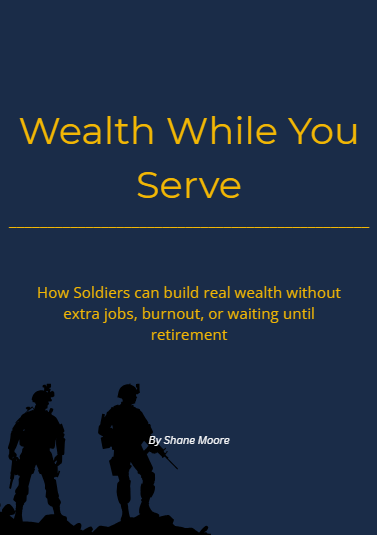
Ready to Start Building Wealth While You Serve?
Grab the free guide built for service members who want more than just survival mode. Whether you're in the barracks or deployed overseas, this is your first step toward real freedom.
Helping Soldiers Build Real Wealth While They Serve
We share practical tools, smart financial strategies, and military-friendly resources. Our goal is to help you stop just surviving and start building real freedom.

The information provided by Wealth While You Serve is for educational purposes only and does not constitute financial, legal, or tax advice. Always consult a qualified advisor before making financial decisions. Some links on this site are affiliate links, which means we may earn a small commission at no extra cost to you. This helps us continue offering free resources for military members and their families.
Created with ©systeme.io