
The Smart Way to Handle Insurance Costs Post-Army
Insurance feels invisible in uniform. After transition, it gets loud fast.

Disclosure:
This article is for educational purposes only and is not financial advice. Always do your own research or speak with a licensed advisor before making investment decisions.
Why Insurance Costs Surprise Soldiers After Transition
Military healthcare hides the true cost of coverage. TRICARE removes most out-of-pocket pain, so insurance fades into the background. That convenience makes it easy to forget what coverage actually costs. When soldiers transition, premiums and deductibles appear all at once. The sudden visibility feels overwhelming. Overwhelm often leads to rushed choices. Rushed choices are rarely optimal.
Civilian plans shift more responsibility onto the individual. Employers may subsidize premiums, but rarely to the same degree. Deductibles and co-insurance become real considerations. Those costs affect monthly cash flow. Cash flow pressure changes spending behavior. Behavior shifts can destabilize budgets early.
Coverage gaps are easy to overlook. Dental, vision, disability, and supplemental coverage are often separate. Soldiers may assume these are included automatically. Assumptions break budgets. Broken budgets increase stress during transition.
Timing mistakes amplify costs. Missing enrollment windows limits options. Limited options usually cost more. Higher costs reduce margin. Reduced margin affects investing consistency.
How Planning Insurance Early Restores Control
Understanding coverage needs before ETS reduces panic. Planning replaces urgency with structure. Structure improves decision quality. Better decisions preserve cash flow. Preserved cash flow supports stability.
This approach reflects the same discipline behind the 56K Plan. Anticipating future expenses protects margin. Margin creates flexibility. Flexibility lowers stress. Lower stress supports consistency.
Comparing plans based on total cost, not just premiums, changes outcomes. Premiums are only part of the picture. Deductibles, out-of-pocket maximums, and coverage limits matter. Seeing the full picture prevents surprises. Fewer surprises protect savings.
Insurance decisions should align with income reality. Over-insuring drains resources. Under-insuring creates risk. Balanced coverage protects both cash and peace of mind. Balance is the goal.
Why Insurance Planning Supports Long-Term Freedom
Unexpected medical costs can derail the $3 Million Timeline. One major expense can interrupt investing for years. Planning reduces that risk. Reduced risk protects compounding.
Stable coverage supports consistent decision-making. Financial stress erodes discipline. Discipline matters most during transition. Insurance stability reduces background stress.
Proper coverage protects earning power. Disability and health insurance preserve income capacity. Income capacity fuels investing. Investing fuels long-term freedom.
Freedom grows when risks are managed intentionally. Managed risk reduces volatility. Lower volatility improves confidence. Confidence supports long-term consistency.
Simple ways to manage insurance costs after service
Review health, dental, and disability needs separately. Each serves a different purpose.
Compare plans using worst-case cost scenarios. Planning beats optimism.
Avoid lapses in coverage during transition. Gaps create expensive problems.
Reevaluate coverage annually as income changes. Insurance should evolve with life.
Final Word
Insurance rarely feels urgent until it suddenly is. Soldiers who plan coverage early avoid panic, protect savings, and reduce transition stress. The goal is not to eliminate cost, but to control it. Controlled costs preserve momentum and protect long-term plans. When insurance is handled intentionally, it becomes a stabilizer instead of a threat. That stability supports real freedom after the uniform comes off.
Recommended Tools for Soldiers
🛡️ Insurance Hub – Compare coverage options and understand real protection costs.
📈 Investing Hub – Keep long-term investing on track once expenses stabilize.
More to explore:
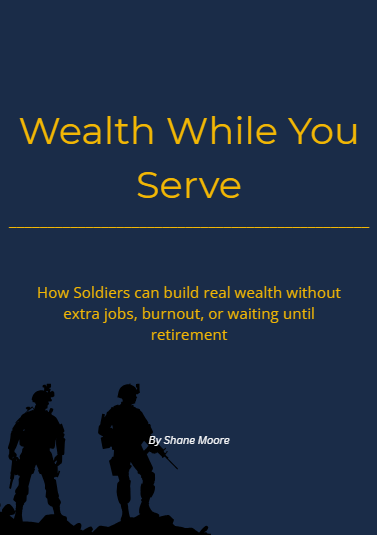
Ready to Start Building Wealth While You Serve?
Grab the free guide built for service members who want more than just survival mode. Whether you're in the barracks or deployed overseas, this is your first step toward real freedom.
Helping Soldiers Build Real Wealth While They Serve
We share practical tools, smart financial strategies, and military-friendly resources. Our goal is to help you stop just surviving and start building real freedom.

The information provided by Wealth While You Serve is for educational purposes only and does not constitute financial, legal, or tax advice. Always consult a qualified advisor before making financial decisions. Some links on this site are affiliate links, which means we may earn a small commission at no extra cost to you. This helps us continue offering free resources for military members and their families.
Created with ©systeme.io