
The Smart Way to Handle a Pay Gap After Transition
A pay gap is one of the most common and stressful parts of leaving the Army, but with structure and preparation, you can navigate it confidently.

Disclosure:
This article is for educational purposes only and is not financial advice. Always do your own research or speak with a licensed advisor before making investment decisions.
Why Pay Gaps Happen After ETS
Civilian hiring is slow and unpredictable. Even strong applicants can wait weeks or months for interviews, offers, background checks, and onboarding. This delay creates income gaps that surprise many soldiers. Knowing this helps you plan ahead.
First paychecks take longer than expected. Civilian employers do not operate on the same schedule as the Army. Even after you start working, your first paycheck may be delayed. This creates a temporary cash-flow problem that damages unprepared soldiers.
Housing and insurance costs rise quickly. Civilians pay more for housing deposits, rent, and medical insurance. These new expenses hit immediately and create strain when income is paused. Preparation protects you from these shocks.
Transition tasks take time. Appointments, job searching, and VA claims often stretch beyond your last day in uniform. These responsibilities can delay employment. Understanding this timeline keeps you grounded.
Identity shifts affect decisions. Transition is emotional, and stress can lead to poor financial choices. Strong planning keeps you calm so you avoid decisions that derail your long-term stability.
How to Prepare for a Pay Gap Before ETS
Build a civilian safety net early. Saving three to six months of expenses protects you from income gaps. This buffer creates confidence and removes panic from your transition. It also supports your progress in the 56K Plan.
Reduce expenses during your final year. Cutting unnecessary costs early frees up space to save for the transition period. This discipline strengthens your financial stability. Small reductions add up quickly.
Create a transition-specific budget. List the expenses you will face after ETS, including civilian insurance costs and rent. Planning ahead turns uncertainty into clarity. Clarity reduces stress.
Use BAH-like income wisely if you use the GI Bill. Housing allowances can help fill early income gaps. Treat this benefit with structure to avoid lifestyle drift.
Prepare your VA claim early to avoid delays. If you submit before or right after ETS, compensation may begin sooner. This income can provide essential support during gaps.
How to Navigate a Pay Gap With Confidence
Use your safety net intentionally. Your savings exist to protect you during income gaps. Use them with structure. When you allocate your savings carefully, they last longer and reduce financial stress.
Prioritize essential expenses. Focus on rent, food, transportation, and insurance. Keep your budget clean and clear. This helps you stay grounded until your civilian income stabilizes.
Track every dollar during the gap. Awareness becomes your strongest weapon. Tracking your spending helps you stretch resources and maintain discipline. Clarity replaces fear.
Stay focused on your long-term goals. Temporary income gaps do not define your future. You stay in control when you make decisions that protect your long-term financial plans, including the 3 Million Timeline.
Avoid desperate job choices. A temporary pay gap can tempt soldiers to accept low-paying roles. Patience and structure help you choose jobs that reflect your value. Choosing wisely strengthens long-term growth.
How to Recover Quickly After the Gap Ends
Rebuild your safety net immediately. Once income starts, allocate a portion to rebuilding your buffer. This protects you from future gaps or emergencies.
Reassess your long-term goals. Transition may shift your financial priorities. Align your new income with your long-term vision. This clarity strengthens discipline.
Stay disciplined even when income rises. Avoid celebrating with unnecessary spending. Maintain the structure that helped you through the gap. Stability builds wealth.
Increase investing once steady. When you reach a stable income, strengthen your investing habits. This supports your long-term financial future and reinforces the progress you built during service.
Use your experience to plan ahead. Going through a pay gap teaches discipline and resilience. Use those lessons to build stronger financial habits moving forward.
Final Word
A pay gap after transition can feel stressful, but it does not have to derail your long-term goals. When you prepare early, budget with intention, and stay focused on your future, you navigate the gap with clarity. These habits strengthen your progress in the 56K Plan and support your long-term success through the 3 Million Timeline. Structure protects your freedom, even in uncertain moments.
Recommended Tools for Soldiers
🪙 High-Yield Savings Hub – store your safety net in a way that earns interest while staying accessible.
💳 Credit Cards Hub – carefully use responsible credit tools to bridge short-term gaps without creating long-term debt issues.
More to explore:
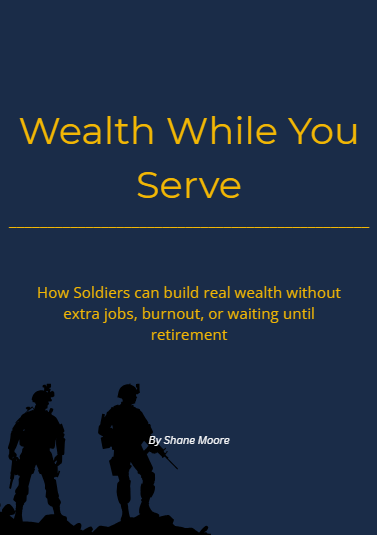
Ready to Start Building Wealth While You Serve?
Grab the free guide built for service members who want more than just survival mode. Whether you're in the barracks or deployed overseas, this is your first step toward real freedom.
Helping Soldiers Build Real Wealth While They Serve
We share practical tools, smart financial strategies, and military-friendly resources. Our goal is to help you stop just surviving and start building real freedom.

The information provided by Wealth While You Serve is for educational purposes only and does not constitute financial, legal, or tax advice. Always consult a qualified advisor before making financial decisions. Some links on this site are affiliate links, which means we may earn a small commission at no extra cost to you. This helps us continue offering free resources for military members and their families.
Created with ©systeme.io