
How to Save a Civilian Safety Net Before ETS
A strong safety net gives you confidence, stability, and freedom as you prepare for life after the Army.

Disclosure:
This article is for educational purposes only and is not financial advice. Always do your own research or speak with a licensed advisor before making investment decisions.
Why Soldiers Need a Civilian Safety Net
ETS timing often shifts. Even with planning, appointments, out-processing steps, and medical requirements can change without warning. A financial safety net protects you from these disruptions. It removes stress and gives you the flexibility to handle delays without panic.
Civilian income takes time to stabilize. Even if you have a job lined up, there is always an adjustment period. Pay cycles change, taxes increase, and benefits may cost more. A safety net smooths this transition and prevents financial shock.
Unexpected expenses appear during ETS. Moving costs, travel, temporary lodging, childcare, uniforms, and missing documentation can all create surprise bills. A safety net prevents these expenses from derailing your transition. It adds security during a stressful time.
Medical and benefit changes create gaps. Health coverage, deductibles, and prescription costs shift when you leave the military. A safety net gives you the space to handle these changes responsibly.
A safety net protects your identity and confidence. Transition can be emotionally heavy. A financial cushion gives you stability so you can make decisions from strength, not fear.
What a Civilian Safety Net Should Include
Three to six months of basic living expenses. This cushion protects you while you settle into your new job or lifestyle. It gives you time to adjust without rushing into poor decisions. It also protects your long-term goals from unexpected setbacks.
Savings for moving and housing costs. Deposits, application fees, and travel costs add up quickly. Planning ahead keeps these expenses from causing stress. Prepared soldiers transition with confidence.
A buffer for job-hunting time. Even motivated soldiers sometimes take weeks or months to find the right civilian job. A safety net ensures you can choose the right job instead of taking the first offer out of fear.
A space for medical and benefit gaps. Coverage changes happen fast during ETS. A safety net allows you to handle these costs while you sort out new insurance.
Protection from delayed pay. Civilian companies do not always pay immediately. You may wait weeks for your first paycheck. A safety net shields you from this delay and keeps you financially steady.
How to Build Your Safety Net Before ETS
Start with a clear target. When you know how much you need, planning becomes easier. Set a dollar amount for your three to six months of expenses. This gives you a mission, not just a vague goal.
Automate contributions. Build your safety net quietly through automatic transfers. When money moves without effort, your progress becomes steady. Automation protects your plan and supports the 56K Plan naturally.
Cut unnecessary expenses during your final year. Small reductions in lifestyle can create big savings quickly. This temporary discipline strengthens your transition and builds confidence.
Use bonuses, tax refunds, or backpay strategically. Directing lump sums into your safety net accelerates your progress. These jumps create fast stability.
Track your progress monthly. Watching your safety net grow reinforces motivation. Visual proof builds confidence and makes discipline easier.
How a Safety Net Supports Civilian Freedom
It removes pressure from job decisions. You can choose the right job instead of the first available one. This leads to a healthier transition.
It protects your long-term goals. With a safety net, you do not need to drain savings or investments when emergencies happen. This protects long-term plans like the 3 Million Timeline.
It reduces emotional stress. Stability improves confidence, performance, and mental health during the transition.
It gives you control over your timeline. A strong safety net means you decide how and when you step into civilian life. You control the pace.
It helps your family feel secure. Financial confidence strengthens everyone involved in the transition.
Final Word
Your ETS is one of the most important transitions of your life. A civilian safety net gives you the financial strength to step into your next chapter with confidence. It protects your long-term goals, supports the 56K Plan, and reinforces your progress toward the 3 Million Timeline. With intention and discipline, you can transition from the Army on your terms.
Recommended Tools for Soldiers
💰 Budgeting Apps Hub – build structure and track your ETS savings with clear visibility.
🪙 High-Yield Savings Hub – store your safety net where it earns interest while staying accessible.
More to explore:
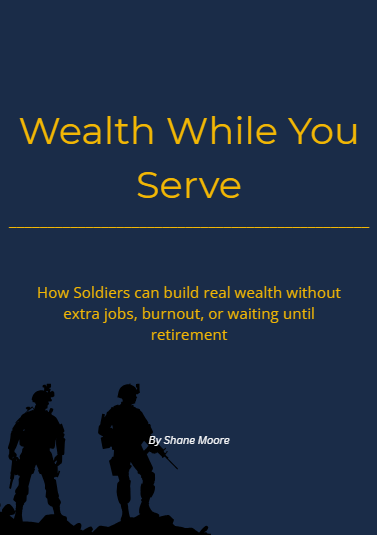
Ready to Start Building Wealth While You Serve?
Grab the free guide built for service members who want more than just survival mode. Whether you're in the barracks or deployed overseas, this is your first step toward real freedom.
Helping Soldiers Build Real Wealth While They Serve
We share practical tools, smart financial strategies, and military-friendly resources. Our goal is to help you stop just surviving and start building real freedom.

The information provided by Wealth While You Serve is for educational purposes only and does not constitute financial, legal, or tax advice. Always consult a qualified advisor before making financial decisions. Some links on this site are affiliate links, which means we may earn a small commission at no extra cost to you. This helps us continue offering free resources for military members and their families.
Created with ©systeme.io