
Why Emergency Funds Save Soldiers From Bad Debt
Emergency funds are more than savings. They are a barrier that protects soldiers from falling into high-interest debt and losing long-term financial stability.

Disclosure:
This article is for educational purposes only and is not financial advice. Always do your own research or speak with a licensed advisor before making investment decisions.
Why Soldiers Get Stuck With Bad Debt
Military life creates unpredictable expenses. PCS moves, car issues, medical surprises, and travel costs appear without warning. Without an emergency fund, soldiers often turn to credit cards or personal loans to cover these moments. This reactive pattern becomes a cycle that grows harder to escape. Awareness helps you stay ahead of these financial traps.
Most soldiers underestimate how quickly small debts accumulate. Even minor emergencies can lead to debt that grows faster than expected due to interest. When you rely on credit during stressful moments, the long-term consequences become overwhelming. Understanding this risk encourages stronger habits.
Barracks culture can worsen emotional spending during emergencies. When everyone around you spends freely, it becomes easy to use debt as a temporary solution. This environment increases the pressure to avoid feeling behind. Recognizing this emotional influence helps you stay disciplined.
High-interest lenders target military communities. Payday loans, predatory lenders, and quick-cash companies intentionally position themselves near bases. Soldiers under stress are vulnerable to these traps. Strong preparation helps you avoid them completely.
Lack of a clear plan creates long-term instability. Without a structure, emergency spending becomes chaotic and reactive. A clear plan reduces confusion and strengthens your financial identity. Structure protects your future.
How Emergency Funds Protect Soldiers
They prevent emergencies from becoming long-term problems. When you have cash ready, unexpected expenses do not turn into high-interest debt. This protection keeps your financial progress intact. Protection supports your discipline.
They reduce emotional stress during crises. Knowing you are prepared helps you make calm decisions instead of panicked ones. Calm decisions protect your wallet and your confidence. Soldiers with emergency funds stay grounded.
They help you stay consistent with long-term goals. When emergencies no longer disrupt your budget, you maintain structure. This consistency supports long-term milestones like the 3 Million Timeline. Stability builds long-term freedom.
They protect your family from financial instability. A strong emergency fund keeps your household secure during difficult seasons. Security reduces family stress and strengthens unity.
They reduce reliance on credit cards. When you use less credit, you avoid interest charges that drain your income. Avoiding interest helps you stay ahead.
How to Build an Emergency Fund the Smart Way
Start with a realistic target. Even a small emergency fund gives you immediate protection. Begin with a simple goal and build steadily over time. Progress strengthens your confidence.
Automate deposits every month. Automation removes emotion and ensures consistent progress. When money moves automatically, discipline becomes easier. Automation strengthens your habits.
Store your fund in a high-yield savings account. This protects your money while helping it grow. A strong account keeps your emergency cash available without encouraging spending. Structure supports your discipline.
Avoid dipping into the fund for non-emergencies. Your emergency fund is for urgent needs, not lifestyle upgrades. Protecting it strengthens your financial identity. Discipline builds long-term security.
Rebuild your emergency fund after each use. Emergencies do happen, but rebuilding quickly protects your long-term progress. This habit reinforces your commitment to financial freedom.
How Emergency Funds Build Long-Term Freedom
They reduce financial anxiety. Preparedness lowers stress and increases confidence.
They prevent long-term debt cycles. Avoiding debt keeps your money working for you.
They support major financial goals. Stability makes saving and investing easier.
They strengthen your protection during transitions. PCS moves and life changes become less stressful.
They help you follow long-term systems like the 56K Plan. A strong safety net reinforces consistent habits.
Final Word
Emergency funds protect soldiers from the stress, instability, and long-term damage that bad debt creates. When you build a strong financial safety net, you protect your progress and strengthen your discipline. These habits support your journey through the 56K Plan and help you stay focused on long-term freedom.
Recommended Tools for Soldiers
🏦 Banks Hub – organize your emergency savings with secure, reliable accounts.
📈 Investing Hub – keep your long-term goals growing while your emergency fund protects your foundation.
More to explore:
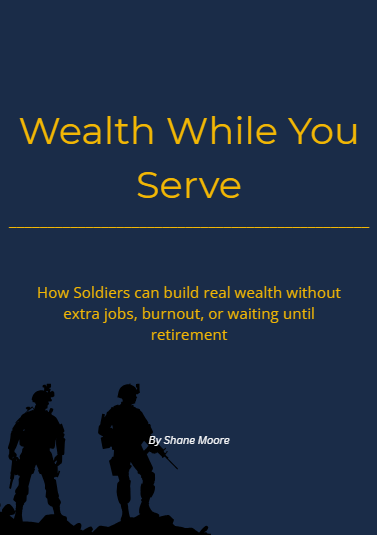
Ready to Start Building Wealth While You Serve?
Grab the free guide built for service members who want more than just survival mode. Whether you're in the barracks or deployed overseas, this is your first step toward real freedom.
Helping Soldiers Build Real Wealth While They Serve
We share practical tools, smart financial strategies, and military-friendly resources. Our goal is to help you stop just surviving and start building real freedom.

The information provided by Wealth While You Serve is for educational purposes only and does not constitute financial, legal, or tax advice. Always consult a qualified advisor before making financial decisions. Some links on this site are affiliate links, which means we may earn a small commission at no extra cost to you. This helps us continue offering free resources for military members and their families.
Created with ©systeme.io