
Why Building Civilian Skills Early Creates Freedom Later
Freedom after service is rarely created at ETS. It is built quietly while you are still serving.

Many soldiers delay thinking about civilian skills because ETS feels far away. Others assume their military experience will translate cleanly when the time comes. Sometimes it does. Often it does not. Soldiers who build civilian-relevant skills early reduce uncertainty, expand options, and transition with confidence instead of pressure.
Disclosure:
This article is for educational purposes only and is not financial advice. Always do your own research or speak with a licensed advisor before making investment decisions.
Why Waiting Until ETS Limits Options
Time pressure forces narrow choices. When ETS approaches quickly, decisions become reactive. Soldiers focus on what they can do immediately rather than what they actually want long term. That pressure often leads to settling for roles that feel familiar instead of roles that offer growth. Early skill building removes urgency. More time creates better alignment.
Skill gaps are harder to close under stress. Learning new tools or concepts takes mental space. During transition, stress, family changes, and income concerns compete for attention. Trying to build skills while under pressure makes learning harder and slower. Skills built earlier compound quietly. By ETS, they feel natural instead of forced.
Civilian employers expect proof, not potential. Military experience demonstrates discipline and leadership, but many roles require specific skills. Employers want evidence you can do the work today. Early skill development creates that evidence. Waiting limits credibility at the worst possible time.
Confidence grows with preparation. Uncertainty erodes confidence quickly. Soldiers who know they have relevant skills approach transition differently. Confidence improves interviews, negotiations, and decision-making. Preparation changes posture.
How Early Skill Building Changes the Transition Experience
Skills create leverage instead of urgency. When soldiers already have civilian-relevant skills, they are not forced to accept the first offer available. That leverage changes how opportunities are evaluated. Instead of chasing income, soldiers choose alignment. Choice reduces regret and burnout.
Learning early allows experimentation. Trying different tools or fields while still serving carries less risk. Soldiers can test interests without depending on them for income. That experimentation clarifies direction over time. By ETS, uncertainty is lower because exploration already happened.
Progress compounds quietly. Skills improve gradually through repetition and exposure. Small efforts over years outperform rushed efforts over months. Early starts turn learning into habit. Habit removes friction.
Skills support income flexibility. Transferable skills open side opportunities, remote work, or consulting paths later. Even if unused immediately, flexibility exists. Flexibility equals freedom.
Preparation reduces fear of the unknown. Fear often comes from unfamiliar systems. Skills make civilian environments feel navigable instead of intimidating. Familiarity lowers stress during transition.
How Disciplined Soldiers Build Skills While Serving
They treat learning like PT. Small, consistent sessions matter more than intensity.
They choose skills tied to real roles. Learning is aligned with outcomes, not trends.
They apply skills immediately. Practice reinforces understanding and confidence.
They document progress over time. Evidence builds credibility later.
Why This Matters Long Term
Early preparation protects momentum. Skill development supports the 56K Plan by reducing income disruption during transition.
Higher earning paths stay open. Transferable skills strengthen the $3 Million Timeline through better career leverage.
Stress stays manageable. Familiar systems reduce anxiety during major life changes.
Freedom increases. Skills create options long after the uniform comes off.
Practical ways to start building civilian skills now
Pick one skill with real demand. Focus beats scattered effort.
Schedule learning consistently. Small blocks add up over years.
Apply what you learn quickly. Use turns knowledge into skill.
Track progress intentionally. Evidence matters later.
Final Word
Freedom after service is rarely accidental.
Soldiers who build civilian skills early remove urgency, expand options, and create leverage long before ETS arrives. You do not need to overhaul your life. You need consistency and direction.
Start early.
Build quietly.
Carry freedom forward.
Recommended Tools for Soldiers
💰 Budgeting Apps Hub
Budgeting tools free up mental space and money so skill building fits into real life without stress.
💳 Credit Cards Hub
Used responsibly, credit cards can support learning tools, courses, and certifications without disrupting cash flow.
More to explore:
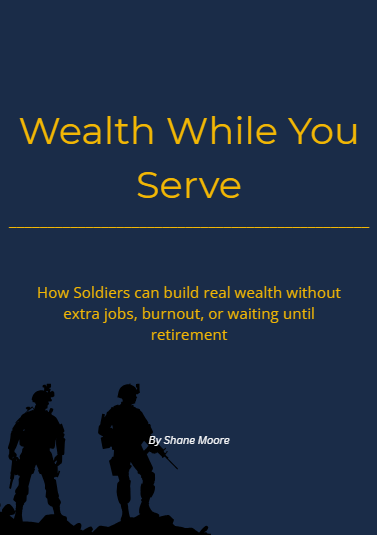
Ready to Start Building Wealth While You Serve?
Grab the free guide built for service members who want more than just survival mode. Whether you're in the barracks or deployed overseas, this is your first step toward real freedom.
Helping Soldiers Build Real Wealth While They Serve
We share practical tools, smart financial strategies, and military-friendly resources. Our goal is to help you stop just surviving and start building real freedom.

The information provided by Wealth While You Serve is for educational purposes only and does not constitute financial, legal, or tax advice. Always consult a qualified advisor before making financial decisions. Some links on this site are affiliate links, which means we may earn a small commission at no extra cost to you. This helps us continue offering free resources for military members and their families.
Created with ©systeme.io