
Why Networking While in Uniform Pays Off Later
The best time to build your civilian network is before you actually need it.

Many soldiers delay networking until ETS is close or already behind them. At that point, urgency replaces strategy. Conversations feel transactional, and opportunities narrow quickly. Networking while still in uniform removes pressure and allows relationships to develop naturally. Those relationships often become the difference between scrambling later and transitioning with options.
Disclosure:
This article is for educational purposes only and is not financial advice. Always do your own research or speak with a licensed advisor before making investment decisions.
Why Waiting Until ETS to Network Creates Stress
Urgency changes how conversations feel. When soldiers network only because they need a job, the pressure is obvious. Conversations become rushed and outcome-focused. That dynamic limits trust and openness. People sense when they are being approached only for help. Networking earlier removes that tension and allows genuine connection to form.
Opportunities move slower than ETS timelines. Civilian hiring cycles do not align with military separation dates. Roles open, close, and shift on timelines you do not control. When networking starts late, timing mismatches cost opportunities. Early networking creates awareness so timing works in your favor instead of against you.
Soldiers underestimate how unfamiliar civilian systems are. Titles, hiring norms, and career paths are different outside the Army. Without guidance, it is easy to misread roles or miss good fits. Networking fills in those knowledge gaps. Learning early prevents costly missteps later.
Stress limits learning. When ETS is close, stress crowds out curiosity. Soldiers focus on immediate outcomes instead of understanding the landscape. Networking under low pressure allows better questions and clearer insight. Clarity improves decisions.
How Networking While Serving Changes Outcomes
Relationships develop without pressure. Conversations can be exploratory instead of transactional. That builds trust over time.
Career paths become clearer earlier. Exposure to different industries and roles sharpens direction long before decisions are final.
Advocates emerge naturally. People are more willing to help when relationships already exist.
Confidence replaces uncertainty. Familiarity reduces fear of the unknown.
How Disciplined Soldiers Network Effectively in Uniform
They treat networking as learning, not asking. Curiosity opens doors more reliably than requests.
They stay consistent but low-pressure. Occasional check-ins build familiarity without urgency.
They translate military experience early. Clear explanations improve understanding and alignment.
They document insights over time. Patterns emerge when conversations accumulate.
Why This Matters Long Term
Early preparation protects momentum. Networking supports the 56K Plan by reducing income gaps and rushed decisions at transition.
Opportunities compound. Relationships built early strengthen the $3 Million Timeline through better career trajectories and earning potential.
Stress stays manageable. Fewer unknowns mean fewer reactive choices.
Optionality increases. Multiple paths become available instead of a single pressured option.
Practical ways to network while still serving
Start conversations early. Low pressure leads to better connections.
Focus on learning roles and industries. Understanding comes before opportunity.
Keep relationships warm over time. Consistency matters more than volume.
Document what you learn. Patterns guide better decisions.
Final Word
Networking is not a last-minute task. It is a long-term asset.
Soldiers who build relationships while still in uniform transition with clarity instead of pressure. Time removes urgency. Relationships create leverage. Both pay off long after the uniform comes off.
Start early.
Stay curious.
Build options before you need them.
Recommended Tools for Soldiers
🏦 Banks Hub
Strong banking relationships often introduce broader professional networks and insights into civilian financial systems.
📈 Investing Hub
Investing communities and platforms expose soldiers to professionals across industries and long-term thinking.
More to explore:
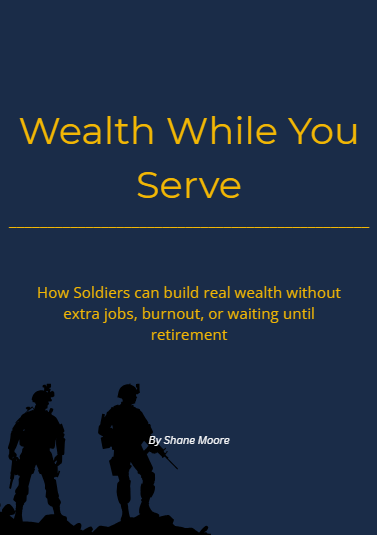
Ready to Start Building Wealth While You Serve?
Grab the free guide built for service members who want more than just survival mode. Whether you're in the barracks or deployed overseas, this is your first step toward real freedom.
Helping Soldiers Build Real Wealth While They Serve
We share practical tools, smart financial strategies, and military-friendly resources. Our goal is to help you stop just surviving and start building real freedom.

The information provided by Wealth While You Serve is for educational purposes only and does not constitute financial, legal, or tax advice. Always consult a qualified advisor before making financial decisions. Some links on this site are affiliate links, which means we may earn a small commission at no extra cost to you. This helps us continue offering free resources for military members and their families.
Created with ©systeme.io