
How to Budget for Living Off Post as a Junior Enlisted
Keep your freedom without losing your financial foundation

Moving off post feels like a big step forward. More space, more independence, and fewer restrictions make it feel like an upgrade. That shift is real, but so is the financial responsibility that comes with it.
The problem is most soldiers focus on what they gain and underestimate what it costs. And when that gap is not planned correctly, living off post can quietly slow your financial progress.
Disclosure:
This article is for educational purposes only and is not financial advice. Always do your own research or speak with a licensed advisor before making investment decisions.
Why Living Off Post Gets Expensive Fast
Freedom increases spending. When you move off post, you gain control over your environment, which naturally leads to more choices. More choices often mean more spending. Without structure, those decisions add up quickly. That increase does not feel significant day to day. But over time, it reduces your financial margin.
BAH feels like extra income. It is easy to treat BAH as money to spend instead of money to manage. When it feels separate, discipline drops slightly. That small shift is enough to justify higher rent or additional expenses. Over time, that decision becomes your new baseline. That is where your flexibility disappears.
Hidden costs add up. Rent is only part of the equation. Utilities, internet, groceries, transportation, and maintenance all stack on top. Each one seems manageable on its own. But together, they create real pressure on your system. Without planning, those costs grow faster than expected.
Lifestyle creep happens quickly. Once you have more space and independence, it is easy to upgrade multiple areas at once. Furniture, subscriptions, and daily habits all expand. That expansion feels normal. But it increases your monthly obligations. Higher obligations reduce your ability to save and invest.
How to Build a Solid Off-Post Budget
Start with your total cost, not just rent. Looking only at rent creates a false sense of affordability. When you include all expenses, the real picture becomes clear. That clarity changes decisions. Better decisions protect your system. This is where most mistakes are avoided.
Set a target below your full BAH. Using your entire BAH removes your margin. When your margin disappears, flexibility goes with it. Keeping expenses below BAH creates breathing room. That breathing room supports saving and investing. That is how you stay ahead.
Separate housing and spending. Using tools from the 🏦 Banks Hub helps you divide your money clearly so housing costs do not mix with daily spending. Separation improves awareness. Awareness improves control. Control supports consistency.
Track everything early. The first 60 days matter the most. That is when your habits are formed. Tracking your spending during that time shows where money is actually going. That awareness allows you to adjust before it becomes a long-term pattern.
Common Budgeting Mistakes Off Post
Choosing rent at or above full BAH
Ignoring utilities and variable expenses
Furnishing too quickly without a plan
Assuming expenses will stay consistent without tracking
These mistakes are common.
And they compound quickly.
How This Impacts Your Long-Term Progress
Keeping housing costs controlled supports the 56K Plan. Lower expenses early allow you to maintain consistent saving and investing. That consistency is what builds your foundation. When costs increase, that consistency breaks down. That is where progress slows.
Maintaining margin supports the $3 Million Timeline. Extra room in your budget allows your money to stay invested and grow. When that margin disappears, your ability to contribute consistently drops. That reduction compounds over time. Protecting margin matters.
Discipline carries across all spending. Housing is usually your largest expense. How you handle it influences everything else. Strong decisions here lead to better decisions everywhere. That is how systems are built.
Flexibility reduces financial stress. When your expenses are controlled, you have options. Options reduce pressure. Lower pressure improves decision-making. That stability supports long-term success.
Practical ways to stay in control off post
Choose housing below your maximum. This is a margin-building strategy that protects your system. Staying below your limit creates flexibility. Flexibility improves long-term outcomes.
Delay upgrades until your system stabilizes. This is a friction control strategy that prevents early overspending. Waiting improves clarity. Better timing improves decisions.
Track your first 60 days closely. This is an awareness strategy that helps you adjust early instead of correcting later. Early adjustments are easier to make. That protects your progress.
Keep housing aligned with your goals. This is an identity reinforcement strategy that ensures your living situation supports what you are building. Alignment improves consistency. Consistency drives results.
Final Word
Living off post can be a great move if it is handled correctly. It gives you more control, more comfort, and more independence, but it also increases the number of decisions you have to manage every month.
Most soldiers run into problems because they build their lifestyle first and try to adjust their budget after. By then, the costs are already locked in.
If you build your budget first and let your lifestyle fit inside it, everything works differently. You stay in control, your system stays intact, and your progress continues without unnecessary setbacks.
Recommended Tools for Soldiers
🪙 High-Yield Savings Hub – Keep your extra margin growing instead of disappearing into lifestyle costs.
📈 Investing Hub – Put your savings to work so your move off post supports long-term growth.
More to explore:
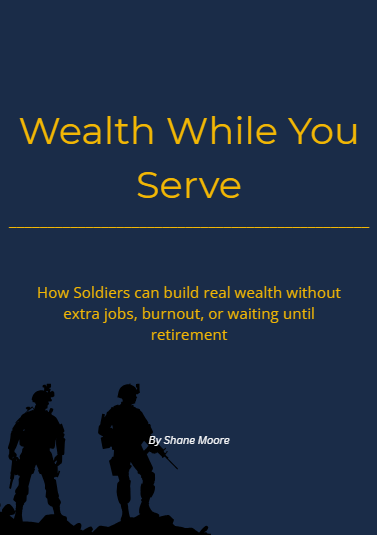
Ready to Start Building Wealth While You Serve?
Grab the free guide built for service members who want more than just survival mode. Whether you're in the barracks or deployed overseas, this is your first step toward real freedom.
Helping Soldiers Build Real Wealth While They Serve
We share practical tools, smart financial strategies, and military-friendly resources. Our goal is to help you stop just surviving and start building real freedom.

The information provided by Wealth While You Serve is for educational purposes only and does not constitute financial, legal, or tax advice. Always consult a qualified advisor before making financial decisions. Some links on this site are affiliate links, which means we may earn a small commission at no extra cost to you. This helps us continue offering free resources for military members and their families.
Created with ©systeme.io