
Why Soldiers Fall Into Debt Without Realizing It
Debt creeps in quietly when habits have no structure.

Disclosure:
This article is for educational purposes only and is not financial advice. Always do your own research or speak with a licensed advisor before making investment decisions.
Why Soldiers Slip Into Debt Slowly
Most soldiers underestimate how small purchases add up. Snacks, rideshares, energy drinks, and barracks entertainment quietly drain money. When these small habits repeat daily, soldiers lose track of spending entirely. Lost awareness leads to overspending. Overspending leads to debt. Debt grows faster than expected.
Stress increases emotional spending. Long days, unpredictable schedules, or unit pressure create moments where comfort feels deserved. Emotional spending feels harmless but builds quickly. Emotional habits weaken structure. Weak structure increases vulnerability. Vulnerability leads to debt.
Army pay feels predictable, so soldiers overestimate their cushion. Predictability gives a false sense of security. Without a budget, soldiers assume they have more money than they do. This creates overconfidence. Overconfidence creates mistakes. Mistakes create debt.
Bills and subscriptions pile up quietly. Soldiers sign up for services, apps, or payments they forget about. These charges drain accounts slowly. Slow drain turns into overdrafts. Overdrafts turn into debt. Awareness is the missing piece.
The 56K Plan is designed to prevent slow financial slippage by adding structure early. Structure prevents drift.
How Debt Grows Without Warning
Credit cards make spending feel painless. Without seeing immediate consequences, soldiers swipe without thinking. This builds a habit of unconscious spending. These habits weaken discipline. Weak discipline increases long-term risk. Risk becomes debt.
Financing becomes normalized in the barracks. Soldiers see others financing cars, electronics, and furniture. This makes large purchases feel smaller. Smaller-feeling purchases are easier to justify. Justification weakens discipline. Weak discipline fuels debt.
Unexpected expenses create panic. Without emergency savings, soldiers use credit cards or loans for small emergencies. These debts grow quickly. Growth becomes overwhelming. Overwhelm creates avoidance, and avoidance deepens the problem.
PCS moves disrupt routines. When finances get chaotic, soldiers use credit to bridge the gap. These decisions snowball. Snowballs become long-term obligations. Obligations limit future options.
Debt becomes normalized when soldiers stop looking at their accounts. Avoidance reinforces the problem.
How to Stop Debt Before It Starts
Track spending honestly and consistently. Awareness is the first defense against drift. When soldiers know where their money goes, discipline becomes easier. Discipline builds confidence. Confidence strengthens structure.
Pay off small balances immediately. Small debts grow into large ones quickly. Eliminating them fast prevents momentum loss. Fast wins build discipline. Discipline prevents drift. Drift leads to trouble.
Avoid financing anything without a clear plan. Financing is not the enemy, but poor planning is. Understanding the total cost protects your stability. Protection strengthens your future. Future strength builds freedom.
Build an emergency fund early. Even a small cushion stops credit reliance. Credit reliance creates debt spirals. Spirals weaken identity. Identity must stay strong.
Review subscriptions and automatic charges monthly. Removing unused expenses frees mental bandwidth and money. Freed bandwidth strengthens discipline. Discipline supports long-term progress, including the 3 Million Timeline.
Why Soldiers Avoid Debt Once They Understand It
Debt reduces future options.
It increases stress and emotional pressure.
It weakens long-term plans.
It limits freedom during PCS or deployment.
It disrupts compounding, the engine of wealth.
Final Word
Debt does not strike suddenly. It builds slowly through unnoticed habits and emotional decisions. Discipline protects you from the slide and keeps your future strong.
Recommended Tools for Soldiers
💰 Budgeting Apps Hub – spot spending leaks early.
🛡️ Insurance Hub – protect against unexpected costs that trigger debt.
More to explore:
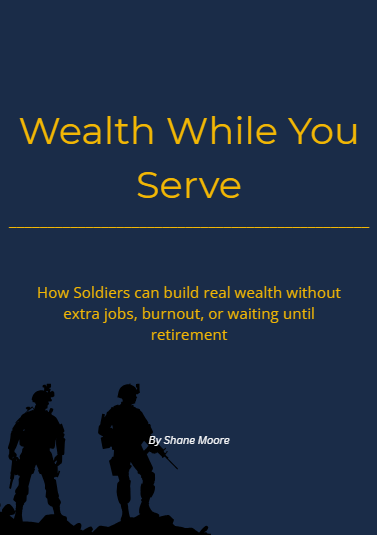
Ready to Start Building Wealth While You Serve?
Grab the free guide built for service members who want more than just survival mode. Whether you're in the barracks or deployed overseas, this is your first step toward real freedom.
Helping Soldiers Build Real Wealth While They Serve
We share practical tools, smart financial strategies, and military-friendly resources. Our goal is to help you stop just surviving and start building real freedom.

The information provided by Wealth While You Serve is for educational purposes only and does not constitute financial, legal, or tax advice. Always consult a qualified advisor before making financial decisions. Some links on this site are affiliate links, which means we may earn a small commission at no extra cost to you. This helps us continue offering free resources for military members and their families.
Created with ©systeme.io