
Why Some Veterans Struggle Financially After Transition
Transition exposes financial weaknesses that were hidden during active duty, and understanding these challenges helps you avoid them.

Disclosure:
This article is for educational purposes only and is not financial advice. Always do your own research or speak with a licensed advisor before making investment decisions.
Why Transition Creates Financial Pressure
Military structure hides financial weaknesses. Predictable pay, free healthcare, stable housing, and controlled routines cover up issues that appear the moment a soldier ETSs. Once these supports disappear, financial stress rises quickly. Recognizing this early helps you build stronger habits.
Expenses rise dramatically after leaving service. Rent, security deposits, healthcare premiums, transportation, and childcare all hit at once. Veterans who did not prepare feel overwhelmed immediately. Understanding these costs early allows you to plan with confidence. Preparation reduces shock.
Many veterans underestimate civilian pay cycles. Delayed paychecks, inconsistent hours, and probation periods create financial gaps. Without savings, these gaps turn into debt quickly. Awareness helps you build stability before exiting.
Identity shifts create emotional spending. Losing rank, routine, and uniformed status can trigger purchases meant to replace a sense of purpose. Emotional buying drains savings and causes long-term harm. Awareness helps you stay grounded.
Lack of a clear plan increases fear. Many veterans ETS without a structured strategy for school, work, or finances. This uncertainty magnifies stress. Having a plan brings clarity and confidence.
The Most Common Mistakes Veterans Make
Overspending during the early transition months. Freedom can create emotional purchases that undo years of progress. Mindfulness helps you stay grounded.
Ignoring early financial planning. Without a structure, civilian life feels chaotic. Planning prevents this chaos.
Assuming civilian jobs will immediately match military pay. Most jobs pay less at the start and take time to grow. Understanding this prevents disappointment and overspending.
Failing to build a strong emergency fund before ETS. Emergencies become more expensive without military benefits. Saving early protects your future.
Not understanding how benefits change. Healthcare, education, and housing all operate differently after service. Knowledge protects your money and reduces stress.
How to Stay Ahead of the Transition Curve
Start building savings years before ETS. Even small monthly contributions create stability. This stability reduces fear and increases confidence.
Use your education benefits early to increase civilian earning potential. More skills equal more opportunity. Opportunity increases income.
Understand the full cost of civilian life. Run the numbers on rent, insurance, healthcare, transportation, and food. Awareness prevents financial shocks.
Plan your job search months in advance. Starting early gives you time to find a role that fits your skills instead of settling through pressure. Structure makes the transition smoother.
Connect your transition goals to long-term freedom. Every disciplined step supports your movement toward big milestones like the 3 Million Timeline.
How Preparation Creates Long-Term Freedom
It reduces the stress many veterans experience after ETS. Preparation brings clarity.
It protects your savings from unnecessary setbacks. Protection builds stability.
It strengthens your civilian career path. Confidence improves opportunity.
It eliminates the shock that causes emotional spending. Awareness protects your identity.
It ensures your financial habits follow you beyond the uniform. Discipline lasts a lifetime.
Final Word
Transition reveals how strong your financial habits really are. When you prepare early, build savings, and stay disciplined, you avoid the struggles many veterans face after leaving the uniform. These decisions protect your progress through the 56K Plan and strengthen your path toward long-term freedom.
Recommended Tools for Soldiers
📈 Investing Hub – transition is smoother when your investments continue growing steadily.
🛡️ Insurance Hub – understand healthcare, renter’s, and life insurance needs before ETS.
More to explore:
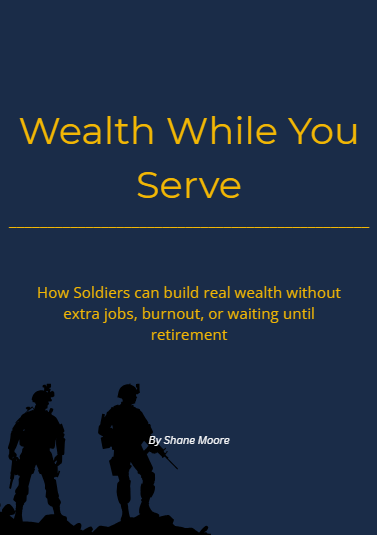
Ready to Start Building Wealth While You Serve?
Grab the free guide built for service members who want more than just survival mode. Whether you're in the barracks or deployed overseas, this is your first step toward real freedom.
Helping Soldiers Build Real Wealth While They Serve
We share practical tools, smart financial strategies, and military-friendly resources. Our goal is to help you stop just surviving and start building real freedom.

The information provided by Wealth While You Serve is for educational purposes only and does not constitute financial, legal, or tax advice. Always consult a qualified advisor before making financial decisions. Some links on this site are affiliate links, which means we may earn a small commission at no extra cost to you. This helps us continue offering free resources for military members and their families.
Created with ©systeme.io