
The Smart Way to Use Extra Duty Pay Strategically
Extra money only helps if it’s given an assignment

Disclosure:
This article is for educational purposes only and is not financial advice. Always do your own research or speak with a licensed advisor before making investment decisions.
Why Extra Duty Pay Often Disappears Without Results
Extra duty pay usually arrives without a plan attached to it. Because it feels separate from base pay, it often feels temporary or bonus-like. Temporary money feels easier to spend casually. Casual spending rarely gets tracked. When money isn’t tracked, it doesn’t build anything meaningful.
Soldiers mentally label extra pay as “earned comfort.” Long hours, added responsibility, and inconvenience create justification. Justification lowers resistance to spending. Lower resistance leads to impulse decisions. Those impulses usually target short-term relief instead of long-term gain.
Irregular income bypasses normal budgeting systems. Most budgets are built around base pay. Extra pay lands outside the structure. Without structure, money follows emotion. Emotional money decisions rarely align with goals.
Small increases don’t feel powerful, so they aren’t respected. Extra duty pay often isn’t huge on its own. Because it feels insignificant, it’s treated lightly. Repeated light treatment adds up. Over time, those missed opportunities compound quietly.
How to Assign Extra Duty Pay a Clear Job
Extra pay should strengthen systems, not lifestyle. Systems are what compound over time. When extra money reinforces saving or investing, progress accelerates. Acceleration reduces the need for future sacrifice. That tradeoff favors discipline early.
This fits cleanly into the 56K Plan mindset. The plan works because early margin is protected. Extra pay increases margin temporarily. Assigning it intentionally locks that benefit in. Locked-in benefits compound longer.
Using extra pay to reduce risk often beats spending it. Paying down high-stress obligations or building buffers increases stability. Stability improves decision quality everywhere else. Better decisions protect consistency.
Strategic use creates momentum without raising expectations. Lifestyle upgrades create new baselines. New baselines increase pressure. Avoiding that pressure keeps systems intact.
Why Strategic Use of Extra Pay Protects Long-Term Freedom
Extra duty pay can reinforce the $3 Million Timeline instead of distracting from it. Small injections of capital gain time when invested early. Time multiplies outcomes more than size. That multiplier is lost when money is consumed instead.
Strategic allocation prevents lifestyle inflation during busy periods. Busy seasons invite spending shortcuts. Clear rules remove that temptation. Removed temptation preserves progress.
Using extra pay intentionally builds confidence. Confidence comes from control, not income. Controlled money feels purposeful. Purpose sustains discipline.
Freedom grows when income spikes don’t change behavior. Stability during change is powerful. Powerful systems last longer. Longer systems compound more.
Practical ways to use extra duty pay intentionally
Route it automatically to savings or investing. Automation prevents drift.
Use it to strengthen emergency buffers. Buffers absorb future stress.
Avoid spending it until you’ve waited one full pay cycle. Time restores perspective.
Tie each dollar to a long-term objective. Assignment creates accountability.
Final Word
Extra duty pay is not dangerous because it’s small. It’s dangerous because it feels separate. Soldiers who give that money a clear assignment turn temporary income into permanent progress. That progress reduces pressure, strengthens systems, and protects long-term goals. When extra pay is treated with intention, it quietly accelerates freedom. That’s how additional effort turns into lasting results while you serve.
Recommended Tools for Soldiers
📈 Investing Hub – Turn irregular income into long-term compounding instead of short-term spending.
🛡️ Insurance Hub – Use extra pay to reduce risk that could derail progress later.
More to explore:
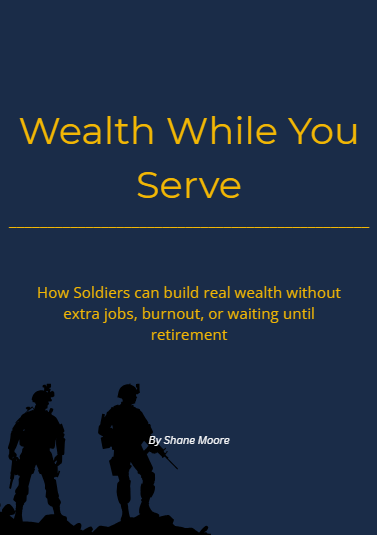
Ready to Start Building Wealth While You Serve?
Grab the free guide built for service members who want more than just survival mode. Whether you're in the barracks or deployed overseas, this is your first step toward real freedom.
Helping Soldiers Build Real Wealth While They Serve
We share practical tools, smart financial strategies, and military-friendly resources. Our goal is to help you stop just surviving and start building real freedom.

The information provided by Wealth While You Serve is for educational purposes only and does not constitute financial, legal, or tax advice. Always consult a qualified advisor before making financial decisions. Some links on this site are affiliate links, which means we may earn a small commission at no extra cost to you. This helps us continue offering free resources for military members and their families.
Created with ©systeme.io