
Why “Too Much Cash” Can Hurt Wealth Growth
Cash feels safe, but safety has a cost. Every dollar sitting idle loses value to inflation while your future goals wait. Soldiers who understand balance, between security and growth, keep their freedom growing instead of shrinking.

Disclosure:
This article is for educational purposes only and is not financial advice. Always do your own research or speak with a licensed advisor before making investment decisions.
Why Cash Feels Safer Than It Really Is
Cash gives the illusion of control. Seeing large balances feels good, especially after deployments or bonuses. But inflation erodes silent percentages every year. Soldiers often mistake calm for strength when that calm is really slow loss.
Fear of loss replaces strategy with hoarding. Many soldiers delay investing because they “don’t want to lose.” But avoiding short-term volatility causes permanent opportunity loss. A dollar not invested misses decades of compounding that could’ve built the 3 Million Timeline quietly in the background.
Cash doesn’t earn confidence; it traps it. Once large balances become normal, it’s hard to invest again. Behavior locks before math does. Soldiers who set boundaries on cash holdings keep control of their psychology, the hardest part of wealth building.
How to Balance Liquidity and Growth
Keep a defined emergency fund, then invest everything else. Three to six months of expenses in a High Yield Savings account protects you. Anything beyond that slows you down.
Automate investing so excess cash never builds unnoticed. Transfers on payday remove temptation and keep your 56K Plan consistent.
Use goals, not emotions, to define cash levels. PCS coming? Baby on the way? Adjust slightly, then return to normal once the event passes. Consistency keeps growth steady.
How Too Much Cash Damages Compounding
You delay the start of exponential growth. Compounding is most powerful over time. Each year you wait doubles the work your future self must do.
Inflation acts like invisible interest in reverse. It compounds against you while invested money compounds for you.
Long idle periods break rhythm. Soldiers who stay fully invested feel less stress later because they never face the pressure of jumping back in “at the right time.”
Building a Healthy Relationship With Cash
Cash is a tool, not a trophy. It protects your systems; it’s not the goal.
Investing creates calm, not risk. Seeing progress build automatically beats watching savings lose value quietly.
Freedom requires flow. Money should always be moving toward ownership, never storage.
Final Word
Cash feels secure, but security without growth becomes stagnation. Keep what you need, invest the rest, and let time do its work. Freedom grows for soldiers who keep money moving.
Recommended Tools for Soldiers
👉 High Yield Savings Hub – store your emergency buffer where it earns more without risk.
👉 Investing Hub – automate investing from excess cash directly into compounding growth.
More to explore:
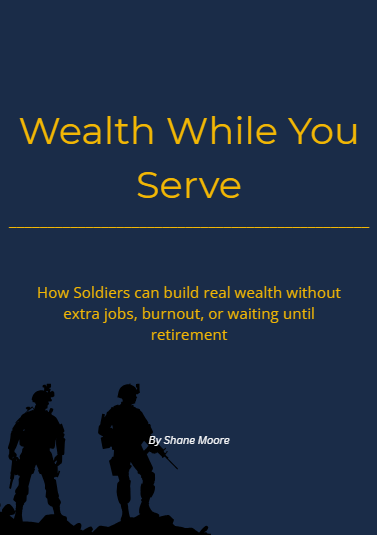
Ready to Start Building Wealth While You Serve?
Grab the free guide built for service members who want more than just survival mode. Whether you're in the barracks or deployed overseas, this is your first step toward real freedom.
Helping Soldiers Build Real Wealth While They Serve
We share practical tools, smart financial strategies, and military-friendly resources. Our goal is to help you stop just surviving and start building real freedom.

The information provided by Wealth While You Serve is for educational purposes only and does not constitute financial, legal, or tax advice. Always consult a qualified advisor before making financial decisions. Some links on this site are affiliate links, which means we may earn a small commission at no extra cost to you. This helps us continue offering free resources for military members and their families.
Created with ©systeme.io