
How to Plan a Strong Financial Future After the Army
Leaving the Army changes your income structure overnight, which means your long-term plan must be built before your uniform comes off.

The end of service is not just a career transition. It is a financial pivot point. Because military compensation includes housing, healthcare, and tax advantages, civilian life feels different immediately. Many veterans underestimate that shift. Underestimation creates stress. Stress creates rushed financial decisions. Structure prevents that spiral.
Disclosure:
This article is for educational purposes only and is not financial advice. Always do your own research or speak with a licensed advisor before making investment decisions.
Why Post-Army Financial Planning Requires a Different Mindset
Your compensation becomes less layered. In uniform, base pay, BAH, BAS, and healthcare combine into predictable value. Civilian income is usually presented as a single salary number, which means benefits must be analyzed separately. That difference changes budgeting dynamics. Clarity prevents overcommitment. Overcommitment creates long-term strain.
Healthcare costs shift significantly. Military coverage is comprehensive and low cost, while civilian insurance premiums and deductibles vary widely because employers structure plans differently. Even if salary increases, net take-home may not rise proportionally. Misjudging that gap causes cash flow pressure. Pressure limits investing.
Retirement systems change structure. TSP may no longer receive employer matching after separation, which means contribution discipline must become intentional rather than automatic. Without structure, investing slows. Slow investing delays compounding. Compounding is the core engine of wealth.
Identity shifts influence spending behavior. Many veterans upgrade lifestyle immediately because they associate civilian life with reward. Even though celebration is understandable, locking in higher fixed costs too early reduces flexibility. Flexibility protects optionality. Optionality builds freedom.
The Core Framework for Building Post-Service Wealth
Protect and preserve existing capital first. Everything you built during service deserves protection because early savings compound for decades. Avoid draining accounts for lifestyle upgrades. Stability is priority one. Growth comes after stability.
Maintain consistent investing through the 📈 Investing Hub. Whether in employer 401(k) plans or brokerage accounts, automation must continue so that compounding remains uninterrupted. Even small consistent contributions sustain momentum. Momentum compounds faster than sporadic bursts.
Evaluate housing strategically through the 🏠 VA Loans Hub. Homeownership can make sense depending on location and stability, but rushing into a purchase immediately after separation increases risk. Renting temporarily may preserve flexibility while employment stabilizes. Decisions should follow math, not emotion.
Align career growth with financial growth. Salary increases should raise savings rate before lifestyle rate because disciplined income allocation accelerates long-term compounding. Promotions and career shifts become leverage opportunities. Leverage amplifies results.
How Your Service Foundation Powers the Future
The discipline behind the 56K Plan creates a financial base that travels with you. Soldiers who learned to save and invest early carry that habit into civilian life, which means transition does not erase progress. Habits outlast pay structures.
The long arc of the $3 Million Timeline continues after separation. Compounding does not stop when service ends, but consistency must remain intact. Time already invested becomes powerful momentum. Interruptions weaken that curve.
Veteran benefits create leverage. Education benefits, healthcare options, and loan programs exist because of service. Used wisely, they reduce financial burden and increase earning capacity. Leverage multiplies disciplined behavior.
Optionality expands with preparation. Veterans who leave with liquidity and investments have freedom to choose roles thoughtfully. That freedom compounds professionally and financially. Choice is wealth.
Common Post-Army Financial Mistakes
Upgrading housing before income stabilizes.
Pausing investing during transition unnecessarily.
Comparing civilian salary only to base pay.
Underestimating healthcare and benefit costs.
Why This Matters Long Term
Smooth transitions preserve compounding. Capital remains invested rather than consumed.
Lower fixed costs increase flexibility. Margin supports career experimentation.
Disciplined investing sustains growth. Consistency compounds across decades.
Preparation reduces stress. Clear plans prevent reactive decisions.
Practical ways to strengthen your financial future after service
Calculate total military compensation before negotiating civilian salary.
Maintain at least six months of expenses in liquidity before separation.
Continue automatic investing immediately after first civilian paycheck.
Delay major lifestyle upgrades until income is stable for 12 months.
Final Word
The Army builds discipline.
Your financial future builds from that discipline.
Leaving service does not reset your wealth trajectory. It extends it. The habits you built in uniform are the same ones that will carry you forward. Protect what you built. Keep investing. Use your benefits wisely.
Stay structured.
Stay consistent.
Build wealth while you serve.
Recommended Tools for Soldiers
📈 Investing Hub – Compare platforms and accounts that support long-term compounding beyond military service.
🏠 VA Loans Hub – Evaluate smart homeownership strategies that align with stable post-service income.
More to explore:
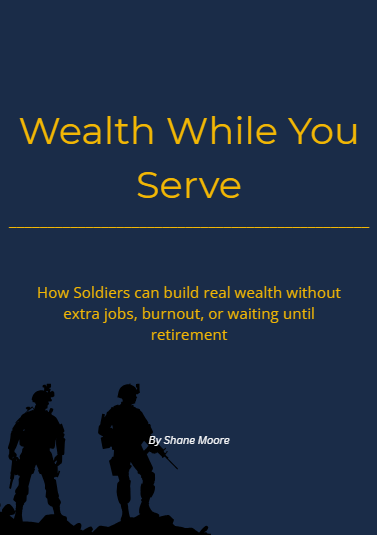
Ready to Start Building Wealth While You Serve?
Grab the free guide built for service members who want more than just survival mode. Whether you're in the barracks or deployed overseas, this is your first step toward real freedom.
Helping Soldiers Build Real Wealth While They Serve
We share practical tools, smart financial strategies, and military-friendly resources. Our goal is to help you stop just surviving and start building real freedom.

The information provided by Wealth While You Serve is for educational purposes only and does not constitute financial, legal, or tax advice. Always consult a qualified advisor before making financial decisions. Some links on this site are affiliate links, which means we may earn a small commission at no extra cost to you. This helps us continue offering free resources for military members and their families.
Created with ©systeme.io