
How to Stretch Your Clothing Allowance Without Looking Cheap
Looking sharp does not require overspending. It requires strategy and discipline.

Disclosure:
This article is for educational purposes only and is not financial advice. Always do your own research or speak with a licensed advisor before making investment decisions.
Why Clothing Allowance Disappears So Quickly
Most soldiers underestimate uniform wear and tear. Daily use, field cycles, and weather conditions damage uniforms faster than expected. Because the wear is gradual, soldiers are often surprised when everything needs replacing at once. This leads to rushed spending and poorly timed purchases. Sudden expenses reduce momentum and create unnecessary stress.
Peer expectations influence how soldiers spend their allowance. When others buy upgrades or replace items frequently, pressure builds to do the same. This leads to wasteful purchases that provide little long-term value. Without awareness, soldiers fall into group spending cycles that drain their money. Peer pressure weakens discipline.
Uniform shops make it easy to overspend on convenience. Buying everything in one place is tempting, but the lack of comparison often leads to higher costs. Without a plan, soldiers rely on convenience instead of strategy. Convenience often replaces financial awareness.
Allowance timing creates overspending spikes. When the annual clothing allowance hits, soldiers feel pressure to spend it immediately. This creates a spending-first mentality instead of a planning-first approach. Planning improves discipline.
Ignoring long-term needs hurts early savings goals like the 56K Plan. Poor planning turns uniform replacement into a financial emergency. Organization protects early momentum and strengthens your foundation.
How to Stretch Your Allowance Further Without Sacrificing Quality
Buy replacements gradually instead of all at once. Replacing a few items every quarter spreads out your spending and reduces financial stress. This keeps your budget predictable during field season, PCS moves, or heavy training cycles. Predictability strengthens long-term discipline.
Take advantage of quality over quantity. Higher-quality items last longer and reduce future costs. Even if they cost slightly more upfront, they save money over time by minimizing replacements. Quality becomes a strategic investment in your career.
Use sales, discounts, and off-post options when appropriate. Comparing prices between uniform stores and authorized vendors helps you build savings without sacrificing standards. Discipline in shopping leads to more consistent financial habits.
Store your uniforms properly to maximize lifespan. Proper storage reduces fading, stretching, and damage caused by improper handling. Small preventative habits save money over years of service. Organization protects your allowance.
Track your expected replacements and plan ahead. Creating a simple list of upcoming needs prevents last-minute spending. When you plan for replacements, you avoid the panic purchases that drain your budget. Planning builds power.
How to Improve Clothing Spending Habits for the Long Term
Create a uniform maintenance routine. Regular checks and simple repairs extend the lifespan of every item. Maintenance builds discipline and protects your budget. Clear routines reduce waste.
Limit impulse purchases tied to new gear trends. Not every upgrade improves performance or appearance. Avoid buying items simply because others are. Intentional choices support long-term progress.
Review your spending quarterly to spot patterns. Quarterly reviews reveal waste and help you rebuild structure. Awareness supports your long-term financial identity.
Use automation for savings related to uniform needs. Setting aside a small amount each month builds a uniform cushion that prevents financial surprises. Automated savings reduce emotional decisions.
Connect your clothing discipline to your long-term financial goals, including the 3 Million Timeline. When every part of your budget has purpose, your progress accelerates. Purpose strengthens discipline.
How Clothing Discipline Supports Long-Term Freedom
It keeps your budget stable during unpredictable seasons. Stability builds momentum.
It reduces financial stress tied to sudden replacement needs. Confidence grows with structure.
It reinforces disciplined habits that benefit every financial area. Discipline compounds.
It prevents lifestyle creep disguised as “professional upgrades.” Awareness reduces waste.
It strengthens your path through the 56K Plan. Consistent habits build freedom.
Final Word
Your clothing allowance can work for you when you use it with intention and structure. With simple habits and disciplined choices, you stretch your allowance, reduce stress, and support your long-term financial goals.
Recommended Tools for Soldiers
🏦 Banks Hub – organize separate accounts for clothing, savings, and essentials.
💳 Credit Cards Hub – use responsible cards for uniform purchases when strategic.
More to explore:
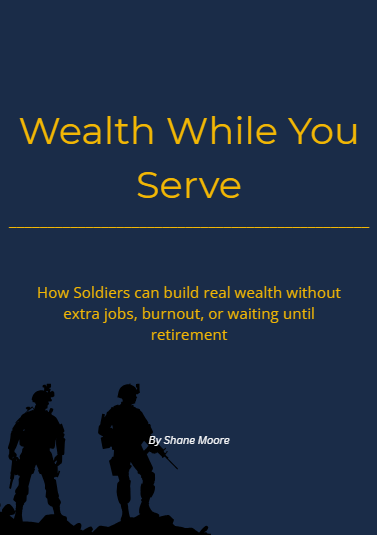
Ready to Start Building Wealth While You Serve?
Grab the free guide built for service members who want more than just survival mode. Whether you're in the barracks or deployed overseas, this is your first step toward real freedom.
Helping Soldiers Build Real Wealth While They Serve
We share practical tools, smart financial strategies, and military-friendly resources. Our goal is to help you stop just surviving and start building real freedom.

The information provided by Wealth While You Serve is for educational purposes only and does not constitute financial, legal, or tax advice. Always consult a qualified advisor before making financial decisions. Some links on this site are affiliate links, which means we may earn a small commission at no extra cost to you. This helps us continue offering free resources for military members and their families.
Created with ©systeme.io