
How to Build a Spending Plan That Fits Army Life
A plan only works if it survives real Army conditions

Disclosure:
This article is for educational purposes only and is not financial advice. Always do your own research or speak with a licensed advisor before making investment decisions.
Why Most Budgets Break Down for Soldiers
Traditional budgets assume stable routines that Army life rarely provides. Many budgeting methods expect predictable schedules, steady expenses, and consistent access to time and attention. Soldiers deal with field problems, last-minute taskings, deployments, and PCS moves that disrupt routines constantly. When a budget depends on perfect consistency, it collapses under stress. Once it collapses, most people abandon it entirely instead of adjusting it. That abandonment creates long gaps where spending runs uncontrolled. Those gaps quietly do the most damage.
Rigid budgets turn normal Army disruptions into “failures.” Missing a category one month feels like a mistake instead of a reality adjustment. That feeling triggers frustration and guilt. Guilt often leads to giving up rather than recalibrating. When recalibration never happens, learning stops. Without learning, the same problems repeat. Repetition turns frustration into avoidance.
Many soldiers confuse tracking with planning. Writing down expenses after the fact doesn’t guide decisions in the moment. Without guidance, spending stays reactive. Reactive spending follows stress, convenience, and emotion. Over time, that reaction pattern dominates behavior. Behavior patterns determine outcomes more than intentions ever will.
Budgets that don’t account for military benefits create blind spots. BAS, BAH, deployments, and allowances change cash flow regularly. Ignoring those shifts creates false assumptions. False assumptions lead to bad decisions. Those decisions feel confusing because the plan never matched reality. When a plan feels disconnected, it stops being trusted.
How to Build a Spending Plan That Actually Works in the Army
A functional spending plan prioritizes flexibility over precision. Army life rewards systems that bend without breaking. Broad categories with buffer space perform better than tightly constrained ones. Buffer space absorbs surprise expenses without collapsing the entire plan. When the plan survives disruption, confidence stays intact. Confidence keeps people engaged instead of quitting. Engagement is what allows improvement over time.
This approach supports consistency required by the 56K Plan. Early wealth building doesn’t require perfect execution. It requires sustained participation. A flexible plan allows saving to continue even during chaotic months. Continuing through chaos matters more than optimizing calm periods. That consistency compounds faster than intensity.
Planning spending around pay cycles instead of months improves control. Army pay arrives predictably twice a month. Building the plan around those deposits improves timing. Better timing reduces overdrafts and reliance on credit. Reduced credit reliance lowers stress. Lower stress improves decision quality.
A good plan assigns jobs to money before it’s spent. Money without a job gets spent emotionally. Assigned money gets spent intentionally. Intentional spending reduces regret. Reduced regret builds trust in the system. Trusted systems get followed.
Why a Military-Aligned Spending Plan Protects Long-Term Wealth
Consistency is what keeps the $3 Million Timeline intact. Long-term compounding depends on uninterrupted systems. Spending chaos creates interruptions. Fewer interruptions protect growth. Protected growth accelerates freedom.
Plans that survive stress prevent financial backsliding. Backsliding often happens during PCS moves, deployments, or family changes. A resilient plan absorbs those moments. Absorption prevents debt. Preventing debt preserves momentum.
Confidence grows when spending feels predictable. Predictability reduces anxiety. Reduced anxiety improves patience. Patient behavior supports investing discipline. Discipline drives outcomes.
Freedom grows when money stops reacting to circumstances. Reactive systems create instability. Stable systems create options. Options matter more than optimization.
Simple ways to build a spending plan that lasts
Use wide categories with built-in buffers. Buffers prevent breakdowns.
Plan around paydays, not calendar months. Timing improves control.
Separate fixed, flexible, and seasonal expenses. Clarity reduces stress.
Adjust instead of abandoning after disruptions. Survival beats perfection.
Final Word
A spending plan isn’t meant to control you. It’s meant to support you through real Army conditions. Soldiers don’t fail at budgeting because they lack discipline. They fail because the plan was never built for their reality. When spending systems are flexible, aligned, and realistic, consistency becomes natural. That consistency is what quietly builds freedom while you serve.
Recommended Tools for Soldiers
💰 Budgeting Apps Hub – Build flexible category systems that adapt to Army schedules.
🧠 Credit Monitoring Hub – Catch early signs of spending drift before it becomes damage.
More to explore:
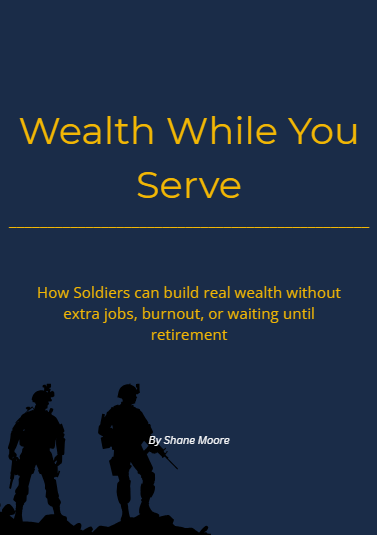
Ready to Start Building Wealth While You Serve?
Grab the free guide built for service members who want more than just survival mode. Whether you're in the barracks or deployed overseas, this is your first step toward real freedom.
Helping Soldiers Build Real Wealth While They Serve
We share practical tools, smart financial strategies, and military-friendly resources. Our goal is to help you stop just surviving and start building real freedom.

The information provided by Wealth While You Serve is for educational purposes only and does not constitute financial, legal, or tax advice. Always consult a qualified advisor before making financial decisions. Some links on this site are affiliate links, which means we may earn a small commission at no extra cost to you. This helps us continue offering free resources for military members and their families.
Created with ©systeme.io