
Best Ways to Save Money on Food While in the Field
Field time disrupts routines, which makes food spending either shrink dramatically or spike in ways soldiers do not expect.

Meals may be provided. Options may be limited. Because schedules shift and convenience becomes priority, spending decisions often happen without thought. Some soldiers come out of the field with more savings. Others end up spending more than usual before and after. The difference is rarely income. It is preparation.
Disclosure:
This article is for educational purposes only and is not financial advice. Always do your own research or speak with a licensed advisor before making investment decisions.
Why Food Spending Gets Out of Control Around Field Time
Pre-field convenience purchases add up fast. Soldiers stock up on snacks, drinks, and quick meals before heading out. Individually, each purchase feels small. Because buying happens in clusters, totals rise quickly. This is where most soldiers get tripped up. The money leaves before you notice.
Post-field reward spending becomes emotional. Coming out of the field creates a desire for comfort. Restaurants and delivery feel earned. Even though that impulse is understandable, repeated celebrations inflate costs. This pattern quietly erodes progress.
Lack of planning leads to duplicate spending. Soldiers sometimes buy food before knowing what will be provided. Because information gaps create uncertainty, overbuying feels safer. That caution becomes waste.
Irregular schedules disrupt budgeting awareness. Field pay cycles feel different. Spending rhythm changes. Because routine tracking pauses, small habits creep back in. This is where awareness matters most.
How Disciplined Soldiers Control Food Costs During Field Cycles
They plan pre-field purchases intentionally. A short list replaces impulse buying. Because clarity limits excess, totals stay controlled. This is where discipline starts before the field even begins.
They set a post-field spending boundary in advance. One planned meal replaces several spontaneous ones. Even though celebration feels justified, limits keep balance intact. That decision prevents overspending.
They adjust monthly budgets for field time. Grocery spending may decrease temporarily. Because field meals reduce normal expenses, extra cash can be redirected intentionally. This turns disruption into opportunity.
They track spending even during irregular schedules. Quick weekly check-ins maintain awareness. Even though routine feels disrupted, visibility keeps habits steady. That consistency compounds quietly.
Common Field Food Money Mistakes Soldiers Make
Stockpiling unnecessary snacks. Waste follows.
Celebrating repeatedly after returning. Emotion drives spending.
Failing to redirect temporary savings. Opportunity gets lost.
Stopping all tracking during field cycles. Habits slip.
Why This Matters Long Term
Small food discipline strengthens early savings habits. Control supports the 56K Plan naturally.
Temporary spending reductions can accelerate investing. Redirected funds reinforce the $3 Million Timeline over time.
Stress stays lower. Field cycles feel financially neutral instead of chaotic.
Freedom increases. Discipline carries into every duty station.
Practical ways to control food spending during field time
Create a short, intentional pre-field shopping list. Limits prevent excess.
Plan one post-field reward meal. Celebration stays contained.
Redirect grocery savings automatically. Opportunity compounds.
Keep simple weekly spending check-ins. Visibility preserves discipline.
Final Word
Field time changes schedules. It does not have to change discipline.
Soldiers who prepare before going out and plan their return spending protect momentum without feeling restricted. Small habits around food may seem insignificant. Over time, they shape identity.
Plan ahead.
Celebrate wisely.
Build wealth while you serve.
Recommended Tools for Soldiers
🪙 High-Yield Savings Hub – Redirecting temporary grocery savings into high-yield accounts allows field cycles to quietly strengthen your buffer.
🛡️ Insurance Hub – Proper coverage protects against unexpected food or travel disruptions that can arise during extended field training.
More to explore:
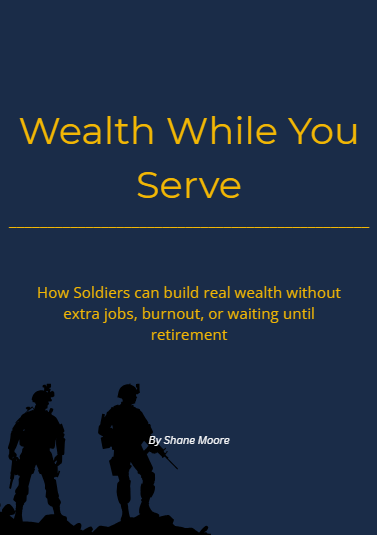
Ready to Start Building Wealth While You Serve?
Grab the free guide built for service members who want more than just survival mode. Whether you're in the barracks or deployed overseas, this is your first step toward real freedom.
Helping Soldiers Build Real Wealth While They Serve
We share practical tools, smart financial strategies, and military-friendly resources. Our goal is to help you stop just surviving and start building real freedom.

The information provided by Wealth While You Serve is for educational purposes only and does not constitute financial, legal, or tax advice. Always consult a qualified advisor before making financial decisions. Some links on this site are affiliate links, which means we may earn a small commission at no extra cost to you. This helps us continue offering free resources for military members and their families.
Created with ©systeme.io