
How to Save Money During Advanced Training Assignments
Keep your system running even when your routine changes

Advanced training assignments change your environment fast. Your schedule shifts, your routine gets disrupted, and your normal financial habits can start to slip if you’re not paying attention. That’s where most soldiers lose ground.
It’s not because of one big mistake. It’s because small decisions start stacking up when structure disappears. And if your system isn’t built to handle change, those small decisions turn into real setbacks.
Disclosure:
This article is for educational purposes only and is not financial advice. Always do your own research or speak with a licensed advisor before making investment decisions.
Why Spending Increases During Advanced Training
Your normal routine disappears, which makes your financial habits less automatic and more reactive When structure is removed, discipline has to replace it. Without a system in place, spending becomes situational. Situational decisions often lead to higher costs. That’s how expenses start creeping up.
Convenience becomes the default, which increases daily spending on food, transportation, and small purchases Busy schedules and unfamiliar environments make convenience appealing. But convenience comes at a cost. Those costs repeat daily. Repetition compounds over time. That’s where money quietly disappears.
Temporary environments create a “short-term mindset,” which leads to relaxed financial discipline It feels like a short phase, so it’s easy to justify spending more. But your financial system doesn’t pause just because your environment changes. Temporary habits still create long-term impact.
Social pressure increases spending, which leads to decisions that don’t align with your long-term goals Group meals, outings, and shared activities add up quickly. Saying yes feels normal. But repeated spending reduces your financial margin. Reduced margin slows your progress.
How to Stay Financially Disciplined During Training
Keep your core system active so that your progress continues even when your environment changes Consistency is more important than intensity. Even reduced contributions keep your system moving forward. Stopping completely creates friction later. Maintaining activity protects momentum.
Set a weekly spending limit so that you create structure in an otherwise unstructured environment Limits reduce decision fatigue. Reduced fatigue improves discipline. Discipline lowers costs. Lower costs support your long-term strategy.
Plan your meals and daily expenses ahead of time so that you avoid relying on convenience spending throughout the week Planning creates control. Control improves decision-making. Better decisions reduce unnecessary expenses. This keeps your system aligned.
Use tools from the 🏦 Banks Hub to separate your spending money from your savings so that you don’t accidentally disrupt your system during the assignment Separation creates clarity. Clarity improves discipline. Discipline protects your progress.
Common Mistakes During Training Assignments
Eating out daily without tracking total cost
Spending more to stay socially involved with peers
Treating the assignment as a break from financial discipline
Ignoring small purchases that add up over time
These don’t feel like major issues in the moment, but they compound quickly.
Why This Matters Long Term
Staying disciplined during training supports the 56K Plan because consistent saving during every phase of your career strengthens your foundation early Early consistency builds momentum. Momentum creates long-term results. This is where your advantage grows.
Controlling spending supports the $3 Million Timeline because maintaining investing habits allows compounding to continue uninterrupted Compounding depends on consistency. Interruptions slow growth. Staying active protects long-term results.
Maintaining your system reduces financial stress because you avoid needing to recover from unnecessary spending after the assignment ends Stability improves confidence. Confidence supports discipline. Discipline drives outcomes.
Adapting your system to changing environments improves long-term success because your progress no longer depends on perfect routines Adaptable systems perform better. Strong systems last longer.
Practical habits that support long-term freedom
Set a fixed weekly allowance so that you create intentional friction against overspending during the assignment This is a friction control strategy that keeps decisions structured. Without limits, spending increases quickly. Structure improves discipline.
Automate your savings and investing before the assignment begins so that your system continues working without requiring constant attention Automation removes effort. Reduced effort improves consistency. Consistency builds results.
Plan a limited number of social activities so that you stay connected without turning daily spending into a habit Balance improves sustainability. Sustainable systems last longer. Long-term systems create results.
Review your spending weekly so that you can adjust early instead of letting small issues grow over time Early awareness prevents larger problems. Control supports consistency.
Final Word
Advanced training is supposed to build you professionally. It shouldn’t set you back financially. But that’s exactly what happens when your system disappears along with your routine.
The soldiers who stay ahead are the ones who adjust instead of reset. They don’t wait until things go back to normal. They keep their system running, even if it’s simplified, and they stay aware of how small decisions add up over time.
Because the truth is, your financial progress is not built during perfect conditions. It’s built when you stay consistent even when things change. If your system can survive disruption, it becomes something you can rely on long term.
Stay structured, stay disciplined, and keep building real wealth while you serve.
Recommended Tools for Soldiers
🧠 Credit Monitoring Hub – Stay aware of your full financial picture so you don’t lose track of progress during training.
🪙 High-Yield Savings Hub – Keep your savings protected and growing while you maintain discipline in a changing environment.
More to explore:
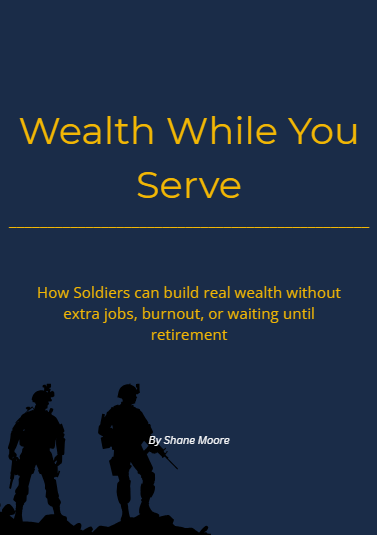
Ready to Start Building Wealth While You Serve?
Grab the free guide built for service members who want more than just survival mode. Whether you're in the barracks or deployed overseas, this is your first step toward real freedom.
Helping Soldiers Build Real Wealth While They Serve
We share practical tools, smart financial strategies, and military-friendly resources. Our goal is to help you stop just surviving and start building real freedom.

The information provided by Wealth While You Serve is for educational purposes only and does not constitute financial, legal, or tax advice. Always consult a qualified advisor before making financial decisions. Some links on this site are affiliate links, which means we may earn a small commission at no extra cost to you. This helps us continue offering free resources for military members and their families.
Created with ©systeme.io