
How to Save for Big Purchases Without Killing Cash Flow
Big purchases become manageable when you plan for them the same way you plan for missions. With structure, clarity, and intentional habits, you can save confidently without stressing your monthly budget.

Disclosure:
This article is for educational purposes only and is not financial advice. Always do your own research or speak with a licensed advisor before making investment decisions.
Why Big Purchases Feel Overwhelming for Many Soldiers
Large expenses create pressure because they feel disconnected from monthly income. When soldiers see a number that exceeds what they earn in a single paycheck, they assume the purchase is out of reach. This mindset creates hesitation and stress. When you break the goal into smaller steps, however, the pressure fades. Small contributions build momentum. Momentum reduces stress and supports goals such as the 56K Plan.
Unplanned purchases disrupt your budget because they require money you did not allocate. When you do not prepare ahead of time, you borrow from other priorities or rely on credit. This weakens your financial stability and creates unnecessary strain. Planning removes these pressure points. Planning strengthens your financial identity.
Emotional urgency leads to impulsive buying. Soldiers often feel the need to buy something immediately due to excitement or comparison. Emotional purchases drain savings and create long term stress. When you separate emotion from planning, you improve your decision making. Emotion becomes guidance, not authority.
Most soldiers underestimate how quickly small, consistent savings grow. Big goals look intimidating until you start saving for them regularly. When you see progress, your motivation increases and the purchase becomes more realistic. Progress builds confidence. Confidence supports your long term goals.
How to Save for Big Purchases Without Hurting Your Monthly Budget
Create a separate savings category for the purchase. When the money sits apart from your general savings, it becomes easier to track and less tempting to spend. This separation creates clarity and keeps your goals organized. Clarity reduces stress and increases discipline.
Choose a realistic monthly savings amount that does not pressure your budget. Even small amounts matter when you save consistently. The goal is stability, not speed. When the amount fits your lifestyle, the habit becomes sustainable. Sustainability builds long term success.
Use automatic transfers to remove temptation and inconsistency. Automation ensures that your plan continues even during busy training cycles. It keeps you on track whether you feel motivated or not. Automation increases predictability and reduces decision fatigue.
Adjust your timeline rather than your budget when unexpected expenses arise. When life happens, move the date, not the plan. This protects your monthly cash flow and prevents emotional spending. Flexibility strengthens your resilience and reinforces your habits.
Why Smart Saving Supports Long Term Financial Freedom
Structured saving builds confidence and reduces stress. When you know you are progressing, even slowly, you stop feeling anxious about big expenses. Confidence helps you stay intentional with your money. Intentionality shapes your long-term outcomes.
Saving creates financial space that improves every other part of your budget. When you set aside money for future needs, you avoid the chaos of last-minute decisions. This space becomes one of your strongest financial tools. Space creates stability.
Saving regularly prepares you for future responsibilities. As you advance in rank, your needs and goals change. Strong habits ensure that your growing responsibilities feel manageable. Habits protect progress toward long term milestones such as the 3 Million Timeline.
Saving strengthens your identity as someone in control of their finances. This identity improves decision making and reduces emotional spending. Identity drives behavior, and behavior determines your financial future. A strong identity creates long term freedom.
Simple Ways to Save for Big Purchases Without Killing Cash Flow
Create a savings bucket for your goal Keep your plan organized
Choose a sustainable savings amount Protect your monthly budget
Automate your contributions Keep your progress consistent
Move your timeline before moving your budget Maintain long term stability
Final Word
Saving for big purchases becomes much less stressful when you use structure, intention, and discipline. When you break the goal into smaller steps and protect your monthly cash flow, you build confidence and avoid the pressure that comes from impulsive decisions. These habits strengthen your financial foundation and help you enjoy major purchases without regret. With the right systems, big goals become realistic, and your financial freedom grows steadily while you serve.
Recommended Tools for Soldiers
🛡️ Insurance Hub Protect your financial stability while planning for major purchases.
📈 Investing Hub Redirect small consistent savings into long term automated growth.
More to explore:
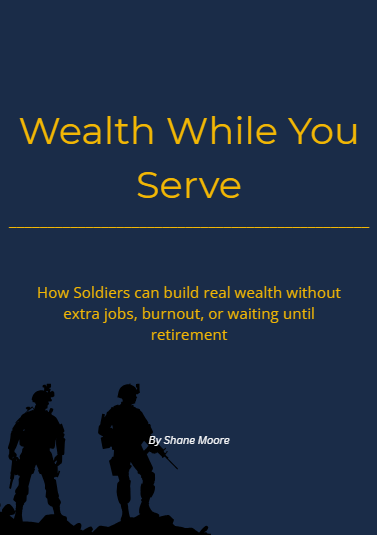
Ready to Start Building Wealth While You Serve?
Grab the free guide built for service members who want more than just survival mode. Whether you're in the barracks or deployed overseas, this is your first step toward real freedom.
Helping Soldiers Build Real Wealth While They Serve
We share practical tools, smart financial strategies, and military-friendly resources. Our goal is to help you stop just surviving and start building real freedom.

The information provided by Wealth While You Serve is for educational purposes only and does not constitute financial, legal, or tax advice. Always consult a qualified advisor before making financial decisions. Some links on this site are affiliate links, which means we may earn a small commission at no extra cost to you. This helps us continue offering free resources for military members and their families.
Created with ©systeme.io