
How to Avoid Overspending During R&R Leave
You can enjoy R&R fully without letting unnecessary expenses drain your long-term progress.

Disclosure:
This article is for educational purposes only and is not financial advice. Always do your own research or speak with a licensed advisor before making investment decisions.
Understand Why Overspending Happens During R&R
R&R often comes with emotional release and impulsive decisions. After months of stress, soldiers want comfort, convenience, or excitement. This makes spending feel justified in the moment. The problem is that emotional purchases rarely align with long-term goals. When you act from relief instead of intention, your budget becomes vulnerable. Awareness helps shift your mindset.
Family expectations can create financial pressure. Many soldiers feel obligated to “make up for lost time” by spending more than usual. While the intention is good, these decisions often lead to overspending on travel, outings, or gifts. Your family benefits more from stability than from impulsive purchases. Setting boundaries strengthens both relationships and finances. Clarity prevents stress later.
Rushed planning increases costs. Soldiers often book travel or activities last minute, which inflates prices significantly. Without early preparation, you end up paying premium rates for flights, lodging, and entertainment. Planning helps you control expenses rather than react to them. Rushed decisions create financial drag.
Unstructured time leads to unstructured spending. R&R offers freedom, but without a loose plan, money tends to disappear faster. When days are unplanned, restaurants, entertainment, and convenience purchases add up quickly. Creating simple structure reduces impulse spending and increases peace of mind.
Build a Spending Plan That Supports Rest Without Hurting Your Future
Set a clear budget before you leave. Decide how much you want to spend and align your activities around that number. A budget is not restrictive; it protects your long-term momentum while still allowing fun. When you know your limit, you avoid financial guilt later. Your future self will thank you.
Prioritize experiences over impulsive purchases. Most soldiers overspend on convenience, upgrades, or short-lived items. Experiences offer more meaning and less regret. Choosing activities intentionally reduces wasteful spending. This choice strengthens your discipline and aligns with long-term goals like your 56K Plan. Memory beats material.
Communicate your budget with the people you are spending time with. Whether with family or friends, transparency prevents misaligned expectations. This reduces pressure to overspend and improves the quality of your time together. People respect boundaries when you express them clearly. Communication saves money.
Limit credit card usage unless you have a repayment plan. R&R spending feels harmless until the bill arrives. Using cards intentionally prevents long-term drag. When in doubt, use cash or debit for discretionary spending. This creates healthier boundaries.
Protect Your Long-Term Progress Even While Taking a Break
Automate your investments before you leave. This ensures progress continues even if spending increases slightly during R&R. Automation removes the risk of skipping contributions. Consistency is what drives long-term outcomes, including your path toward your 3 Million Timeline. Set the system, then enjoy your time off.
Keep one or two “anchor habits” in place. These might include checking your budget weekly or monitoring one account. Anchor habits keep you grounded without taking away from your rest. Structure prevents careless overspending. Small habits protect big goals.
Plan low-cost days between high-cost days. You do not need constant spending to enjoy your leave. Alternating days provides balance and protects your budget. This simple structure makes the entire break feel more enjoyable. You return rested, not stressed.
Remember that R&R is temporary. Viewing it as a short season prevents long-term decisions from happening in short-term moments. Temporary experiences should not create permanent financial consequences. Awareness guides better choices.
Simple Ways to Avoid Overspending During R&R
Plan ahead. Early decisions cost less.
Pick a spending limit. Structure protects you.
Choose experiences, not impulse purchases. Meaning lasts longer.
Communicate expectations. Reduce pressure.
Stick to a simple plan. Rest should not equal regret.
Final Word
R&R should restore you, not set you back. When you plan intentionally, communicate clearly, and stay disciplined with your spending, you enjoy your time off without losing momentum. Soldiers who control their R&R spending stay grounded, stable, and ready for the future. Rest and discipline can work together.
Recommended Tools for Soldiers
💰 Budgeting Apps Hub Track R&R spending and maintain control even during time off.
🧠 Credit Monitoring Hub Keep your credit protected while traveling and prevent accidental overspending.
More to explore:
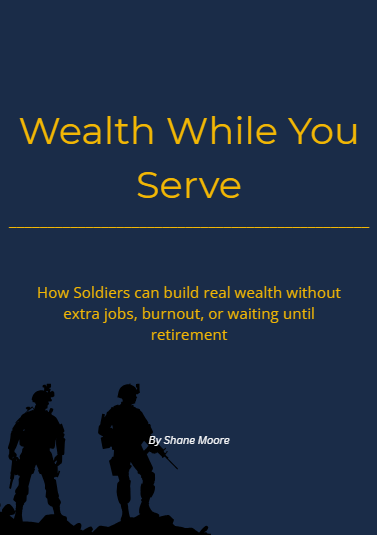
Ready to Start Building Wealth While You Serve?
Grab the free guide built for service members who want more than just survival mode. Whether you're in the barracks or deployed overseas, this is your first step toward real freedom.
Helping Soldiers Build Real Wealth While They Serve
We share practical tools, smart financial strategies, and military-friendly resources. Our goal is to help you stop just surviving and start building real freedom.

The information provided by Wealth While You Serve is for educational purposes only and does not constitute financial, legal, or tax advice. Always consult a qualified advisor before making financial decisions. Some links on this site are affiliate links, which means we may earn a small commission at no extra cost to you. This helps us continue offering free resources for military members and their families.
Created with ©systeme.io