
How to Plan Financially for Guard and Reserve Training
Guard and Reserve training changes income timing, which means cash flow must be managed differently than active duty pay.

Drill pay comes monthly or quarterly. Annual training compresses time and may disrupt civilian income. Because part-time military service layers on top of civilian employment, coordination becomes critical. This is where structure protects stability.
Disclosure:
This article is for educational purposes only and is not financial advice. Always do your own research or speak with a licensed advisor before making investment decisions.
Why Guard and Reserve Income Requires Planning
Drill pay is predictable but smaller than active duty pay. Weekend earnings supplement civilian income. Even though it feels like bonus money, it is structured compensation because service is ongoing. This is where clarity prevents misallocation.
Annual training can interrupt civilian cash flow. Civilian employers vary in how they handle military leave. Because gaps may appear temporarily, forward planning prevents stress. This is where anticipation matters most.
Expense timing shifts around travel and lodging. Reimbursements may not arrive instantly. Even though entitlements exist, upfront costs can strain liquidity because timing matters more than totals. Buffer funds protect flexibility.
Tax treatment may differ across pay types. Withholding varies between civilian and military earnings. Because multiple income streams complicate planning, proactive tax review prevents surprises later. Awareness reduces friction.
How Disciplined Soldiers Structure Guard and Reserve Finances
They treat drill pay as intentional allocation money. Defined categories remove ambiguity. Because structure prevents spending drift, directing drill income toward savings or investing accelerates growth. This builds consistency.
They maintain a short-term buffer for annual training gaps. Liquidity prevents stress. Even though reimbursements come, delays can strain cash flow because expenses arrive first. Cushion equals control.
They coordinate with civilian employers early. Transparency reduces income uncertainty. Because communication clarifies expectations, planning becomes proactive rather than reactive. This strengthens stability.
They adjust tax withholding when necessary. Dual income streams complicate liability. Even though tax season feels distant, quarterly awareness prevents large surprises. Planning protects margin.
Common Guard and Reserve Money Mistakes
Spending drill pay casually. Structure disappears.
Failing to plan for delayed reimbursements. Cash flow tightens.
Ignoring tax coordination. Bills appear unexpectedly.
Stopping investing during training months. Momentum slows.
Why This Matters Long Term
Structured use of part-time military pay strengthens foundations. Directing drill income intentionally reinforces the 56K Plan discipline even outside active duty.
Consistent investing multiplies dual income streams. Allocating supplemental pay strategically reinforces the $3 Million Timeline with steady compounding.
Stability increases. Coordinated planning reduces stress during annual training.
Optionality expands. Extra income streams provide flexibility for education, transition, or reintegration into active service.
Practical ways to plan around Guard and Reserve training cycles
Allocate drill pay to a specific goal before it hits your account. Intent drives behavior.
Maintain at least one month of expenses in reserve. Liquidity protects stability.
Review tax withholding after annual training. Adjust early to avoid surprises.
Continue automated investing during training months. Momentum should not pause.
Final Word
Guard and Reserve service creates layered opportunity.
The mistake is treating part-time pay casually. Soldiers who structure drill income and anticipate training disruptions build stability that supports long-term growth.
Plan ahead.
Coordinate income streams.
Build wealth while you serve.
Recommended Tools for Soldiers
🏦 Banks Hub – Reliable banking helps manage multiple income streams and reimbursement timing.
📈 Investing Hub – Investing platforms allow consistent contributions from both civilian and military income sources.
More to explore:
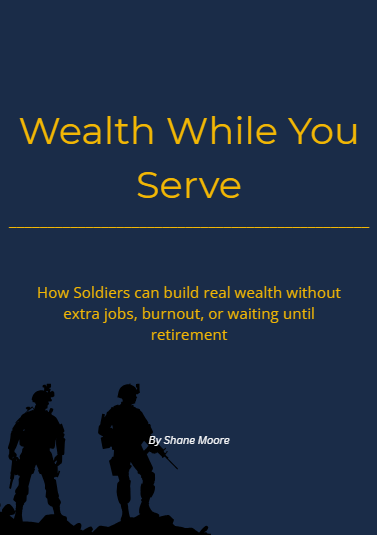
Ready to Start Building Wealth While You Serve?
Grab the free guide built for service members who want more than just survival mode. Whether you're in the barracks or deployed overseas, this is your first step toward real freedom.
Helping Soldiers Build Real Wealth While They Serve
We share practical tools, smart financial strategies, and military-friendly resources. Our goal is to help you stop just surviving and start building real freedom.

The information provided by Wealth While You Serve is for educational purposes only and does not constitute financial, legal, or tax advice. Always consult a qualified advisor before making financial decisions. Some links on this site are affiliate links, which means we may earn a small commission at no extra cost to you. This helps us continue offering free resources for military members and their families.
Created with ©systeme.io