
Why Planning for Civilian Housing Costs Early Prevents Stress
The biggest financial shock after leaving the Army is the cost of housing, and early planning prevents panic.

Disclosure:
This article is for educational purposes only and is not financial advice. Always do your own research or speak with a licensed advisor before making investment decisions.
Why Civilian Housing Hits Harder Than Soldiers Expect
Most soldiers underestimate rent outside the military. BAH creates a predictable system, but the civilian market fluctuates wildly. High deposits, pet fees, and application costs stack up quickly. This creates stress during transition. Stress weakens discipline. Weak discipline leads to poor decisions.
Civilian housing markets move fast. Renting or buying requires quick decisions and upfront cash. Soldiers who are not financially prepared rush into bad choices. Bad choices create long-term strain. Strain reduces stability. Stability requires planning.
Utilities cost far more than soldiers expect. Heating, cooling, water, trash, and internet piles onto the base rent. Unprepared soldiers underestimate these costs by hundreds each month. Underestimation creates budget pressure. Pressure increases stress.
Variable costs make budgeting difficult. Unlike the predictable BAH system, civilian housing fluctuates with the market and location. These fluctuations surprise unprepared soldiers. Surprises create instability. Instability weakens confidence.
The 56K Plan helps soldiers build enough cushion to transition into civilian housing with confidence. Preparation reduces stress.
How Early Planning Reduces Stress
Start researching civilian housing twelve to eighteen months before ETS. Early awareness reduces shock and helps you understand real market prices. Reduced shock improves clarity. Clarity increases confidence. Confidence improves planning.
Calculate real monthly costs, not just rent. Include utilities, renters insurance, parking, transportation, and groceries. A complete budget prevents unexpected strain. Preventing strain strengthens discipline. Discipline improves outcomes.
Build a dedicated housing fund. This fund covers deposits, first-month rent, furniture, and emergency needs. Separate accounts prevent accidental spending. Separation improves accountability. Accountability supports better decisions.
Consider temporary housing options. Short-term rentals or staying with family briefly can create breathing room between ETS and signing a lease. Breathing room reduces stress. Less stress improves decision-making. Better decisions strengthen stability.
Use your research to shape your post-ETS job search. Knowing housing costs helps you target locations with better affordability. Better affordability improves long-term financial health. Health strengthens momentum toward the 3 Million Timeline.
How to Prepare for Civilian Housing the Right Way
Save aggressively during the final twelve months of service. This creates the cushion needed for deposits and early expenses. Cushion reduces stress. Reduced stress improves discipline. Improved discipline supports long-term progress.
Visit your target city before ETS if possible. Seeing neighborhoods firsthand prevents mistakes. Better information leads to better choices. Better choices strengthen confidence. Confidence supports stability.
Use calculators to test different budget outcomes. Soldiers gain perspective when they model high, average, and low-cost scenarios. Perspective reduces anxiety. Reduced anxiety increases clarity. Clarity strengthens planning.
Plan transportation with housing in mind. Commute length, fuel, insurance, and parking all impact your budget. Understanding these helps you avoid financial surprises. Avoiding surprises strengthens discipline.
Discuss decisions with your family early. Shared clarity prevents disagreements and builds trust. Trust supports stable planning. Stable planning protects long-term goals.
Why Early Housing Planning Protects Your Freedom
It reduces financial pressure during ETS.
It prevents rushed decisions that cost thousands.
It builds confidence during transition.
It supports stronger job choices.
It prepares you for civilian life from a position of strength.
Final Word
Civilian housing is one of the biggest financial shocks after service, but early planning removes stress and gives you control over your next chapter.
Recommended Tools for Soldiers
🏦 Banks Hub – organize a dedicated civilian housing fund.
🪙 High-Yield Savings Hub – store housing deposits and emergency money safely.
More to explore:
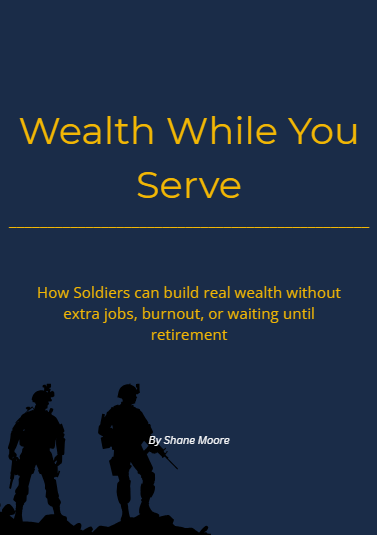
Ready to Start Building Wealth While You Serve?
Grab the free guide built for service members who want more than just survival mode. Whether you're in the barracks or deployed overseas, this is your first step toward real freedom.
Helping Soldiers Build Real Wealth While They Serve
We share practical tools, smart financial strategies, and military-friendly resources. Our goal is to help you stop just surviving and start building real freedom.

The information provided by Wealth While You Serve is for educational purposes only and does not constitute financial, legal, or tax advice. Always consult a qualified advisor before making financial decisions. Some links on this site are affiliate links, which means we may earn a small commission at no extra cost to you. This helps us continue offering free resources for military members and their families.
Created with ©systeme.io