
Should You Use a Personal Loan for PCS Expenses
Solve short-term pressure without creating long-term problems

PCS moves create financial pressure fast. Expenses hit before reimbursements arrive, timelines move quickly, and it can feel like you’re constantly playing catch-up. Because of that, personal loans start to look like a simple solution.
They’re quick. They’re accessible. They solve the immediate problem.
But what they actually do is turn a short-term cash gap into a long-term financial obligation. And if that decision isn’t structured correctly, it can quietly slow down your progress for months or even years.
Disclosure:
This article is for educational purposes only and is not financial advice. Always do your own research or speak with a licensed advisor before making investment decisions.
Why Personal Loans Feel Like the Easy Answer
PCS expenses come upfront, which creates a gap before reimbursements hit your account and makes borrowing feel necessary That timing pressure is real. When money is going out faster than it’s coming in, stress increases quickly. Stress leads to faster decisions. Faster decisions often ignore long-term impact. That’s where problems start.
Personal loans are easy to access, which lowers the barrier to taking on debt even when better options may exist Convenience removes friction. But friction is what protects you from bad decisions. Without it, borrowing becomes the default. Default decisions are rarely the best ones. Structure matters more than access.
The loan solves the immediate problem, which makes it feel like the right move even if it creates a longer-term issue Immediate relief feels like progress. But progress is about long-term positioning. If the solution creates future pressure, it’s not actually solving the problem. It’s just delaying it.
Most soldiers don’t evaluate the full cost of borrowing, which means the long-term impact is underestimated at the time of the decision Interest, repayment timelines, and reduced flexibility all matter. Ignoring them creates blind spots. Blind spots lead to poor outcomes. Clarity improves decisions.
When a Personal Loan Might Make Sense
If it replaces higher-interest debt, a personal loan can reduce your overall financial burden and improve your position Lower interest changes the math. Reduced cost improves flexibility. Improved flexibility supports your system. But this only works if it’s replacing something worse.
If you have a clear repayment plan that fits your system, the loan becomes predictable instead of creating ongoing pressure Predictability improves control. Control supports consistency. Consistency builds results. Without a plan, the loan becomes a problem.
If your financial foundation is already stable, taking on a controlled obligation will not disrupt your overall progress Stability is the baseline. Without it, risk increases. Strong systems can absorb structured decisions. Weak systems cannot.
If you’ve already explored alternatives and determined this is the most efficient option, the decision becomes intentional instead of reactive Intentional decisions lead to better outcomes. Reactive ones create problems. This is where discipline matters.
When You Should Avoid Using a Personal Loan
If you’re borrowing purely for convenience instead of necessity
If repayment will reduce your ability to invest or maintain your system
If you don’t have a clear payoff timeline
If you’re already managing other debt obligations
These situations increase long-term risk significantly.
Why This Matters Long Term
Avoiding unnecessary borrowing supports the 56K Plan because it protects your ability to consistently save and invest early in your career Consistency builds your foundation. Interruptions slow your progress. Strong systems stay active.
Making disciplined borrowing decisions supports the $3 Million Timeline because minimizing debt allows your investments to compound without interference Compounding depends on consistency. Debt reduces that consistency. Control improves long-term outcomes.
Reducing financial pressure improves decision-making because your system stays stable instead of reacting to short-term stress Stability creates clarity. Clarity improves execution. Better execution leads to better results.
Building structured decision habits improves long-term success because your system becomes intentional instead of reactive Intentional systems perform better over time.
Steps that help you stay in control
Create a PCS buffer fund before your move so that you reduce the need to borrow in the first place This is a loss-prevention strategy that protects your system. Without it, borrowing becomes more likely. Preparation reduces risk.
Use tools from the 🏦 Banks Hub to separate PCS funds from your normal spending so that you maintain clarity and control during the transition Separation improves awareness. Awareness improves decisions. Better decisions protect your progress.
Delay borrowing decisions when possible so that you can evaluate better options instead of reacting under pressure Time improves clarity. Clarity improves outcomes. Rushed decisions create problems.
If you do borrow, choose the shortest repayment timeline possible so that you reduce long-term cost and return to full flexibility faster Shorter timelines reduce impact. Reduced impact improves long-term growth.
Final Word
A personal loan can feel like a solution during a PCS, especially when everything is moving fast and expenses are stacking up. But most of the time, it’s not solving the problem. It’s just extending it.
The soldiers who stay ahead are not the ones who avoid every financial challenge. They are the ones who refuse to turn short-term pressure into long-term setbacks. They prepare when they can, stay disciplined when things get tight, and make decisions that protect their system instead of weakening it.
Because at the end of the day, borrowing is not the issue. The issue is whether it strengthens your position or quietly works against it. If it supports your system, it can be useful. If it creates pressure later, it is not worth it.
Stay in control, stay intentional, and keep building real wealth while you serve.
Recommended Tools for Soldiers
🛡️ Insurance Hub – Protect your finances during transitions so unexpected costs don’t force you into debt.
💳 Credit Cards Hub – Use short-term financing strategically when appropriate without creating long-term financial damage.
More to explore:
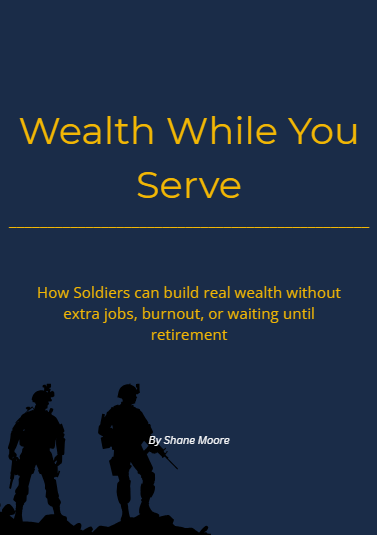
Ready to Start Building Wealth While You Serve?
Grab the free guide built for service members who want more than just survival mode. Whether you're in the barracks or deployed overseas, this is your first step toward real freedom.
Helping Soldiers Build Real Wealth While They Serve
We share practical tools, smart financial strategies, and military-friendly resources. Our goal is to help you stop just surviving and start building real freedom.

The information provided by Wealth While You Serve is for educational purposes only and does not constitute financial, legal, or tax advice. Always consult a qualified advisor before making financial decisions. Some links on this site are affiliate links, which means we may earn a small commission at no extra cost to you. This helps us continue offering free resources for military members and their families.
Created with ©systeme.io