
How to Plan Spending Around PCS Moves
PCS chaos does not have to derail financial progress

Disclosure:
This article is for educational purposes only and is not financial advice. Always do your own research or speak with a licensed advisor before making investment decisions.
PCS moves strain finances because spending becomes reactive
PCS seasons introduce uncertainty that encourages reactive spending. Timelines shift, orders change, and information is often incomplete. When uncertainty increases, soldiers default to convenience and speed over cost. Convenience spending feels justified in the moment because everything feels temporary. Temporary decisions still have permanent financial impact. Without a plan, small decisions stack into major setbacks.
Temporary expenses feel permanent when they hit all at once. Lodging, food, transportation, deposits, and replacement items pile up quickly. Because each expense feels justified, soldiers often stop tracking altogether. When tracking stops, awareness disappears. Without awareness, overspending becomes invisible. Recovery takes much longer than expected.
Disrupted routines weaken otherwise solid financial systems. Automation pauses, accounts change, and attention shifts to logistics. Even disciplined soldiers experience system breakdowns during PCS moves. When systems break, progress stalls. Soldiers often tell themselves they will restart later. Restarting always costs more than maintaining.
Stress amplifies short-term decision-making. PCS moves are mentally exhausting. Under stress, long-term thinking narrows. Soldiers prioritize immediate comfort over future stability. This is how debt and spending creep sneak in. Awareness during stress matters more than awareness during calm periods.
The 56K Plan assumes consistency through transitions. PCS moves are the real test of discipline. Planning spending ahead of time protects momentum. Momentum protected early compounds later. Transitions should slow progress temporarily, not reset it.
Why soldiers underestimate the financial impact of PCS moves
Moves are treated as unavoidable chaos instead of manageable disruption. Chaos feels uncontrollable, so planning feels pointless. In reality, partial planning still reduces damage. Accepting chaos as total removes accountability. Accountability is what protects systems.
Short-term thinking dominates during PCS seasons. Soldiers focus on getting through the move, not maintaining progress. Long-term goals feel distant and abstract. That mindset creates permission to overspend. Overspending extends recovery time after arrival.
Allowances are misunderstood or delayed. Reimbursements rarely line up perfectly with expenses. Timing mismatches create temporary cash strain. Without buffers, that strain turns into debt. Planning for delays prevents panic decisions.
Tracking often stops completely. Soldiers pause budgeting because spending feels abnormal. Abnormal periods still count financially. Pausing tracking removes guardrails. Guardrails matter most during disruption.
Few soldiers build a recovery plan before the move. Without a reset plan, momentum stays broken longer than necessary. Recovery should be intentional. Intentional recovery shortens the disruption window.
Planned PCS spending protects long-term momentum
Planning restores control during uncertainty. Control reduces stress and improves decisions. Better decisions preserve progress.
Buffers absorb timing mismatches. Stability prevents debt reliance.
Maintained systems reduce restart friction. Continuity matters.
The $3 Million Timeline depends on staying invested through transitions. Interruptions reduce compounding time.
Momentum preserved early shortens recovery later. Discipline compounds.
Practical ways to plan spending before a PCS
Build a PCS-specific buffer ahead of orders.
List expected temporary expenses in advance.
Keep automation active whenever possible.
Track spending weekly during the move.
Create a post-PCS financial reset date.
Final Word
PCS moves are unavoidable, but financial damage is not. Soldiers who plan spending intentionally during transitions protect years of progress from being undone by a few chaotic months. The goal is not perfection during a move. The goal is continuity.
When systems are protected through disruption, recovery becomes faster and less stressful. Over a full career, that difference compounds into real freedom, even when orders keep changing.
Recommended Tools for Soldiers
🏦 Banks Hub Helps manage account changes and cash flow during transitions.
💰 Budgeting Apps Hub Maintains visibility when routines are disrupted.
More to explore:
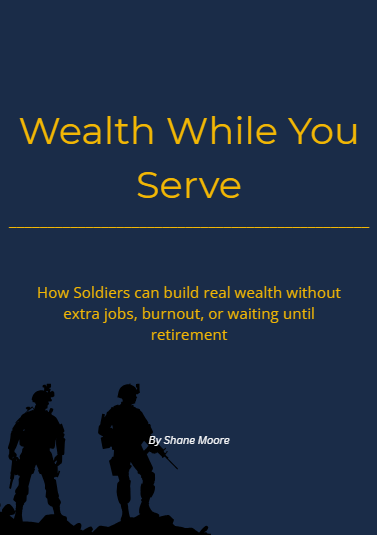
Ready to Start Building Wealth While You Serve?
Grab the free guide built for service members who want more than just survival mode. Whether you're in the barracks or deployed overseas, this is your first step toward real freedom.
Helping Soldiers Build Real Wealth While They Serve
We share practical tools, smart financial strategies, and military-friendly resources. Our goal is to help you stop just surviving and start building real freedom.

The information provided by Wealth While You Serve is for educational purposes only and does not constitute financial, legal, or tax advice. Always consult a qualified advisor before making financial decisions. Some links on this site are affiliate links, which means we may earn a small commission at no extra cost to you. This helps us continue offering free resources for military members and their families.
Created with ©systeme.io