
Why Couples Should Treat PCS Moves as Financial Events
A PCS is not just a move. It is one of the biggest financial disruptions in Army life.

Most couples treat PCS season as a logistics problem. Boxes, dates, housing, and travel dominate the conversation. Money often gets addressed last, if at all. That approach quietly creates stress, lost progress, and preventable setbacks. PCS moves should be planned the same way you would plan any major financial event, because that is exactly what they are.
Disclosure:
This article is for educational purposes only and is not financial advice. Always do your own research or speak with a licensed advisor before making investment decisions.
Why PCS Moves Create Financial Stress So Quickly
Cash flow changes all at once. BAH rates shift, travel costs hit early, reimbursements come late, and pay adjustments lag behind reality. Even when everything is eventually reimbursed, timing mismatches strain accounts in the short term.
Expenses show up before clarity does. Deposits, temporary lodging, fuel, meals, and setup costs often hit before new housing or allowances are finalized. Couples who do not plan for that gap end up reacting instead of choosing.
Decision fatigue leads to overspending. PCS season is exhausting. When energy is low, convenience wins. Small unplanned expenses stack quickly when every decision feels urgent.
Each move resets habits. Budget routines, savings plans, and investing systems often get paused during transitions. Many couples never fully restart them after arrival.
The Hidden Costs Couples Rarely Plan For
Opportunity cost of disruption. Money that sits idle or gets spent impulsively during a PCS is money that stops compounding. Even short interruptions have long-term impact.
Temporary housing creep. Hotels, short-term rentals, and eating out feel justified during a move. Without limits, those costs expand far beyond what was expected.
Furniture and setup spending. New spaces trigger new purchases. What starts as necessities quickly turns into lifestyle upgrades if no guardrails exist.
Emotional spending. Stress relief purchases feel harmless in the moment. Over a PCS season, they quietly drain momentum.
How Disciplined Couples Plan PCS Moves Financially
They treat the move like a known expense. PCS moves are expected events, not surprises. Planning starts months in advance instead of during travel.
They build a PCS buffer. Separate savings for moves prevent disruption to emergency funds and investing.
They delay major upgrades. Big purchases wait until income, housing, and routines stabilize.
They restart systems quickly. Budgeting and investing get reactivated intentionally, not passively.
Why This Pays Off Long Term
Smooth transitions protect early momentum. Planning PCS moves supports the 56K Plan by preventing resets during critical early years.
Consistency compounds across moves. Avoiding repeated disruptions strengthens the $3 Million Timeline by keeping money working through every assignment.
Stress stays lower for the whole family. Financial clarity reduces tension during already difficult transitions.
Flexibility increases. Couples who plan moves well keep more options open instead of recovering for months afterward.
Simple ways to plan PCS moves financially
Create a dedicated PCS savings buffer.
Estimate total move costs early, not just reimbursable ones.
Delay non-essential purchases until life stabilizes.
Restart financial systems immediately after arrival.
Final Word
PCS moves do not have to derail progress.
Couples who treat relocations as financial events protect their momentum, reduce stress, and arrive ready to move forward instead of catch up. Planning does not remove the chaos, but it keeps money from adding to it.
Plan the move.
Protect your systems.
Keep building freedom through every PCS while you serve.
Recommended Tools for Soldiers
🏠 VA Loans Hub
Housing decisions around PCS moves work best when timing, affordability, and long-term plans are aligned.
🪙 High-Yield Savings Hub
High-yield savings accounts are ideal for PCS buffers so money is ready when timing gaps appear.
More to explore:
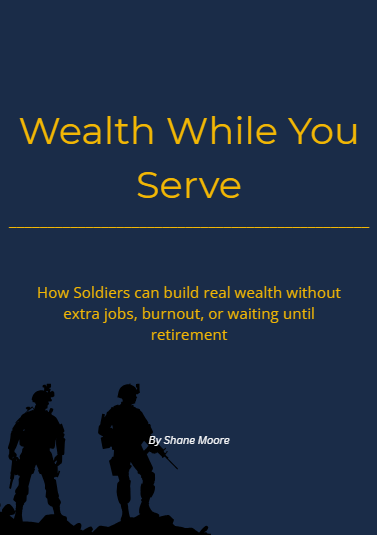
Ready to Start Building Wealth While You Serve?
Grab the free guide built for service members who want more than just survival mode. Whether you're in the barracks or deployed overseas, this is your first step toward real freedom.
Helping Soldiers Build Real Wealth While They Serve
We share practical tools, smart financial strategies, and military-friendly resources. Our goal is to help you stop just surviving and start building real freedom.

The information provided by Wealth While You Serve is for educational purposes only and does not constitute financial, legal, or tax advice. Always consult a qualified advisor before making financial decisions. Some links on this site are affiliate links, which means we may earn a small commission at no extra cost to you. This helps us continue offering free resources for military members and their families.
Created with ©systeme.io