
How to Handle Money During Military Training Phases
Training phases shape the financial habits that guide the rest of a soldier’s career.

Disclosure:
This article is for educational purposes only and is not financial advice. Always do your own research or speak with a licensed advisor before making investment decisions.
Why Training Phases Create Money Problems
Training removes your ability to control your environment. With strict schedules, limited access to banking tools, and no time to track spending, many soldiers lose awareness of where their money is going. This loss of awareness leads to surprise expenses and disorganized habits. Understanding these limits helps you prepare before training begins.
New soldiers face pressure to buy unnecessary gear or upgrades. Companies near bases target trainees with emotional marketing, making it easy to spend on items you do not need. These purchases drain money before habits are formed. Recognizing these traps early protects your progress.
Pay feels larger than it actually is. Without bills or major expenses, trainees often spend freely thinking the money will last. This mindset creates bad habits that follow them into the barracks. Early misunderstanding creates long-term issues.
Peer pressure grows rapidly inside training environments. When everyone around you buys snacks, accessories, or comfort items, it becomes difficult to stay disciplined. Group habits shape early financial behavior. Awareness helps you resist these patterns.
Training phases are the first test of discipline behind the 56K Plan. Early decisions create the habits that follow you for years. Training is the foundation for everything that comes next.
How to Manage Money During Training
Set up automatic transfers before shipping out. Once training starts, you will not have the time or flexibility to manage your money manually. Automation keeps your progress on track even when your schedule becomes overwhelming. It protects your savings from impulsive spending.
Use a simple budget that trains discipline. Even if your expenses are small, building a structure early makes future habits easier. A basic plan helps you stay aware of your paycheck and prevents waste. Early structure builds long-term discipline.
Avoid emotional purchases that feel comforting in the moment. These expenses add up quickly and undermine your long-term potential. Focusing on your goals helps you stay centered. Emotional purchases often come from boredom or pressure.
Track your spending weekly once you reach AIT. Awareness grows as your freedom increases. Tracking ensures you do not recreate bad habits. Awareness is one of your strongest tools for stability.
Make your first savings moves early and consistently. Even small contributions build momentum. Early savings reinforce identity and confidence. These habits support your long-term path toward the 3 Million Timeline.
How to Stay Disciplined Through Training
Remember that training is temporary. The strict environment can create emotional pressure, but your financial decisions during this time have long-term impact. Keeping perspective reduces stress.
Limit barracks spending once you gain more freedom. Snacks, drinks, gaming, and outings drain money quickly. Awareness helps you create better routines.
Connect your early habits to your long-term goals. Every disciplined decision supports your financial future. Early habits build lifelong stability.
Stay aware of marketing aimed at new soldiers. Many businesses rely on young soldiers making emotional purchases. Awareness protects your progress.
Build positive routines outside spending. Fitness, learning, reading, or connecting with peers strengthens your discipline. Strong routines reduce the pull of emotional spending.
How Training Phases Strengthen Long-Term Freedom
They shape your financial identity early. Identity guides lifelong decisions.
They build the discipline that supports your goals. Strong habits protect your future.
They reduce long-term stress by creating structure. Structure makes your path clear.
They support consistent progress through your first enlistment. Consistency builds stability.
They create a foundation that accelerates long-term goals. These early habits support major milestones.
Final Word
Training phases create your earliest financial habits, and these habits shape your entire career. When you build discipline, avoid emotional spending, and set up structure early, you create momentum that lasts for years. These habits support your progress through the 56K Plan and strengthen your long-term stability.
Recommended Tools for Soldiers
🏠 VA Loans Hub – understand early how future housing decisions will shape your finances.
🪙 High-Yield Savings Hub – store early savings where they grow safely and consistently.
More to explore:
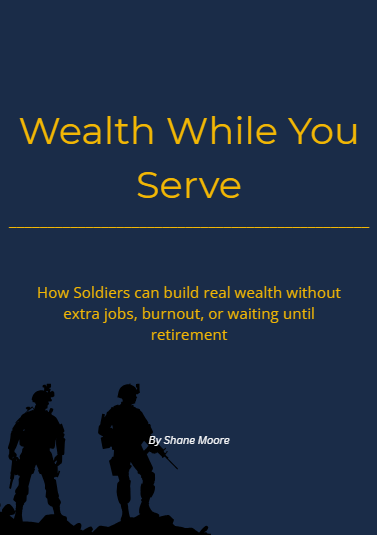
Ready to Start Building Wealth While You Serve?
Grab the free guide built for service members who want more than just survival mode. Whether you're in the barracks or deployed overseas, this is your first step toward real freedom.
Helping Soldiers Build Real Wealth While They Serve
We share practical tools, smart financial strategies, and military-friendly resources. Our goal is to help you stop just surviving and start building real freedom.

The information provided by Wealth While You Serve is for educational purposes only and does not constitute financial, legal, or tax advice. Always consult a qualified advisor before making financial decisions. Some links on this site are affiliate links, which means we may earn a small commission at no extra cost to you. This helps us continue offering free resources for military members and their families.
Created with ©systeme.io