
Why Mental Health and Money Health Are Connected
You cannot separate your financial well-being from your emotional well-being. They strengthen or weaken each other.

Disclosure:
This article is for educational purposes only and is not financial advice. Always do your own research or speak with a licensed advisor before making investment decisions.
Financial Stress Directly Impacts Emotional Health
Money problems increase anxiety and overwhelm. When bills pile up or unexpected expenses hit, stress rises quickly. Soldiers already face demanding schedules, training pressure, and unpredictable environments. Financial uncertainty adds emotional strain that affects sleep, mood, and decision-making. This creates a cycle that is difficult to break without awareness. Stress begins to spread into other areas of life.
Financial chaos reduces your sense of control. When money feels unpredictable, soldiers often experience frustration or hopelessness. This lack of control impacts self-esteem and emotional resilience. Over time, it becomes harder to make good decisions because stress takes over. Soldiers with structured financial systems often report feeling more grounded. Money stability increases emotional stability.
Debt increases emotional burden. Carrying balances feels heavy, especially when interest grows faster than progress. Soldiers may feel shame, avoidance, or guilt related to their financial situation. These emotions slow improvement and reduce confidence. Awareness and structure reverse the pattern. Mental health improves alongside financial clarity.
Financial instability affects relationships. Money disagreements increase tension at home, especially during PCS transitions, deployments, or unexpected expenses. Clear systems reduce conflict and help families communicate better. Healthy finances create healthy relationships.
Emotional Health Shapes Financial Behavior
Stress triggers impulsive spending. When emotions run high, spending becomes a coping mechanism. Soldiers experiencing stress may buy convenience items, upgrades, or entertainment to feel temporary relief. These decisions reduce long-term financial stability. Awareness of emotional triggers strengthens discipline.
Low energy or burnout reduces financial engagement. When mental health suffers, tasks like budgeting, bill paying, and planning feel overwhelming. Soldiers may disconnect from their finances, leading to missed opportunities or avoidable problems. Emotional health supports consistency. Stability grows when engagement grows.
Confidence impacts your willingness to invest and plan. Soldiers with low confidence often avoid financial decisions because they fear making mistakes. This slows momentum toward goals like your 56K Plan. Improving emotional health increases clarity, courage, and long-term discipline. Confidence strengthens financial identity.
Mental clarity improves decision-making. When you feel grounded, you evaluate options more effectively. You think about the long-term impact rather than the immediate emotional relief. This helps you stay aligned with your goals, including milestones in your 3 Million Timeline. Emotional strength increases financial strength.
Healthy Money Habits Improve Your Mental Health Over Time
Budgeting reduces anxiety by providing structure. When you know where your money is going, stress decreases. Structure replaces uncertainty. Soldiers who budget consistently feel more confident.
Emergency savings create emotional stability. Even small savings reduce fear during unexpected events. Savings create a sense of safety and control. This calms the mind.
Consistent investing builds confidence and long-term peace. Watching your investments grow reinforces discipline and strengthens your sense of progress. It supports emotional resilience through career transitions. Momentum builds confidence.
Healthy financial habits create a more peaceful home environment. When finances are predictable, communication improves and tension decreases. A peaceful financial life supports overall well-being.
Simple Ways to Strengthen Both Mental and Financial Health
Check in with your budget weekly. Awareness reduces stress.
Practice small daily habits. Routine strengthens both mind and money.
Talk openly about money with trusted people. Silence increases stress.
Build small reserves. Cushion creates emotional relief.
Focus on progress, not perfection. Growth builds confidence.
Final Word
Mental health and money health move together. When one improves, the other follows. Soldiers who build discipline, structure, and awareness experience greater emotional stability and stronger financial outcomes. Your well-being and your wealth are connected. Strengthen them both and your future becomes much more secure.
Recommended Tools for Soldiers
🏠 VA Loans Hub Understand long-term financial commitments with clarity to reduce stress and confusion.
🪙 High-Yield Savings Hub Build savings that support your emotional and financial stability.
More to explore:
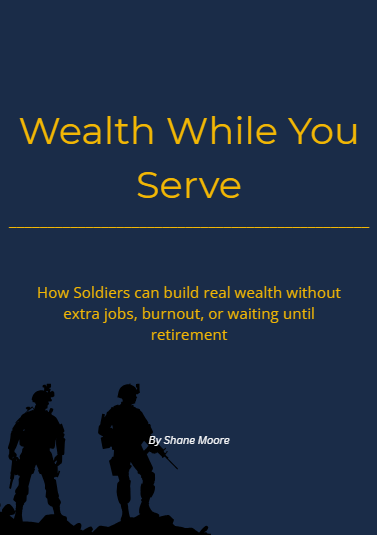
Ready to Start Building Wealth While You Serve?
Grab the free guide built for service members who want more than just survival mode. Whether you're in the barracks or deployed overseas, this is your first step toward real freedom.
Helping Soldiers Build Real Wealth While They Serve
We share practical tools, smart financial strategies, and military-friendly resources. Our goal is to help you stop just surviving and start building real freedom.

The information provided by Wealth While You Serve is for educational purposes only and does not constitute financial, legal, or tax advice. Always consult a qualified advisor before making financial decisions. Some links on this site are affiliate links, which means we may earn a small commission at no extra cost to you. This helps us continue offering free resources for military members and their families.
Created with ©systeme.io