
Why Meal Planning Saves More Than You Think
Discipline in the kitchen becomes discipline in your wallet.

Disclosure:
This article is for educational purposes only and is not financial advice. Always do your own research or speak with a licensed advisor before making investment decisions.
How Meal Planning Protects Your Paycheck
It stops impulse eating before it starts. Without a plan, hunger decides for you and hunger is expensive. A few unplanned takeout runs each week quietly eat hundreds a month. Writing out your meals and cooking once or twice weekly gives structure that protects your paycheck.
It reduces waste that hides in your trash. Groceries thrown away are dollars you already earned but never used. Planning around what you already have in your fridge or pantry turns leftovers into savings. Each avoided waste cycle directly adds to your monthly surplus.
It creates consistency in spending. Meal planning stabilizes grocery costs, which stabilizes your entire budget. When you can predict food expenses, you can confidently automate investing without fear of running short later.
Why This Habit Builds Long-Term Wealth
It turns saving into habit, not effort. Saving two hundred a month through meal planning equals twenty-four hundred a year, money that can fund the start of your 56K Plan. Multiply that across twenty years and you are feeding the same compounding that drives the $3 Million Timeline.
It improves health and energy. Better meals mean better focus and fewer sick days. Stronger performance leads to better PT results, higher readiness, and a career that supports consistent investing.
It teaches the mindset of preparation. Planning food for the week is no different from planning money for the month. Once you see the parallel, discipline becomes second nature.
How to Start Meal Planning Without Stress
Keep it simple. Pick three to four staple meals and rotate them. The goal is consistency, not culinary awards.
Shop once a week with a list. A written list keeps emotion out of the cart. You buy what you planned, not what caught your eye.
Batch-cook and store portions. Spending two hours on Sunday saves dozens of impulse moments during the week. Each prepared meal is a choice already made in your favor.
Final Word
Meal planning is more than a nutrition strategy; it is financial conditioning. Every soldier who learns to organize meals learns to organize money. That crossover of discipline compounds quietly over the years until it becomes freedom. Cook with intent, save with consistency, and let every well-planned meal serve your larger mission of financial independence.
Recommended Tools for Soldiers
👉 Budgeting Apps Hub – track grocery spending and visualize monthly savings.
👉 High Yield Savings Hub – deposit the difference each week to watch small choices turn into real growth.
More to explore:
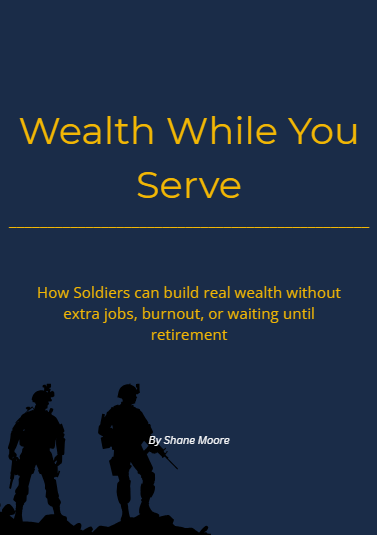
Ready to Start Building Wealth While You Serve?
Grab the free guide built for service members who want more than just survival mode. Whether you're in the barracks or deployed overseas, this is your first step toward real freedom.
Helping Soldiers Build Real Wealth While They Serve
We share practical tools, smart financial strategies, and military-friendly resources. Our goal is to help you stop just surviving and start building real freedom.

The information provided by Wealth While You Serve is for educational purposes only and does not constitute financial, legal, or tax advice. Always consult a qualified advisor before making financial decisions. Some links on this site are affiliate links, which means we may earn a small commission at no extra cost to you. This helps us continue offering free resources for military members and their families.
Created with ©systeme.io