
The Smart Way to Manage Pay During Training Phases
Training is your first real financial testing ground. The habits you build here follow you for the rest of your career.

Disclosure:
This article is for educational purposes only and is not financial advice. Always do your own research or speak with a licensed advisor before making investment decisions.
Why Training Phases Are the Best Time to Build Discipline
Your expenses are at their lowest point during Basic and AIT. You have no housing costs, no grocery bills, and limited spending opportunities. This creates a rare window where most of your paycheck can go toward savings instead of daily expenses. When new soldiers take advantage of this moment, they create a head start that pays off for years. This is why many soldiers successfully begin systems like the 56K Plan before ever reaching their first duty station. Low-cost environments are perfect for forming strong habits.
Training restricts your spending environment in a positive way. Without access to stores, entertainment, or fast food, your opportunities to overspend are naturally limited. Instead of trying to exercise pure willpower, you are protected by your routine and environment. This allows discipline to form naturally because you cannot easily make impulse purchases. When your environment works in your favor, financial progress becomes automatic. Training phases act like a reset button for healthy money habits.
You receive steady pay without the stress of managing complex expenses. Basic and AIT simplify your financial life because there are no rent payments, utility bills, or recurring purchases competing for your attention. This clarity gives you the mental space to start tracking your money, organizing accounts, and practicing simple budgeting. Early clarity prevents the confusion that many soldiers face later. Training is the perfect time to build the foundations that support long-term success.
Building discipline during training sets a lasting financial tone. The habits you develop during your first months in uniform stay with you long after you reach your first unit. Soldiers who begin their careers with structure carry that structure into deployments, PCS moves, promotions, and family life. Early discipline reduces stress later because your financial systems already exist when life becomes more demanding. A strong start creates confidence that supports your entire career.
How to Manage Your Pay Wisely During Training
Set up your bank accounts before or immediately upon arrival. Many new soldiers wait until later, which leads to disorganization and poor tracking. Starting early allows you to separate spending, saving, and investing into different accounts right away. This organization helps you understand where your money goes and prevents confusion once training becomes intense. When your accounts are clean from day one, financial clarity becomes much easier to maintain. This early structure supports long-term consistency.
Start automated savings immediately, even if the amount is small. Automating ten or twenty dollars begins shaping the mindset that part of your paycheck always goes toward your future. This simple automation grows stronger as your income increases after training. Soldiers who start automation early have an easier time maintaining habits through high-tempo seasons or deployments. Automated consistency compounds into major long-term results. This is one of the key habits that reinforces later goals like the 3 Million Timeline.
Avoid unnecessary purchases during authorized spending moments. Post Exchange trips during AIT often tempt soldiers into buying gaming systems, headphones, watches, and shoes they do not need. While these purchases feel exciting, they drain money that could be building far more stability. Establishing boundaries early helps you prevent impulsive habits from forming later in your career. Identifying wants versus needs becomes easier the earlier you practice it. Training is the best environment to build this discipline.
Create a simple budget that relies on percentages instead of dollar amounts. When you build your budget around percentages of your paycheck, it scales naturally with your rank and income increases. Training is the perfect time to choose these percentages because your expenses are stable and predictable. A percentage-based budget keeps you aligned with your goals without needing to redesign your system after every promotion. This structure becomes one of your most reliable tools throughout your career. Simplicity supports long-term success.
Why Good Money Habits Built in Training Last for Years
Training environments strengthen consistency through repetition. The daily structure of Basic and AIT reinforces habits because routines are predictable. When you attach financial behaviors to routine environments, those behaviors become second nature. This makes discipline easier when life becomes more flexible at your first duty station. Repetition builds habit strength that lasts longer than motivation alone. What you repeat in training becomes your default later.
You build identity at the same time you build habits. Training is where you learn what kind of soldier you want to be. If you build financial discipline alongside military discipline, the two identities reinforce each other. Seeing yourself as someone who handles money well increases your confidence and strengthens your long-term decisions. Financial identity becomes a protective factor against peer pressure and impulse spending. Strong identity leads to strong behavior.
Training removes emotional spending triggers. With no vehicles, no nightlife, and limited food options, many common spending pressures disappear. This creates space for habits based on logic instead of emotion. When these logic-based habits form early, you are less reactive when temptations appear later. This makes your decision making more resilient in the face of stress or unpredictability. Training shapes how you respond to money long after you graduate.
Strong habits created in training help you recover faster from later disruptions. PCS moves, deployments, and leadership responsibilities all disrupt routines. But soldiers with strong early habits re-stabilize their finances much faster after these transitions. Their systems are already built, so they simply return to them. This reduces financial anxiety during chaotic periods and makes long-term progress easier. A strong foundation absorbs stress instead of amplifying it.
Simple Ways to Manage Pay During Training
Automate savings early. Build habits before life gets complicated.
Avoid impulse spending. Protect your margin.
Organize your accounts. Keep clarity from day one.
Use percentage-based budgeting. Create structure that grows with you.
Final Word
Training phases are your financial starting line. The habits you build during these months determine how prepared you feel when pay increases, responsibilities grow, and life becomes more complex. By managing your pay intentionally from the beginning, you create a financial identity rooted in clarity and discipline. Those early decisions shape the freedom you experience later in your career. The sooner you start, the easier your entire financial journey becomes.
Recommended Tools for Soldiers
💰 Budgeting Apps Hub Track your spending habits from day one of your career.
📈 Investing Hub Begin building long-term wealth even with small contributions.
More to explore:
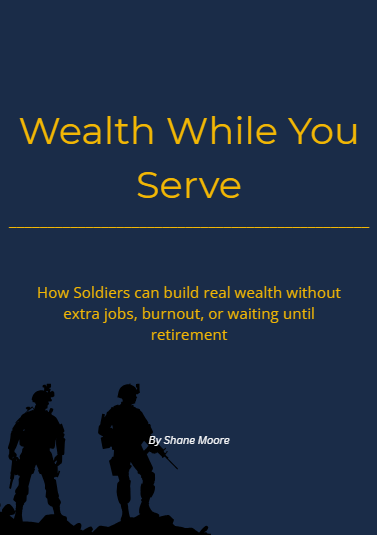
Ready to Start Building Wealth While You Serve?
Grab the free guide built for service members who want more than just survival mode. Whether you're in the barracks or deployed overseas, this is your first step toward real freedom.
Helping Soldiers Build Real Wealth While They Serve
We share practical tools, smart financial strategies, and military-friendly resources. Our goal is to help you stop just surviving and start building real freedom.

The information provided by Wealth While You Serve is for educational purposes only and does not constitute financial, legal, or tax advice. Always consult a qualified advisor before making financial decisions. Some links on this site are affiliate links, which means we may earn a small commission at no extra cost to you. This helps us continue offering free resources for military members and their families.
Created with ©systeme.io