
The Smart Way to Manage Money During Long Deployments
Long deployments can either strengthen your financial future or weaken it depending on your plan.

Disclosure:
This article is for educational purposes only and is not financial advice. Always do your own research or speak with a licensed advisor before making investment decisions.
Why Long Deployments Create Both Risk and Opportunity
Your income increases while expenses drop dramatically. This creates the best possible environment for building savings. But without structure, that advantage disappears quickly. Soldiers often overspend before or after deployment. Awareness protects progress. Protected progress strengthens discipline.
Access to spending is limited, but emotional pressure rises. Soldiers crave comfort items, gear, or purchases that break boredom. Emotional spending weakens long-term stability. When soldiers understand this pattern, they navigate deployment money with clarity. Clarity supports discipline. Discipline builds confidence.
Family spending can increase during deployments. Stress leads to comfort purchases at home as well. Without a plan, expenses creep upward quietly. Communication prevents surprises. Preventing surprises strengthens the financial system.
Special pays create confusion if not monitored closely. Hazard pay, FSA, and tax exclusions change LES patterns. Soldiers who do not check their LES regularly miss mistakes. Missed mistakes weaken long-term planning. Review protects your income.
The 56K Plan accelerates most during deployments due to natural structure. When distractions decrease, discipline becomes easier.
How to Build a Strong Deployment Money Plan
Set clear goals before leaving. Soldiers who define what they want from deployment stay focused longer. This prevents emotional spending early in the rotation. Clear goals reduce stress. Reduced stress improves discipline.
Automate contributions toward savings and investing. Automation protects your progress even during the busiest missions. This removes emotional decision-making entirely. Systems build confidence. Confidence strengthens your long-term plan.
Decide spending limits before deploying. Having a structure for online purchases prevents regret later. Limits reinforce discipline. Discipline protects compounding. Compounding supports long-term goals.
Coordinate with your spouse or family before leaving. A shared plan prevents confusion and surprise expenses. Clarity builds trust. Trust reduces pressure. Reduced pressure strengthens consistency.
Review your LES monthly even while deployed. Pay changes happen often in theater. Awareness protects your income. Protected income reduces financial stress. Reduced stress improves decision-making.
How to Avoid Common Deployment Money Mistakes
Avoid treating deployment like a shopping season. Soldiers often buy gear, electronics, or upgrades they do not need. These purchases drain future potential. Awareness reduces impulse. Reduced impulse strengthens discipline.
Do not assume all special pays will last the entire deployment. Changes in mission, location, or orders can shift entitlements. Understanding this prevents planning mistakes. Good planning prevents financial drift. Drift weakens progress.
Avoid taking on new monthly expenses while deployed. Subscriptions, payments, or financing commitments create problems when you return home. Simplifying your commitments protects stability. Stability supports freedom. Freedom increases confidence.
Protect your accounts with strong security habits. Deployments increase the risk of compromised devices and unsecured networks. Strong security prevents financial damage. Damage slows progress. Protection supports consistency.
Avoid sudden lifestyle inflation when you return home. Emotional spending after deployment is common. Preparing for this temptation in advance protects your progress toward long-term goals.
Why Long Deployments Can Transform Your Financial Future
They create the largest earning window in most soldiers’ early careers.
They eliminate many daily spending triggers.
They make automation easier and more powerful.
They strengthen discipline through routine and structure.
They accelerate long-term progress toward the 3 Million Timeline.
Final Word
Long deployments test discipline, but they also create the strongest opportunities for financial growth. When you use structure, awareness, and automation, you return home financially stronger and more prepared for long-term freedom.
Recommended Tools for Soldiers
💳 Credit Cards Hub – protect your accounts and manage purchases securely while deployed.
🛡️ Insurance Hub – safeguard your finances and protect your family during long rotations.
More to explore:
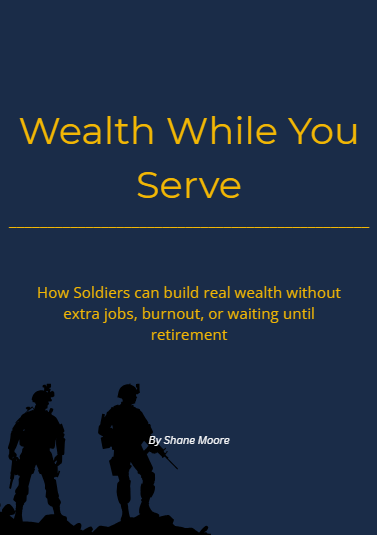
Ready to Start Building Wealth While You Serve?
Grab the free guide built for service members who want more than just survival mode. Whether you're in the barracks or deployed overseas, this is your first step toward real freedom.
Helping Soldiers Build Real Wealth While They Serve
We share practical tools, smart financial strategies, and military-friendly resources. Our goal is to help you stop just surviving and start building real freedom.

The information provided by Wealth While You Serve is for educational purposes only and does not constitute financial, legal, or tax advice. Always consult a qualified advisor before making financial decisions. Some links on this site are affiliate links, which means we may earn a small commission at no extra cost to you. This helps us continue offering free resources for military members and their families.
Created with ©systeme.io