
How to Manage Money During Training Schools
Training schools disrupt your routine, which means your financial discipline can drift quickly if you do not prepare intentionally.

TDY orders change daily structure. Housing shifts. Dining options change. Because your normal autopilot systems may not follow you to a new location, spending becomes reactive instead of planned. This is where most soldiers get tripped up. The environment changes faster than the budget.
Disclosure:
This article is for educational purposes only and is not financial advice. Always do your own research or speak with a licensed advisor before making investment decisions.
Why Training Schools Create Financial Drift
Daily structure becomes unpredictable. Class schedules shift. Study time increases. Even though income remains stable, spending patterns fluctuate because convenience becomes priority. This is where small leaks begin.
Meal routines change immediately. DFAC access may be inconsistent. Local restaurants become easier. Because eating out feels justified during busy weeks, food costs climb quietly. That shift compounds fast.
Temporary lodging creates incidental expenses. Laundry, transportation, and supply purchases increase. Even though each cost feels minor, stacked transactions inflate totals. This is where visibility matters most.
Peer spending pressure rises in group environments. Classmates plan group outings. Because bonding matters during professional development, it feels uncomfortable to decline frequently. This is where boundaries must be clear.
How Disciplined Soldiers Protect Their Budget During Schools
They create a temporary training budget before departure. Anticipation prevents reaction. Because new locations alter spending triggers, defining limits early creates guardrails. This is where clarity wins.
They separate reimbursable and non-reimbursable expenses. TDY entitlements vary. Even though per diem may cover certain costs, not every expense qualifies. Keeping categories distinct prevents confusion.
They automate savings before leaving. Contributions continue during the course. Because momentum should not pause for professional development, automation keeps progress steady. This stability reduces decision fatigue.
They pre-plan social spending intentionally. A fixed allowance for group activities maintains balance. Even though connection matters, structure prevents excess. That boundary protects long-term goals.
Common Financial Mistakes During Training Schools
Treating TDY like vacation. Structure disappears.
Assuming per diem covers everything. Gaps appear.
Pausing investing temporarily. Momentum weakens.
Failing to track daily spending. Awareness fades.
Why This Matters Long Term
Maintaining structure during disruption builds resilience. Stability during schools protects the 56K Plan instead of interrupting it.
Consistency under changing conditions strengthens discipline. That same habit reinforces the $3 Million Timeline over decades.
Stress stays lower. Bills do not surprise you after graduation.
Optionality increases. Professional growth does not derail financial progress.
Practical ways to stay disciplined during training schools
Set a temporary weekly spending cap before arrival. Boundaries prevent drift.
Track per diem usage daily. Clarity avoids overspending.
Pack essentials to reduce convenience purchases. Preparation lowers cost.
Keep automatic transfers running. Momentum matters more than location.
Final Word
Training schools advance your career. They should not reverse your financial momentum.
Soldiers who prepare for temporary disruptions build confidence that their system works anywhere, not just at home station. Discipline during change proves that the foundation is solid.
Prepare before you leave.
Protect your structure.
Build wealth while you serve.
Recommended Tools for Soldiers
🏦 Banks Hub – Military-friendly banks with strong mobile tools help soldiers track spending easily while away from their home duty station.
💰 Budgeting Apps Hub – Budgeting apps provide visibility into daily transactions so temporary environments do not weaken discipline.
More to explore:
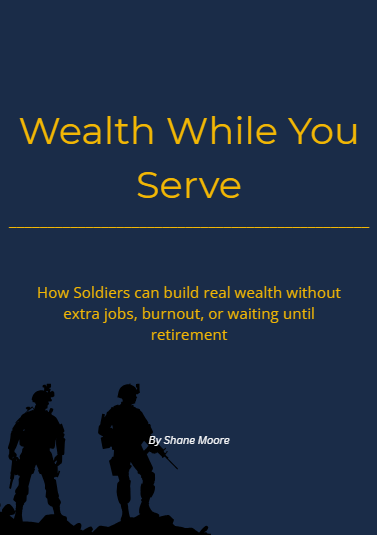
Ready to Start Building Wealth While You Serve?
Grab the free guide built for service members who want more than just survival mode. Whether you're in the barracks or deployed overseas, this is your first step toward real freedom.
Helping Soldiers Build Real Wealth While They Serve
We share practical tools, smart financial strategies, and military-friendly resources. Our goal is to help you stop just surviving and start building real freedom.

The information provided by Wealth While You Serve is for educational purposes only and does not constitute financial, legal, or tax advice. Always consult a qualified advisor before making financial decisions. Some links on this site are affiliate links, which means we may earn a small commission at no extra cost to you. This helps us continue offering free resources for military members and their families.
Created with ©systeme.io