
Why Long-Term Planning Separates Broke From Wealthy Veterans
The difference is rarely income. It’s preparation.

Disclosure:
This article is for educational purposes only and is not financial advice. Always do your own research or speak with a licensed advisor before making investment decisions.
Why Most Veterans Don’t Realize Planning Is the Real Divider
Many soldiers assume things will “work out” after service. Confidence in adaptability replaces concrete planning. Adaptability matters, but it does not replace preparation. Without preparation, decisions become reactive. Reactive decisions are usually expensive. Expense compounds quickly during transition.
The military provides structure that hides planning gaps. Pay, housing, healthcare, and routine are handled automatically. When that structure disappears, gaps surface immediately. Immediate gaps create pressure. Pressure narrows choices. Narrow choices limit outcomes.
Short-term thinking dominates during active service. Missions, rotations, and timelines keep focus close. Close focus delays future planning. Delayed planning compresses options later. Compressed options increase stress.
Planning feels abstract compared to daily demands. Abstract goals are easy to postpone. Postponement becomes habit. Habits shape outcomes far more than intentions.
How Early Planning Changes Post-Service Outcomes
Planning creates options before pressure exists. Options feel invisible until they’re needed. When they exist early, decisions stay calm. Calm decisions are usually better. Better decisions protect momentum.
This is where the 56K Plan quietly matters beyond service. Early accumulation creates flexibility. Flexibility absorbs transition costs. Absorbed costs prevent debt. Prevented debt preserves progress.
Planning aligns money, career, and lifestyle choices. Alignment reduces friction. Reduced friction lowers stress. Lower stress improves execution. Execution turns plans into reality.
Early planners adjust instead of scramble. Adjustments preserve dignity and control. Scrambling erodes both. Control is what separates outcomes.
Why Long-Term Planning Protects Wealth After the Uniform Comes Off
Planning preserves the $3 Million Timeline beyond service. Long-term compounding does not stop at ETS. Disruptions during transition are costly. Planning minimizes disruption. Minimal disruption preserves growth.
Veterans with plans avoid forced decisions. Forced decisions usually happen under time pressure. Time pressure leads to regret. Avoiding regret protects confidence and capital.
Strong credit and investing habits carry forward. Habits don’t reset after service. Carried habits shape civilian outcomes. Good habits compound quietly.
Freedom grows when transition feels intentional. Intentional transitions feel stable. Stability supports consistency. Consistency compounds.
Practical ways to think long-term before separation
Plan in phases, not all at once. Phases reduce overwhelm.
Build buffers before you need them. Buffers protect dignity.
Align financial systems with post-service goals early. Early alignment saves stress.
Review plans annually instead of reacting late. Review beats repair.
Final Word
The gap between broke and wealthy veterans is rarely talent or effort. It’s preparation. Soldiers who plan early carry structure with them when the Army no longer provides it. That structure reduces stress, protects momentum, and preserves options. Over time, fewer forced decisions mean better outcomes. When long-term planning starts before transition, freedom becomes much easier to build while you serve.
Recommended Tools for Soldiers
📈 Investing Hub – Keep long-term compounding intact before and after transition.
🧠 Credit Monitoring Hub – Ensure transition stress doesn’t quietly undo progress.
More to explore:
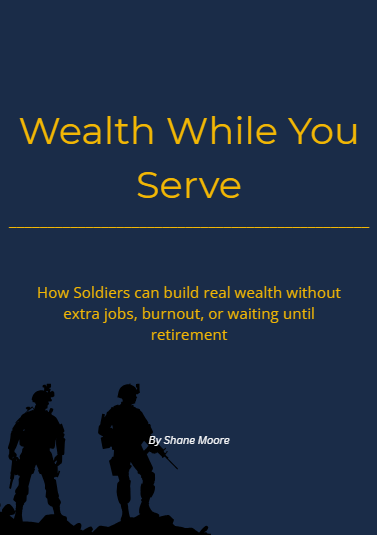
Ready to Start Building Wealth While You Serve?
Grab the free guide built for service members who want more than just survival mode. Whether you're in the barracks or deployed overseas, this is your first step toward real freedom.
Helping Soldiers Build Real Wealth While They Serve
We share practical tools, smart financial strategies, and military-friendly resources. Our goal is to help you stop just surviving and start building real freedom.

The information provided by Wealth While You Serve is for educational purposes only and does not constitute financial, legal, or tax advice. Always consult a qualified advisor before making financial decisions. Some links on this site are affiliate links, which means we may earn a small commission at no extra cost to you. This helps us continue offering free resources for military members and their families.
Created with ©systeme.io