
Why “I Deserve This” Spending Is Dangerous in the Army
The phrase “I deserve this” can justify almost any purchase, but it rarely supports your long-term goals or stability.

Disclosure:
This article is for educational purposes only and is not financial advice. Always do your own research or speak with a licensed advisor before making investment decisions.
Why “I Deserve This” Thinking Appears So Often
Military life creates emotional exhaustion. Long hours, field time, high stress, and limited downtime make soldiers crave relief. Purchases become rewards for surviving another tough week. While understandable, this pattern creates long-term instability when repeated. Without awareness, emotional spending overrides structure. This pattern can derail early goals like the 56K Plan.
The Army culture normalizes reward spending. Soldiers often joke about blowing a paycheck after a hard training cycle or deployment. These cultural habits influence spending decisions subconsciously. When everyone else is spending impulsively, it becomes harder to resist. Social influence shapes financial patterns.
Small purchases feel harmless. A coffee here, a meal there, or a new gadget feels like a minor reward. But repeated small decisions stack up quickly. Without tracking, soldiers lose awareness of how these purchases drain momentum. Harmless spending becomes a routine that weakens long-term plans. Awareness restores control.
Spending becomes emotional release. When stress builds and downtime is limited, purchases replace healthier coping habits. The problem is not the purchase itself but the pattern behind it. Emotional spending often masks deeper fatigue. Understanding this helps soldiers make better decisions.
How “I Deserve This” Spending Hurts Long-Term Progress
It reduces your financial margin. Every unplanned purchase lowers your ability to handle emergencies, PCS transitions, or unexpected expenses. With less margin, stress increases, and more emotional spending follows. This cycle weakens long-term habits. Soldiers who protect margin stay more grounded and confident.
It delays long-term financial milestones. Emotional spending pulls money away from savings or investing. Even small diversions add up, and the lost time affects compounding. Soldiers who control this pattern experience stronger long-term outcomes such as the 3 Million Timeline. Consistent investing thrives when spending stays intentional.
It creates hidden lifestyle creep. When emotional spending becomes routine, your baseline expectations increase. Soldiers begin to see comfort purchases as normal rather than occasional treats. This baseline becomes expensive and hard to reduce later. Boundaries protect stability.
It reduces clarity and increases guilt. When purchases are emotionally driven, soldiers often regret them later. This regret harms motivation and confidence, creating more negative cycles. Intentional spending builds positive identity and improves long-term behavior.
Why Soldiers Are Especially Vulnerable to This Pattern
High stress encourages emotional decision making. Soldiers experience stress levels unmatched in most civilian roles. Emotional spending becomes an understandable but unhealthy outlet. Structure helps counter this pattern.
Peer environments influence decisions strongly. The barracks, unit culture, and friend groups shape spending habits. Without boundaries, soldiers adopt the habits of the loudest spenders. Awareness protects independence.
Extra pays make spending feel justified. Hazard pay, bonuses, and tax-free deployment income often trigger “I deserve this” thinking. Without structure, these boosts become temporary satisfaction instead of long-term stability. Structure increases resilience.
Discipline exists but must be applied intentionally. Soldiers who apply military discipline to money experience far greater control. Discipline strengthens identity and consistency.
Simple Ways to Break the “I Deserve This” Cycle
Pause before buying. Reduce emotional decisions.
Set a small fun budget. Allow enjoyment without chaos.
Identify emotional triggers. Increase awareness and control.
Tie purchases to long-term goals. Strengthen intentionality.
Final Word
“I deserve this” thinking is powerful, but it becomes dangerous when it replaces structure and long-term clarity. Soldiers who pause, plan, and stay grounded protect their financial momentum and avoid unnecessary stress. When you shift from emotional spending to intentional decision making, your entire financial system grows stronger. Freedom is built through consistent habits, not momentary rewards.
Recommended Tools for Soldiers
🏠 VA Loans Hub Keep long-term goals visible and reduce emotional spending.
🪙 High Yield Savings Hub Store intentional savings and build stronger margins.
More to explore:
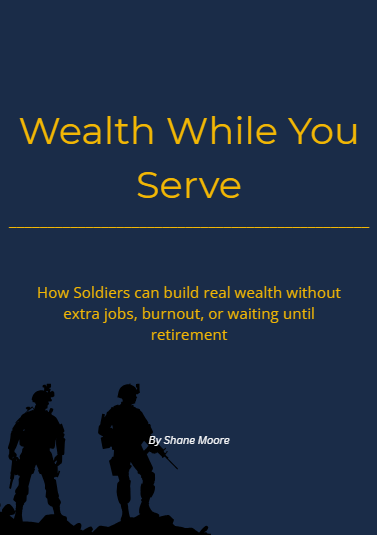
Ready to Start Building Wealth While You Serve?
Grab the free guide built for service members who want more than just survival mode. Whether you're in the barracks or deployed overseas, this is your first step toward real freedom.
Helping Soldiers Build Real Wealth While They Serve
We share practical tools, smart financial strategies, and military-friendly resources. Our goal is to help you stop just surviving and start building real freedom.

The information provided by Wealth While You Serve is for educational purposes only and does not constitute financial, legal, or tax advice. Always consult a qualified advisor before making financial decisions. Some links on this site are affiliate links, which means we may earn a small commission at no extra cost to you. This helps us continue offering free resources for military members and their families.
Created with ©systeme.io