
The Smart Way to Handle Holiday Spending in Uniform
Enjoy the holidays without undoing months of discipline

Disclosure:
This article is for educational purposes only and is not financial advice. Always do your own research or speak with a licensed advisor before making investment decisions.
Why Holiday Spending Quietly Breaks Progress
Holiday expenses arrive fast while your pay stays exactly the same. November and December bring travel, gifts, food, and unexpected obligations, but military pay does not increase to match them. When spending rises without planning, the gap usually gets filled with credit cards or pulled from savings meant for other goals. That is how progress stalls without anyone noticing right away.
Being away from family increases emotional spending. Soldiers often try to compensate for distance with bigger gifts, extra trips, or last-minute spending. Those choices feel justified in the moment, but emotion-driven spending almost always costs more than expected. Without boundaries, guilt becomes expensive.
Holiday culture makes overspending feel normal. Sales, promotions, and social pressure push the idea that spending more is part of the season. When everyone around you is buying, it becomes harder to pause and think long-term. That pressure hits even disciplined soldiers if there is no plan in place.
Many soldiers treat the holidays like a one-time exception. The problem is that exceptions repeat every year. One unplanned season might not break everything, but repeated holiday debt quietly erodes consistency over time.
Why Planned Spending Feels Better Than Regret Spending
Planning removes stress before money ever leaves your account. When you decide how much you will spend ahead of time, each purchase fits within a system. You stop second-guessing yourself because the decision was already made. Control creates peace even when spending happens.
Regret spending usually happens under time pressure. Last-minute travel, rushed gifts, and impulse purchases feel convenient but cost the most. These decisions are made when emotions are high and time is short. That is why regret shows up later on statements.
A spending plan allows you to stay present during the season. When bills, savings, and investing are protected, you can actually enjoy time with people instead of worrying about money. Planning turns the holidays into experiences rather than financial anxiety.
This mindset protects long-term consistency. Soldiers following the 56K Plan do not avoid spending entirely. They decide what is safe to spend without interrupting habits that compound over years.
How Soldiers Can Set Holiday Boundaries That Hold
Choose one total holiday number and commit to it. Combining gifts, travel, food, and extras into one limit forces intentional trade-offs. A single number is easier to respect than vague categories. Once the limit is reached, spending stops.
Separate holiday money from everyday cash flow. Moving holiday funds into a separate account or category keeps normal spending from creeping higher. When the holiday balance hits zero, the season is done. This removes emotion from decisions.
Communicate expectations earlier than feels necessary. Letting family know you are keeping things simple reduces pressure. Most people respect clear boundaries when they are stated early. Silence creates assumptions that lead to overspending.
Protect automatic investing no matter what. Holiday spending should never interrupt contributions. The $3 Million Timeline only works when investing continues through every season, including December.
Simple habits that keep the holidays from derailing you
Start saving for the holidays months in advance.
Buy gifts gradually instead of all at once.
Use cash or debit for discretionary holiday spending.
Avoid carrying holiday balances into January.
Final Word
Holiday spending does not ruin soldiers. Unplanned spending does. The goal is not to eliminate generosity or enjoyment, but to make sure those moments do not undo months of discipline. When you plan for predictable seasons, your pay and benefits work together instead of against you. That consistency is what creates freedom while you are still serving, not someday later.
Recommended Tools for Soldiers
💰 Budgeting Apps Hub Track seasonal spending without losing control.
🪙 High-Yield Savings Hub Hold holiday funds separately until needed.
More to explore:
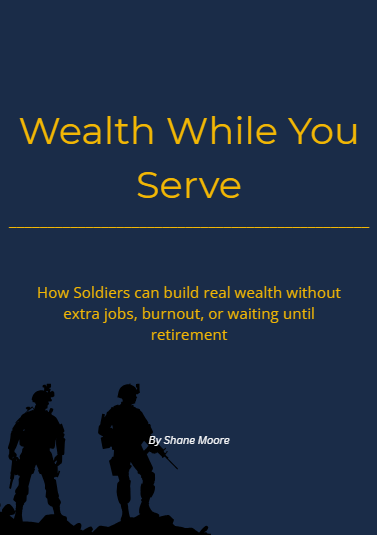
Ready to Start Building Wealth While You Serve?
Grab the free guide built for service members who want more than just survival mode. Whether you're in the barracks or deployed overseas, this is your first step toward real freedom.
Helping Soldiers Build Real Wealth While They Serve
We share practical tools, smart financial strategies, and military-friendly resources. Our goal is to help you stop just surviving and start building real freedom.

The information provided by Wealth While You Serve is for educational purposes only and does not constitute financial, legal, or tax advice. Always consult a qualified advisor before making financial decisions. Some links on this site are affiliate links, which means we may earn a small commission at no extra cost to you. This helps us continue offering free resources for military members and their families.
Created with ©systeme.io