
Why Health Insurance Choices Impact Long-Term Wealth
Health coverage is not just paperwork. It is a cash flow decision, a risk decision, and a compounding decision all at once. The premium you choose, the deductible you accept, and the accounts you fund will either drain investing power or strengthen it. Soldiers who treat health insurance like part of their wealth plan keep more of their pay, avoid surprise bills, and stay invested through every season.

Disclosure:
This article is for educational purposes only and is not financial advice. Always do your own research or speak with a licensed advisor before making investment decisions.
Why Coverage Decisions Shape Your Cash Flow For Years
Premiums and deductibles change how much you can invest every month. A plan with a higher premium looks safer, but if you rarely meet the deductible, you are paying for protection you do not use, which quietly steals dollars from your 56K Plan contributions each payday. A leaner premium with a smart emergency buffer can free hundreds per month that roll directly into your brokerage, and those dollars compound while you sleep rather than evaporating in unused coverage. Over a three year enlistment, even one hundred fifty dollars redirected monthly becomes thousands that can grow for decades, which is exactly how small insurance decisions bend your 3 Million Timeline forward. Many soldiers never connect this math because premiums feel normal and investments feel optional, but cash flow is a closed system where every dollar has to choose sides. When you choose richer benefits than you realistically use, you choose less ownership and more consumption disguised as safety. When you choose coverage that matches your actual risk, you choose growth. Matching coverage to reality is the difference between short term comfort and long term control.
Out of pocket rules quietly change your risk profile. Copays, coinsurance, and out of pocket maximums determine whether a surprise bill ends a month or ends your progress entirely, which is why your plan’s worst case matters more than its average case. Soldiers who only look at premiums miss the true risk because they never simulate a bad year, and a bad year without a plan means selling investments at the worst possible time. Building a small medical reserve inside your High Yield Savings while keeping contributions flowing into your 56K Plan protects your portfolio from forced withdrawals, which is the single most expensive mistake people make with medical bills. Think in layers rather than absolutes because the right plan plus the right savings buffer creates resilience you can feel. That resilience is what lets you keep buying shares through stress, which is how the 3 Million Timeline stays intact when life gets loud. The goal is not the cheapest plan; the goal is the plan that keeps you investing. That is wealth thinking, not insurance thinking.
HSA, PPO, or Hybrid: Picking What Actually Fits Military Life
HSAs convert health discipline into a tax advantage that grows forever. If you qualify for an HSA, contributions lower taxable income, growth is tax deferred, and qualified medical withdrawals are tax free, which is the rare triple benefit that directly strengthens compounding. Soldiers who fund the HSA and pay minor expenses out of pocket let the account invest and grow, then later reimburse themselves from saved receipts, which effectively turns today’s discipline into tomorrow’s tax free cash. Over a full career, an invested HSA can rival a mid size brokerage account because it compounds quietly without annual drag. The catch is that you must actually invest the HSA rather than leaving it in cash, and you must keep a small medical buffer in High Yield Savings so you are not draining the HSA for every routine cost. When you do both, the HSA becomes a second engine pushing your 3 Million Timeline. That is the kind of layered advantage most civilians never build because they never systematize it.
PPOs and low deductible plans can still be wealth friendly when used with intent. If your family has chronic care needs, a predictable copay structure may protect your cash flow better than an HSA option, which means you can keep investing on schedule rather than reacting to bills. The test is whether the plan stabilizes your monthly behavior so automation stays alive, because the moment you pause the 56K Plan for medical costs, your long term results fall behind even when you feel safer today. Run the numbers on last year’s usage and the worst case this year to see which design keeps your investing constant with the least emotional friction. If a richer plan saves your focus and protects your automation, it is a win because compounding needs time more than it needs perfect optimization. Wealth is the product of consistent behavior, not clever coverage names. Choose the plan that protects consistency.
Avoiding the Hidden Traps That Kill Momentum
Mixing medical bills with daily spending hides the damage. If medical costs hit the same checking account you use for food and fuel, you will not feel the bleed until the card statement arrives and your investment transfers bounce. Solve this by using a dedicated account for health expenses, routing HSA reimbursements or set asides there so cash flow stays visible and discipline stays automatic. Visibility is not fancy, it is freedom because it keeps your 56K transfers firing without guesswork. When your bills have a lane and your investments have a lane, you make fewer bad choices, and fewer bad choices is what protects the 3 Million Timeline more than any single decision you will make this year. This is not about being perfect; it is about being predictable. Predictable is profitable when money compounds.
Over insuring to feel safe is still overspending. Insurance should cap catastrophe, not fund convenience, and every dollar of convenience premia is a dollar that cannot own assets. Review your coverage annually, compare real usage to benefits, and right size anything bloated so the difference goes to your brokerage automatically. If you need proof that small trims matter, run the math on redirecting one hundred dollars per month for twenty years at a modest growth rate and see what you give up when fear runs your plan. Wealth is choosing caps for big risks and cash for little ones, not buying comfort for every scenario. Courage here shows up later as options you can actually touch.
Keeping Your Coverage Decisions Aligned With Your Wealth Plan
Your insurance is part of your system, not separate from it. Treat it like gear allocation on mission because it either supports your objective or slows you down. If your plan changes due to PCS or family size, adjust your automation the same day so nothing breaks, and document the new amounts in your budget template so you do not have to remember later. The faster you restore rhythm, the less damage any change can cause. Momentum is the asset you are always protecting because momentum is what turns the 56K Plan into the 3 Million Timeline without drama. Soldiers who restore automation within one pay cycle never feel behind. That is how professionals treat money.
Rehearse a bad year and prove your plan survives. Price out a surgery, a specialist, and travel costs, then test whether your emergency fund plus plan caps keep you out of debt while investments continue. When the answer is yes, you just bought calm for the entire household, and calm is what keeps your behavior steady when everything else wobbles. Do not aim for zero pain; aim for zero panic. Zero panic means you keep buying. Keep buying means you win.
Final Word
Health insurance is not a form you file. It is a leverage choice that determines whether your investing remains automatic through good months and bad. Pick coverage that protects behavior, keep a small buffer ready, and let compounding do what it always does for soldiers who stay consistent.
Recommended Tools for Soldiers
👉 Credit Card Hub – select cards with strong medical billing protections, virtual numbers, and clear dispute workflows to separate health charges from daily spend.
👉 High Yield Savings Hub – park your medical buffer and HSA cash threshold here so deductibles never force you to sell investments.
More to explore:
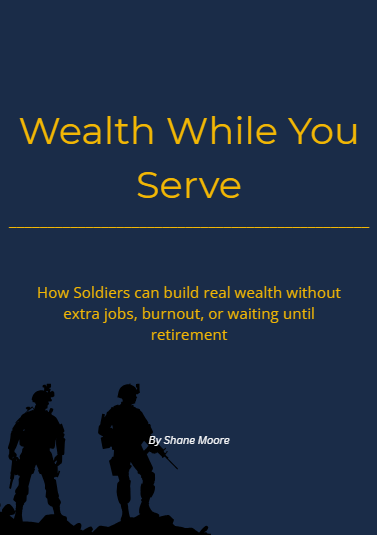
Ready to Start Building Wealth While You Serve?
Grab the free guide built for service members who want more than just survival mode. Whether you're in the barracks or deployed overseas, this is your first step toward real freedom.
Helping Soldiers Build Real Wealth While They Serve
We share practical tools, smart financial strategies, and military-friendly resources. Our goal is to help you stop just surviving and start building real freedom.

The information provided by Wealth While You Serve is for educational purposes only and does not constitute financial, legal, or tax advice. Always consult a qualified advisor before making financial decisions. Some links on this site are affiliate links, which means we may earn a small commission at no extra cost to you. This helps us continue offering free resources for military members and their families.
Created with ©systeme.io