
How to Handle Unexpected Expenses in the Army
Unexpected expenses will always show up in the Army, but they do not have to wreck your budget, your confidence, or your long term plans when you prepare for them on purpose.

Disclosure:
This article is for educational purposes only and is not financial advice. Always do your own research or speak with a licensed advisor before making investment decisions.
Why Unexpected Expenses Hit Soldiers So Hard
Military life is built around constant change. PCS moves, new duty stations, vehicle wear, surprise travel, and uniform needs all show up on timelines you do not fully control. When you are living close to the edge financially, even a small cost feels heavy. That pressure steals energy from everything else you are juggling. Over time, each surprise piles on top of the last one. Without a system, it never feels like you are catching up.
Most junior soldiers operate with very little margin. When almost every dollar is already spoken for, there is no room for a flat tire, a broken phone, or a medical bill. So when those things do show up, they push you into credit cards or borrowing from friends and family. That creates stress and sometimes embarrassment. It also starts a cycle where your future paychecks are already committed. Once that cycle starts, it is hard to step out of it without new structure.
Surprise costs disrupt even disciplined saving habits. You might be doing well for a few months, setting money aside and feeling like progress is finally happening. Then one unexpected bill wipes out your savings in a single week. That experience is discouraging and can make you question whether discipline is worth it. When this happens a couple of times, many soldiers simply give up on saving at all. That decision delays every wealth milestone you want to hit, including what the 56K Plan and similar systems can do for you.
Credit becomes the default response when no buffer exists. Swiping a card feels easy in the moment, but the long term cost is hidden inside interest payments and minimums. A small emergency turns into months or years of extra payments that hang over everything else. The more often you repeat that pattern, the less room you have to invest or build toward freedom. Debt becomes a quiet enemy that limits future choices.
Emotional reactions make the situation worse. When a surprise pops up, it is natural to feel angry, stressed, or overwhelmed. If you make decisions from that emotional place, you are more likely to overspend, ignore a better option, or use shady quick fixes. Those reactions are understandable, but they are also expensive. Calm structure is what protects you when your emotions are running hot.
How to Prepare Before Emergencies Show Up
Build an emergency fund with small, automatic contributions. You do not need to stack thousands overnight to start feeling more secure. Even a modest buffer built twenty, fifty, or a hundred dollars at a time can turn future problems into manageable annoyances. Automation is key because it removes the need to decide every month whether you will save. The decision is already made; you just follow through. Over time, that small habit creates real breathing room.
Plan for predictable irregular costs separately from true emergencies. Car maintenance, uniforms, gear upgrades, and medical co pays are not surprises in the big picture; you know they are coming, just not exactly when. Building small sinking funds for these categories keeps you from raiding your emergency fund every time something normal happens. That separation keeps your real crisis money untouched. It also reduces stress because you are not pretending regular life is an emergency.
Keep your checking account intentionally lean. When too much money sits in your main account, it becomes easy to spend without thinking. Moving extra cash into savings or dedicated buckets makes it harder to accidentally waste your buffer. This is not about restriction; it is about removing temptation. A lean account forces you to see spending choices clearly. That awareness alone prevents a lot of “how did I blow all that” moments.
Use a simple budget that actually fits Army life. Overly complex budgeting apps or systems often fall apart during field time, long hours, or high tempo phases. A simple structure that tracks your big categories is easier to maintain when life gets chaotic. When you can see the whole picture at a glance, you can adjust faster when something hits. Simplicity keeps your plan alive under stress. Dead plans do not protect you. A strong emergency system also protects your long term investing plan so you stay on track for milestones like the 3 Million Timeline even when life throws surprises at you.
Talk with your spouse or trusted friends about your emergency plan. When the people around you understand your priorities, they are less likely to pressure you into decisions that damage your stability. They may even support you when it is time to say no to something that conflicts with your goals. Clear communication turns your environment into an ally instead of a risk. That support matters when money feels tight.
How to Respond When an Unexpected Expense Hits
Pause and calm your reaction before you swipe anything. The first minutes after you hear the cost are usually the most emotional. Taking a breath, stepping away, or giving yourself an hour before making a move can save you from choices you regret later. You are not ignoring the problem; you are just giving your brain time to shift from panic to problem solving. A calm soldier brings better options to the table.
Use your emergency fund for its actual purpose. Many people resist touching savings because they feel safer seeing the number in the account, but that is exactly what the fund is for. Using your emergency money instead of a credit card prevents interest from compounding against you. It keeps the damage contained to one moment instead of stretching it out for months. You can always rebuild the fund after the event. That is much easier than digging out of high interest debt.
Look for the most complete, not the cheapest, solution. Sometimes the lowest upfront cost option ends up costing more because the problem returns. Choosing a repair or fix that actually solves the issue may save you from repeating the same expense two or three times. That does not mean overspending on unnecessary upgrades, but it does mean thinking through the full picture before deciding. Long term thinking is a wealth skill, even in emergencies.
Adjust your budget intentionally for the next few pay periods. Instead of pretending the expense never happened and hoping things work out, rework your budget for the next one or two months. Decide which non essentials can be reduced or paused temporarily to help refill your buffer. Making these decisions yourself feels far better than being forced into them by reality. Active control builds confidence.
Use the situation as a training rep, not a failure. One emergency does not mean you are bad with money. It means life happened while you were in uniform. If you treat each event as a chance to refine your systems, your structure will get stronger every time. That mindset turns stressful moments into experience. Experience makes you a calmer operator the next time something hits.
How to Build Stability After an Emergency
Rebuild your emergency fund as soon as you can.
Review what went well and what felt chaotic during the event.
Adjust your savings rate if you realize your buffer was too small.
Tighten or simplify your budget categories where confusion showed up.
Remind yourself that long term wealth comes from systems, not perfection.
Final Word
Unexpected expenses are not a sign that you are failing; they are a normal part of life in and out of the Army. What matters is whether you meet them with panic or with a system that you built on purpose. When you create margin, automate your habits, and respond with a clear head, you protect your progress and keep moving toward real financial freedom while you serve.
Recommended Tools for Soldiers
🏦 Banks Hub – organize your paycheck using separate accounts to prevent overspending and build a buffer for emergencies.
📈 Investing Hub – use simple long term investments to create stability and reduce the financial impact of unexpected events.
More to explore:
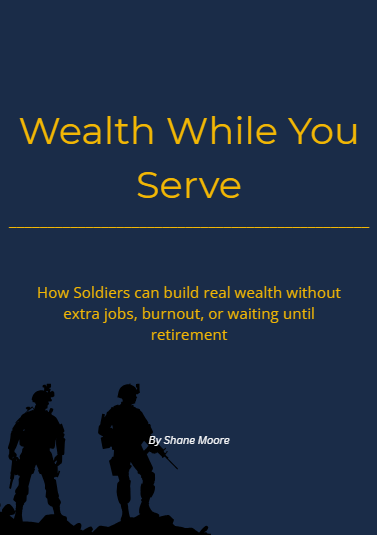
Ready to Start Building Wealth While You Serve?
Grab the free guide built for service members who want more than just survival mode. Whether you're in the barracks or deployed overseas, this is your first step toward real freedom.
Helping Soldiers Build Real Wealth While They Serve
We share practical tools, smart financial strategies, and military-friendly resources. Our goal is to help you stop just surviving and start building real freedom.

The information provided by Wealth While You Serve is for educational purposes only and does not constitute financial, legal, or tax advice. Always consult a qualified advisor before making financial decisions. Some links on this site are affiliate links, which means we may earn a small commission at no extra cost to you. This helps us continue offering free resources for military members and their families.
Created with ©systeme.io