
How to Handle Special Duty Pay the Smart Way
Special duty pay feels like extra money, but it works best when it is treated as temporary leverage.

Disclosure:
This article is for educational purposes only and is not financial advice. Always do your own research or speak with a licensed advisor before making investment decisions.
Why Special Duty Pay Disappears So Easily
It shows up on top of normal pay. Special duty pay feels like a bonus layered onto an already functioning budget. Without a plan, it gets absorbed into spending that never feels excessive in the moment.
The work feels like it deserves a reward. Extra risk, extra time, or extra stress creates an emotional justification to spend. That response is human, but emotional spending turns temporary pay into temporary relief instead of lasting progress.
It is rarely permanent. Special pays change with assignments, billets, medical status, or career moves. Building monthly expenses around money that can disappear creates instability later.
Peers normalize fast spending. When everyone around you is receiving the same pay, spending patterns reinforce each other. What feels normal in the unit often looks reckless a year later.
What Changes When Special Duty Pay Is Handled Intentionally
Progress accelerates without lifestyle pressure. Treating special pay as temporary allows you to upgrade your future instead of your monthly bills. That distinction keeps flexibility intact.
You create separation from peers over time. Most soldiers spend special duty pay. Saving or investing it creates quiet distance that compounds year after year.
Risk exposure actually decreases. Using extra pay to build buffers, eliminate high-interest debt, or invest reduces future stress instead of increasing it.
You can step away cleanly when the assignment ends. When the pay disappears, nothing breaks. That freedom is the real reward.
How Disciplined Soldiers Use Special Duty Pay
They decide its purpose before it hits. Extra pay is assigned to savings, investing, or debt reduction in advance so it does not drift.
They avoid locking it into fixed costs. No new car payments, leases, or subscriptions are built around money that might not exist next year.
They allow limited, intentional enjoyment. A small, planned reward keeps morale high without sabotaging progress.
They treat it as a multiplier, not income. Special pay amplifies existing systems instead of replacing discipline.
Why This Pays Off Over the Long Run
Temporary pay strengthens the foundation. Used correctly, special duty pay reinforces the 56K Plan by compressing progress into shorter windows without adding risk.
Early acceleration compounds for decades. Extra contributions made during special assignments quietly support the $3 Million Timeline long after the duty ends.
Career flexibility improves. When finances are not tied to special pays, soldiers have more control over future assignments and transitions.
Stress stays lower when conditions change. Pay shifts stop feeling like emergencies and start feeling like expected transitions.
Simple ways to handle special duty pay better
Route it into a separate account immediately.
Decide the split between saving, investing, and spending ahead of time.
Avoid upgrading fixed expenses while receiving it.
Let it disappear without impact when the assignment ends.
Final Word
Special duty pay is not a lifestyle upgrade. It is an opportunity window.
Soldiers who handle it intentionally use difficult assignments to build lasting freedom instead of temporary comfort. When the pay stops, their progress does not.
Use extra pay with discipline.
Let it strengthen your future.
Build wealth while you serve.
Recommended Tools for Soldiers
💰 Budgeting Apps Hub
Budgeting tools help you separate special duty pay from normal income so it gets used intentionally instead of blending away.
📈 Investing Hub
Investing platforms allow temporary income to turn into permanent progress through long-term growth.
More to explore:
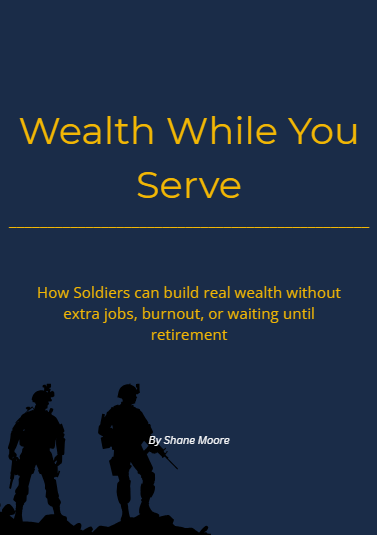
Ready to Start Building Wealth While You Serve?
Grab the free guide built for service members who want more than just survival mode. Whether you're in the barracks or deployed overseas, this is your first step toward real freedom.
Helping Soldiers Build Real Wealth While They Serve
We share practical tools, smart financial strategies, and military-friendly resources. Our goal is to help you stop just surviving and start building real freedom.

The information provided by Wealth While You Serve is for educational purposes only and does not constitute financial, legal, or tax advice. Always consult a qualified advisor before making financial decisions. Some links on this site are affiliate links, which means we may earn a small commission at no extra cost to you. This helps us continue offering free resources for military members and their families.
Created with ©systeme.io