
How to Handle Market Dips Without Panicking
Market drops feel scary, but panic is what actually destroys wealth.

Disclosure:
This article is for educational purposes only and is not financial advice. Always do your own research or speak with a licensed advisor before making investment decisions.
Why Market Dips Feel Worse Than They Are
Losses feel heavier than gains feel good. Psychologically, seeing a portfolio drop hurts more than seeing it rise by the same amount feels rewarding. This imbalance pushes people to act emotionally even when nothing is broken. Understanding this helps you recognize panic as a normal reaction, not a signal to act.
Markets drop faster than they rise. Declines tend to be sharp and sudden, while recoveries are slower and quieter. That speed creates urgency and fear, even though history shows recoveries follow. Soldiers who expect this pattern are less likely to make emotional decisions.
Constant access magnifies anxiety. Checking balances daily during a downturn turns short-term noise into perceived danger. The more often you look, the worse it feels, even if your long-term plan has not changed.
Army life already adds stress. Field time, deployments, family separation, and leadership pressure stack stress on top of market volatility. When stress is already high, financial fear hits harder.
The One Mistake That Turns Dips Into Real Losses
Selling to feel relief. Panic selling creates a permanent loss instead of a temporary one. Relief feels good in the moment, but it locks in damage that compounding cannot undo.
Trying to “wait it out” on the sidelines. Selling with the plan to buy back later sounds logical, but most people miss the rebound. Markets recover faster than expected, and getting the timing right twice is extremely difficult.
Abandoning the system mid-stress. Wealth systems are designed to work through volatility. Changing them during fear is like changing a battle plan under fire without new intelligence.
Confusing headlines with reality. News exists to capture attention, not to guide your long-term plan. Markets have survived wars, recessions, pandemics, and crises while continuing to grow over time.
How Disciplined Soldiers Stay Calm During Dips
They zoom out instead of reacting. Long-term charts tell a different story than daily movements. Over decades, dips become small bumps on an upward trend. This perspective is critical for staying steady.
They remember what investing actually is. Buying investments means owning pieces of real companies and real productivity. Temporary price drops do not mean the system stopped working.
They rely on automation. When investing is automatic, there is nothing to decide during a downturn. Contributions continue, often buying more at lower prices, without emotional involvement.
They protect liquidity outside the market. Having cash buffers prevents the need to sell investments during bad moments. Stability outside the market creates calm inside it.
How This Fits the WWYS Framework
The 56K Plan assumes volatility. The 56K Plan works because it is built on consistency, not perfect timing. Market dips are expected, not feared, and they do not derail the plan.
Dips are part of the $3 Million Timeline. The $3 Million Timeline is not a straight line upward. It includes multiple downturns along the way. Soldiers who stay invested through them are the ones who reach long-term freedom.
Discipline beats prediction. Soldiers are trained to execute the plan, not react emotionally. That same mindset applies to investing through volatility.
Calm is a competitive advantage. Most people panic. Soldiers who stay steady gain ground simply by not making mistakes.
Simple habits that reduce panic during downturns
Limit how often you check balances during volatile periods.
Stick to your automated plan unless your life situation truly changes.
Keep emergency savings separate so investments can stay untouched.
Remind yourself that volatility is normal, not a failure of the plan.
Final Word
Market dips test discipline, not intelligence.
Soldiers who build wealth are not immune to fear. They simply do not let fear make decisions for them. By trusting the system, keeping liquidity outside the market, and staying focused on the long game, dips become part of the process instead of a reason to quit.
This is how soldiers use discipline, structure, and patience to build real wealth while serving, not after everything is over.
Stay calm. Stay invested. Let time do the work.
Recommended Tools for Soldiers
🏦 Banks Hub
Use reliable banking tools to keep emergency funds accessible so you never feel pressured to sell investments during downturns.
💳 Credit Cards Hub
Responsible credit card access can act as a short-term buffer for true emergencies, adding flexibility without disrupting long-term investments.
More to explore:
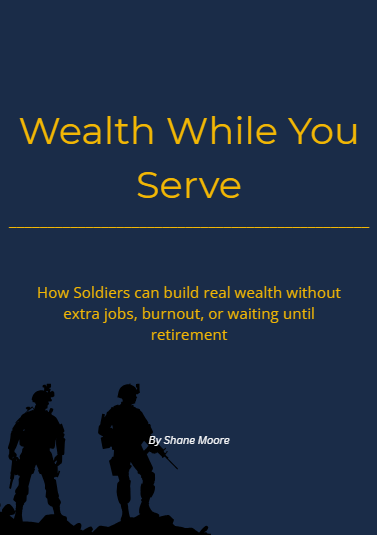
Ready to Start Building Wealth While You Serve?
Grab the free guide built for service members who want more than just survival mode. Whether you're in the barracks or deployed overseas, this is your first step toward real freedom.
Helping Soldiers Build Real Wealth While They Serve
We share practical tools, smart financial strategies, and military-friendly resources. Our goal is to help you stop just surviving and start building real freedom.

The information provided by Wealth While You Serve is for educational purposes only and does not constitute financial, legal, or tax advice. Always consult a qualified advisor before making financial decisions. Some links on this site are affiliate links, which means we may earn a small commission at no extra cost to you. This helps us continue offering free resources for military members and their families.
Created with ©systeme.io