
How to Handle Barracks Peer Pressure Spending
Most bad money habits in the barracks come from social pressure, not poor intent.

Living in the barracks creates a unique environment. Everyone is close, routines overlap, and spending is visible. Meals, cars, electronics, and weekend plans all become shared experiences. That proximity makes it easy for spending to feel expected instead of optional. Learning how to handle that pressure is a critical skill for building wealth early.
Disclosure:
This article is for educational purposes only and is not financial advice. Always do your own research or speak with a licensed advisor before making investment decisions.
Why Barracks Peer Pressure Is So Powerful
Spending becomes a social signal. In the barracks, what you buy is often seen immediately. New shoes, new gear, food runs, and weekend plans become part of daily conversation. When spending is visible, it starts to feel like participation instead of choice. Soldiers want to belong, not stand out. Over time, spending feels like the cost of connection rather than a financial decision. That emotional framing is what makes peer pressure effective.
Low fixed expenses increase perceived flexibility. Barracks living removes rent and many utilities, which makes paychecks feel larger than they are. That perceived surplus encourages frequent spending. When others around you are spending freely, restraint feels unnecessary. The danger is that this phase passes quickly, but the habits can stick. Early flexibility often turns into long-term leakage.
Group spending normalizes bad decisions. A meal, a trip, or a purchase feels harmless when everyone is doing it. Group behavior lowers perceived risk. Soldiers stop evaluating decisions individually and start defaulting to consensus. Normal does not mean healthy. Repetition turns small choices into habits without conscious thought.
Saying no feels like rejection. Declining plans can feel like distancing yourself from the group. Many soldiers spend money to avoid that discomfort. Over time, avoiding awkwardness becomes more important than protecting progress. That tradeoff quietly compounds against long-term goals.
How Peer Pressure Turns Into Financial Drift
Impulse spending increases frequency. Small purchases happen more often when driven by social cues. Frequency matters more than size over time.
Goals get postponed indefinitely. Saving and investing feel less urgent when spending is constant. Progress gets delayed without a clear failure point.
Identity shifts subtly. Soldiers begin to identify as spenders rather than builders. Identity drives behavior more than logic.
Money stress appears later. The consequences do not show up immediately. They surface during PCS moves, transitions, or life changes.
How Disciplined Soldiers Handle Barracks Spending Pressure
They decide priorities privately. Goals are set internally, not socially.
They limit exposure intentionally. Less time around spending reduces temptation.
They budget for connection. Social spending is planned, not reactive.
They build quiet wins. Progress happens without announcements or comparison.
Why This Matters Long Term
Early discipline protects momentum. Resisting peer pressure supports the 56K Plan by keeping early cash flow available for growth.
Habits compound faster than income. Avoiding constant spending strengthens the $3 Million Timeline long before pay increases matter.
Confidence becomes internal. Soldiers stop needing validation through purchases.
Flexibility increases. Fewer commitments mean more options later.
Simple ways to resist barracks spending pressure
Set weekly spending limits.
Clear boundaries reduce impulse decisions.
Plan low-cost social options.
Connection does not require constant spending.
Track progress privately.
Internal wins reduce comparison.
Practice saying no early.
Confidence grows with repetition.
Final Word
Barracks peer pressure is temporary. The habits you build are not.
Soldiers who learn to handle social spending pressure early protect their future without isolating themselves. You do not have to opt out of connection to opt into discipline. You just need boundaries that work quietly in your favor.
Stay grounded.
Spend intentionally.
Build freedom early while you serve.
Recommended Tools for Soldiers
💰 Budgeting Apps Hub
Budgeting tools help soldiers plan social spending intentionally instead of reacting to peer pressure.
🧠 Credit Monitoring Hub
Monitoring tools provide feedback and accountability, reinforcing discipline during high-pressure environments.
More to explore:
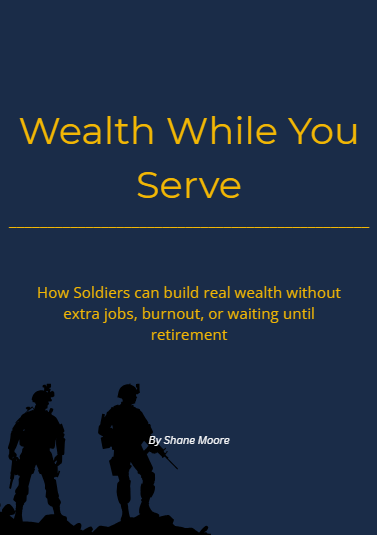
Ready to Start Building Wealth While You Serve?
Grab the free guide built for service members who want more than just survival mode. Whether you're in the barracks or deployed overseas, this is your first step toward real freedom.
Helping Soldiers Build Real Wealth While They Serve
We share practical tools, smart financial strategies, and military-friendly resources. Our goal is to help you stop just surviving and start building real freedom.

The information provided by Wealth While You Serve is for educational purposes only and does not constitute financial, legal, or tax advice. Always consult a qualified advisor before making financial decisions. Some links on this site are affiliate links, which means we may earn a small commission at no extra cost to you. This helps us continue offering free resources for military members and their families.
Created with ©systeme.io