
How to Handle Credit Card Debt While Stationed Overseas
Being stationed overseas changes how money moves, which makes existing credit card debt either easier to manage or much harder to escape.

Spending patterns shift quickly. Travel increases. Currency differences create confusion. Because routines are disrupted, discipline can slip without notice. The goal overseas is not perfection. It is control, visibility, and steady progress while circumstances feel unfamiliar.
Disclosure:
This article is for educational purposes only and is not financial advice. Always do your own research or speak with a licensed advisor before making investment decisions.
Why Credit Card Debt Feels Harder Overseas
Spending increases in unfamiliar ways. Travel, dining, and convenience costs rise. Daily prices feel different. Because small foreign purchases feel harmless, balances grow quietly. This is where awareness drops. That’s where most soldiers get tripped up.
Currency and fees distort perception. Exchange rates hide true cost. Foreign transaction fees add friction. Even though charges feel small at the register, statements tell a different story. This disconnect delays correction.
Pay schedules and timing feel off. Overseas banking delays happen. Payment timing feels less predictable. Because uncertainty increases stress, minimum payments feel safer than aggressive paydown. That slows progress.
Emotional spending increases during adjustment. New environments create stress. Comfort spending fills gaps. Because emotions influence behavior more during transitions, debt can creep higher. This is where habits matter most.
How Disciplined Soldiers Reduce Debt While Overseas
They lock in a clear payoff plan early. Balances are listed. Interest rates are prioritized. Because clarity removes hesitation, action follows quickly. This is where control returns.
They stabilize spending before accelerating payments. Budgets are adjusted to the new environment. Predictability is restored first. Even though urgency feels high, stability matters more initially. That patience pays off.
They automate payments across time zones. Autopay prevents missed dates. Minimums and extra payments are scheduled. Because systems operate regardless of location, consistency improves. This removes friction.
They avoid adding new balances intentionally. Credit cards stay for emergencies only. Cash or debit covers daily spending. This boundary keeps progress intact.
Common Overseas Credit Card Mistakes Soldiers Make
Ignoring foreign transaction fees. Costs stack quietly.
Relying on minimum payments. Interest lingers.
Letting balances grow during adjustment periods. Habits form fast.
Avoiding statements because of stress. Avoidance delays solutions.
Why This Matters Long Term
Debt control preserves early momentum. Paydown protects the 56K Plan from drag.
Lower balances improve flexibility later. Discipline supports the $3 Million Timeline indirectly.
Stress stays lower. Finances feel manageable again.
Freedom increases. Overseas time becomes an advantage, not a setback.
Practical ways to handle credit card debt overseas
List balances and interest rates clearly. Visibility drives action.
Stabilize spending first. Control precedes acceleration.
Automate payments across time zones. Consistency matters.
Pause new credit use intentionally. Progress compounds faster.
Final Word
Overseas assignments are temporary. Credit card debt does not have to be permanent.
Soldiers who slow down, stabilize spending, and follow a simple payoff plan often make more progress overseas than they do at home. The environment changes, but discipline still works.
Control the balances.
Protect momentum.
Build wealth while you serve.
Recommended Tools for Soldiers
💳 Credit Cards Hub
Understanding card features, fees, and payoff strategies helps soldiers reduce balances without creating new problems overseas.
🏦 Banks Hub
Strong banking tools ensure reliable payments, visibility, and account access regardless of duty station.
More to explore:
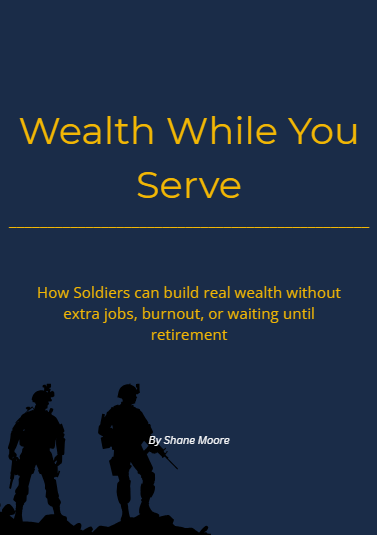
Ready to Start Building Wealth While You Serve?
Grab the free guide built for service members who want more than just survival mode. Whether you're in the barracks or deployed overseas, this is your first step toward real freedom.
Helping Soldiers Build Real Wealth While They Serve
We share practical tools, smart financial strategies, and military-friendly resources. Our goal is to help you stop just surviving and start building real freedom.

The information provided by Wealth While You Serve is for educational purposes only and does not constitute financial, legal, or tax advice. Always consult a qualified advisor before making financial decisions. Some links on this site are affiliate links, which means we may earn a small commission at no extra cost to you. This helps us continue offering free resources for military members and their families.
Created with ©systeme.io