
Should You Buy or Rent a House at Your Next PCS
Make the decision that fits your system, not just the situation

Every PCS forces the same question.
Do you buy again or just rent and keep it simple?
There’s no universal answer here. But there is a right answer for your situation.
Disclosure:
This article is for educational purposes only and is not financial advice. Always do your own research or speak with a licensed advisor before making investment decisions.
Why This Decision Feels Bigger Than It Is
Housing is your largest expense, so it feels like a high-stakes move. That pressure builds quickly. And that’s where most soldiers rush into a decision. When something takes up a big part of your budget, it feels like it has to be optimized perfectly. But chasing a “perfect” decision usually leads to overthinking or overcommitting. This is where people get stuck.
You’ve probably heard that buying is always better. That idea gets repeated a lot. It sounds logical on the surface. But it ignores timelines, locations, and flexibility. Those factors matter more than the blanket advice. That’s why people end up in bad situations.
You’re trying to make a long-term decision in a short-term environment. PCS moves are temporary by nature. But buying a house is a long-term commitment. That mismatch creates risk. And it’s easy to overlook.
You don’t want to feel like you’re “missing out.” Renting can feel like you’re not building anything. That mindset pushes people toward buying even when it doesn’t fit, which is why using the 📈 Investing Hub early helps you see how your money could grow in other ways instead of forcing everything into real estate. That’s the trade-off most people don’t think about.
When Buying at Your Next PCS Makes Sense
You plan to stay long enough to absorb the costs. Time matters more than anything here, because buying only works if you give the property time to stabilize. Closing costs, fees, and potential market shifts need time to balance out. Short timelines increase risk. That’s where people lose money.
The numbers actually work in your favor. This includes purchase price, expected rent (if you leave), and overall costs. If the math doesn’t support the decision, it becomes emotional. And emotional decisions are expensive.
You’re prepared to manage the property after you leave. This matters because you will PCS again. Which means you either rent it out or sell it. Both require planning. Ignoring that part is where this goes wrong.
You’re not stretching your budget to make it happen. Stretching increases pressure. Pressure leads to poor decisions later. Stability matters more than ownership early on.
When Renting Is the Better Move
Your assignment timeline is short or uncertain. Renting gives you flexibility. That flexibility keeps you from being forced into a bad sale later, which means you avoid losses tied to timing.
You want simplicity during the transition. PCS moves already come with enough moving parts. Adding a home purchase increases complexity. More complexity increases risk.
You’re focusing on building your financial base. Renting allows you to keep more cash available. That matters because liquidity gives you options. And options improve long-term outcomes.
You’re not familiar with the local market. Buying without understanding the area increases risk. Renting gives you time to learn. That time is valuable.
The Hidden Costs That Change the Decision
Buying comes with upfront and ongoing costs. Closing costs, maintenance, and unexpected repairs add up quickly. These costs matter more than the monthly payment alone. That’s where most calculations fall short.
Selling under a deadline reduces your leverage. PCS timelines don’t always align with the market. That mismatch can force you to accept less than expected. And it happens more often than people think.
Renting has an opportunity cost, not just a financial cost. You’re not building equity, but you’re also not taking on risk. That trade-off needs to be evaluated clearly.
Managing a property from a distance is not passive. It takes time, coordination, and money. Ignoring that leads to problems later.
How This Fits Into Your Long-Term Wealth Plan
The 56K Plan depends on protecting your early progress. One bad housing decision can wipe out months or years of gains. That’s the reality.
The $3 Million Timeline depends on consistency. Big losses disrupt your system. Stability keeps everything moving forward.
Your system needs flexibility to handle multiple PCS moves. Locked-in decisions reduce options. Reduced options limit your ability to adapt.
Real estate is one tool, not the only tool. Over-relying on it creates imbalance. Balanced systems perform better long term.
Practical ways to decide between buying and renting
Start with your timeline, not the property. This keeps your decision grounded in reality. Because time drives the outcome more than anything else.
Run the numbers conservatively. This protects you from optimistic assumptions. Which means fewer surprises later.
Plan your exit before you buy. This forces you to think through the full cycle. That’s where clarity comes from.
Stay within your financial comfort zone. This reduces pressure. Less pressure leads to better decisions.
Treat housing as part of your system so it supports your long-term progress instead of becoming a decision that slows you down at your next move.
Final Word
Buying versus renting at your next PCS is not about choosing the “better” option, it’s about choosing the option that fits your timeline, your flexibility, and your overall system. The wrong choice usually comes from forcing a decision that doesn’t match your situation.
If you take the time to understand your timeline, run the numbers honestly, and stay disciplined with your budget, you can make a decision that supports your long-term progress instead of creating setbacks.
The soldiers who build real wealth don’t chase ownership just to say they own something. They stay flexible, make decisions based on their system, and focus on consistency over time instead of trying to win every single move.
Recommended Tools for Soldiers
🏠 VA Loans Hub – Understand your buying options and eligibility clearly.
💰 Budgeting Apps Hub – Track housing costs and compare scenarios effectively.
More to explore:
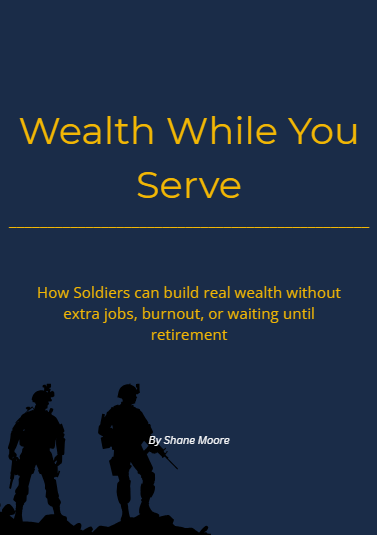
Ready to Start Building Wealth While You Serve?
Grab the free guide built for service members who want more than just survival mode. Whether you're in the barracks or deployed overseas, this is your first step toward real freedom.
Helping Soldiers Build Real Wealth While They Serve
We share practical tools, smart financial strategies, and military-friendly resources. Our goal is to help you stop just surviving and start building real freedom.

The information provided by Wealth While You Serve is for educational purposes only and does not constitute financial, legal, or tax advice. Always consult a qualified advisor before making financial decisions. Some links on this site are affiliate links, which means we may earn a small commission at no extra cost to you. This helps us continue offering free resources for military members and their families.
Created with ©systeme.io