
Should You Buy or Rent When Assigned to High Cost Areas
High cost duty stations amplify every housing decision, which means small mistakes become expensive quickly.

BAH may increase significantly. Home prices may double compared to previous assignments. Because leverage magnifies both gains and losses, emotion must stay out of the decision. This is where math protects discipline.
Disclosure:
This article is for educational purposes only and is not financial advice. Always do your own research or speak with a licensed advisor before making investment decisions.
Why High Cost Areas Change the Equation
Down payments and closing costs rise dramatically. Even with a VA loan, fees and escrow deposits increase. Because price levels are elevated, transaction costs compound quickly. This is where liquidity becomes critical.
Break-even timelines extend longer. Appreciation may be strong, but entry prices are higher. Even though markets can grow rapidly, short PCS cycles reduce time to absorb closing costs. That math matters more than optimism.
Rent often feels expensive but flexible. Monthly payments may rival mortgages. Because renting avoids transaction fees and market risk, flexibility becomes a financial asset. This is where optionality competes with ownership.
Volatility risk increases in certain metros. High growth markets can correct sharply. Even though headlines highlight appreciation, reversals hit leveraged buyers hardest because debt magnifies movement. Risk must be priced honestly.
How Disciplined Soldiers Decide in Expensive Markets
They calculate a realistic break-even timeline before buying. Appreciation assumptions stay conservative. Because PCS windows are uncertain, modeling three to five years provides clarity. This step prevents regret.
They evaluate cash reserves after closing. Ownership should not drain liquidity. Even though VA loans reduce upfront burden, maintaining reserves protects against repairs and market swings. Stability comes first.
They compare rent versus total ownership cost honestly. Mortgage is not the only expense. Because taxes, insurance, and maintenance add up, full cost comparison keeps analysis grounded. This is where clarity beats emotion.
They avoid stretching to maximum entitlement. Just because approval exists does not mean it is wise. Because higher payments restrict investing flexibility, disciplined sizing protects momentum. Margin builds resilience.
Common High Cost Housing Mistakes
Buying based on fear of missing out. Emotion overrides math.
Underestimating maintenance costs. Repairs inflate budgets.
Ignoring resale liquidity. Market timing matters.
Draining savings to close. Cushion disappears.
Why This Matters Long Term
Protecting liquidity preserves early wealth momentum. Careful housing decisions safeguard the 56K Plan foundation from being overexposed to one asset.
Maintaining flexibility supports compounding elsewhere. Balanced housing choices reinforce the $3 Million Timeline by keeping capital diversified.
Stress decreases when reserves remain intact. Stability matters more than optics.
Optionality increases with every PCS. Renting when appropriate is not weakness. It is strategy.
Practical ways to evaluate housing in high cost areas
Run a conservative three-year break-even analysis before buying. Time determines leverage.
Maintain at least six months of reserves after closing. Liquidity protects stability.
Compare total ownership costs, not just mortgage payment. Full math prevents surprises.
Avoid buying purely to avoid rent increases. Emotion distorts decisions.
Final Word
High cost areas test discipline.
Buying can build equity. Renting can preserve flexibility. The smarter choice depends on timeline, reserves, and goals. Soldiers who respect math over emotion protect long-term wealth.
Run the numbers.
Protect liquidity.
Build wealth while you serve.
Recommended Tools for Soldiers
🏠 VA Loans Hub – Compare VA loan options and understand entitlement limits before committing in expensive markets.
🏦 Banks Hub – Strong banking relationships help manage liquidity, escrow, and reserves effectively in high cost areas.
More to explore:
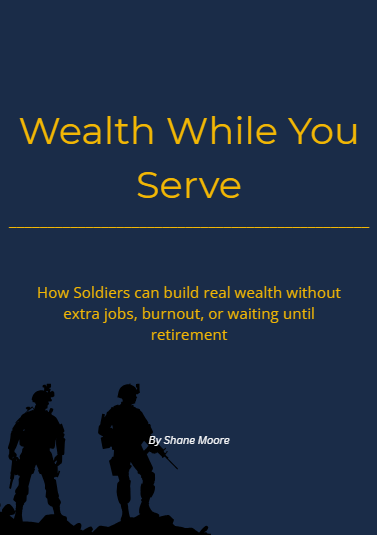
Ready to Start Building Wealth While You Serve?
Grab the free guide built for service members who want more than just survival mode. Whether you're in the barracks or deployed overseas, this is your first step toward real freedom.
Helping Soldiers Build Real Wealth While They Serve
We share practical tools, smart financial strategies, and military-friendly resources. Our goal is to help you stop just surviving and start building real freedom.

The information provided by Wealth While You Serve is for educational purposes only and does not constitute financial, legal, or tax advice. Always consult a qualified advisor before making financial decisions. Some links on this site are affiliate links, which means we may earn a small commission at no extra cost to you. This helps us continue offering free resources for military members and their families.
Created with ©systeme.io