
Should You Buy or Rent Furniture While in the Barracks
Avoid turning temporary living into permanent financial mistakes

When you first get to the barracks, it’s easy to want your space to feel like your own. After training, having something that feels comfortable and personal sounds like a small reward. That’s usually when furniture decisions start to happen.
The problem is the barracks are not built for long-term living. And when you make long-term purchases in a short-term setup, you usually lose money without realizing it until later.
Disclosure:
This article is for educational purposes only and is not financial advice. Always do your own research or speak with a licensed advisor before making investment decisions.
Where Most Barracks Furniture Decisions Go Off Track
Comfort turns into spending. After basic and AIT, upgrading your space feels deserved, which makes spending easier than it should be. When something feels earned, discipline naturally drops a little. That small drop is enough to justify purchases you normally would not make. Over time, those decisions stack up. That is how a simple setup turns into unnecessary cost.
Temporary living feels permanent. When you first settle in, it feels like you will be there for a while, even if that is not actually the case. That mindset leads to bigger purchases because it feels like you are building something long term. The reality is your situation can change quickly. When it does, those purchases become problems. That disconnect is where money gets lost.
Convenience drives the decision. It is easier to buy something once and not think about it again, especially when you are busy. But convenience often ignores what happens later. Moving, selling, or storing furniture creates friction. That friction usually leads to losses or wasted money. What feels simple now can become complicated fast.
No plan means repeated spending. Without a clear approach, purchases happen one at a time without thinking about the full picture. Each item seems small on its own. But together, they add up quickly. That accumulation is what slows your financial progress. Small decisions compound just like good ones do.
A Smarter Way to Decide Between Buying and Renting
Start with your timeline. How long you expect to stay matters more than what you prefer. If your timeline is short or uncertain, flexibility becomes more valuable than ownership. If it is longer, buying might make sense in specific cases. But that only works if the timeline is realistic. Guessing leads to bad decisions.
Compare total cost, not monthly cost. Renting feels cheaper because it spreads out payments, but those payments add up. Buying feels more expensive upfront, but resale value matters. When you compare both fully, the answer becomes clearer. Looking at partial numbers creates misleading conclusions. Full cost thinking improves decisions.
Think about mobility first. The military requires you to move, sometimes with little notice. If your setup makes that harder, it is working against you. Lightweight, simple, and flexible setups reduce that risk. Reduced risk protects your money. That is what you want long term.
Track your setup decisions. Using tools from the 💰 Budgeting Apps Hub helps you see how much you are actually spending. Without tracking, it is easy to underestimate the total cost. Seeing the full number changes behavior. Better awareness leads to better control. Control protects your system.
Hidden Costs That Add Up Faster Than You Expect
Buying cheap furniture repeatedly. Lower-quality items feel like savings at first, but they often need to be replaced. Replacement creates repeated spending. Repeated spending increases total cost. That cycle slows your progress more than one solid purchase would.
Selling at a loss during moves. When it is time to PCS or change rooms, convenience takes over again. Selling quickly usually means accepting less money. That loss feels small, but it adds up over time. Multiple small losses create real impact.
Overbuilding your space early. Adding more than you need makes the setup harder to manage later. Extra items create extra decisions. More decisions increase friction. That friction leads to rushed choices when you move.
Mixing wants with needs. It is easy to justify upgrades when they improve comfort. But comfort upgrades often do not provide long-term value. Without clear boundaries, spending increases. Increased spending reduces your financial margin.
Why This Matters Long Term
Keeping expenses low early matters. The 56K Plan works because you protect your ability to save consistently in your first few years. When spending increases early, that consistency breaks down. Even small increases reduce your capacity to invest. Over time, that gap grows.
Avoiding waste protects compounding. The $3 Million Timeline depends on keeping your money working instead of losing it to repeated purchases and small mistakes. Every dollar that stays invested has time to grow. Every dollar lost has to be replaced. That difference becomes significant over time.
Simple decisions build discipline. Furniture is not just about your room. It is about how you approach money overall. When you make disciplined choices here, it carries into everything else. That consistency builds stronger systems.
Flexibility keeps you ahead. The military environment changes often. When your setup is simple and adaptable, you stay in control. Control reduces stress. Lower stress improves decision-making.
Simple ways to make better furniture decisions early
Start smaller than you think you need. This creates friction against overspending and gives you time to understand your situation. Starting small protects flexibility. Flexibility keeps your options open.
Choose items that are easy to move. This is a loss prevention approach that keeps future decisions simple. When moving is easy, you avoid rushed sales. Avoiding rushed sales protects your money.
Wait before upgrading. Giving yourself time improves clarity and reduces emotional spending. Most impulse decisions lose value quickly. Time filters those out.
Keep your setup aligned with your goals. This is an identity reinforcement strategy that keeps your actions consistent with what you are trying to build. When your environment matches your goals, decisions become easier.
Final Word
Furniture in the barracks feels like a small decision, but it is usually one of the first real financial choices you make on your own. The way you handle it sets the tone for how you approach money moving forward.
Most soldiers spend more than they need to because they try to make a temporary setup feel permanent. That works in the moment, but it usually leads to wasted money when things change.
If you stay focused on flexibility and long-term value, you avoid that completely. You keep your system simple, your money working, and your progress moving in the right direction.
Recommended Tools for Soldiers
🪙 High-Yield Savings Hub – Keep your money growing instead of tying it up in short-term purchases.
🧠 Credit Monitoring Hub – Stay aware of how your decisions impact your overall financial position.
More to explore:
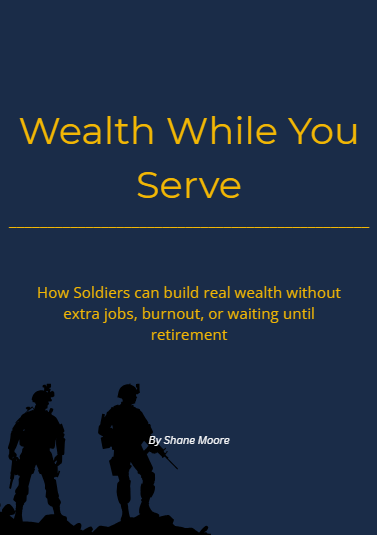
Ready to Start Building Wealth While You Serve?
Grab the free guide built for service members who want more than just survival mode. Whether you're in the barracks or deployed overseas, this is your first step toward real freedom.
Helping Soldiers Build Real Wealth While They Serve
We share practical tools, smart financial strategies, and military-friendly resources. Our goal is to help you stop just surviving and start building real freedom.

The information provided by Wealth While You Serve is for educational purposes only and does not constitute financial, legal, or tax advice. Always consult a qualified advisor before making financial decisions. Some links on this site are affiliate links, which means we may earn a small commission at no extra cost to you. This helps us continue offering free resources for military members and their families.
Created with ©systeme.io