
Should You Buy a Home Before Deploying
Make the right call before locking into a major financial decision

Buying a home before deployment can seem like a smart move.
You might be thinking about building equity, locking in a place for your family, or using your VA loan benefits.
But deployment changes your financial and personal situation in ways that can make this decision either a strong advantage or a long-term burden.
Disclosure:
This article is for educational purposes only and is not financial advice. Always do your own research or speak with a licensed advisor before making investment decisions.
Why Buying Before Deployment Can Backfire
You will not be there to manage the property. Deployment removes your ability to handle problems directly, which means you are relying on someone else to manage issues. That reliance introduces risk because small problems can turn into expensive ones if they are not handled quickly. Property management costs can also reduce your financial flexibility. Reduced flexibility makes it harder to adjust if something changes during deployment. This is where many soldiers underestimate the reality of ownership while away.
Your financial situation may shift during deployment. Even though deployment often increases income, your expenses and priorities can change. Unexpected costs, family needs, or emergencies can come up while you are gone. Those situations require flexibility, which a mortgage limits. Limited flexibility creates pressure if your situation shifts quickly. That pressure can lead to poor financial decisions later.
You may overestimate rental potential. Many soldiers plan to rent out the home during deployment, but that is not always as simple as it sounds. Vacancy periods, tenant issues, and maintenance costs can reduce or eliminate expected income. If the numbers are tight, even small disruptions can create losses. That risk increases when you are not physically present to manage it. how to manage rental property as a soldier during deployment
When Buying Before Deployment Can Make Sense
You have a strong financial buffer in place. Having savings reduces the pressure of unexpected costs while you are deployed. A buffer allows you to handle repairs, vacancies, or changes without stress. That stability improves your ability to hold the property long term. Long-term holding is what makes real estate more effective. Without a buffer, the same situation becomes risky.
You plan to keep the property long term. Buying only makes sense if you are thinking beyond the deployment window. Short-term thinking increases the chance of selling at the wrong time. Long-term ownership gives your investment time to recover and grow. That timeline matters more than short-term gains.
You understand how to use the 🏠 VA Loans Hub to evaluate loan structure, occupancy requirements, and long-term flexibility before committing to the purchase so you are not making a rushed decision based on timing alone Understanding the rules improves your decision-making. Better decisions reduce long-term risk.
Common Mistakes Soldiers Make With This Decision
Buying based on timing instead of readiness
Underestimating total ownership costs
Assuming rental income will cover everything
Not planning for worst-case scenarios
These mistakes are avoidable.
But only if you slow down and evaluate the full picture.
How This Decision Impacts Your Long-Term Wealth
The 56K Plan depends on early financial stability. Taking on too much risk early can disrupt your ability to save and invest consistently. A poorly timed home purchase can slow your progress instead of helping it. Stability matters more than ownership early on.
The $3 Million Timeline relies on consistent investing. If your money is tied up in a property that is not performing well, you lose flexibility to invest elsewhere. Lost flexibility slows long-term compounding. Compounding is what drives major results.
Smart decisions protect your momentum. Every financial decision should support your ability to keep moving forward. A home should add stability, not stress. That distinction is critical.
Flexibility is one of your biggest advantages early in your career. Keeping options open allows you to adjust as your situation changes. That flexibility becomes more valuable than ownership in many cases.
Practical steps that help you make the right decision before deployment
Delay the purchase if you are unsure. This is a decision-control strategy that protects you from committing too early. Waiting allows you to gather better information.
Run worst-case financial scenarios. This is a risk-management strategy that prepares you for unexpected outcomes. Preparation reduces stress.
Build a strong savings buffer first. This is a stability strategy that supports long-term ownership. Stability improves decision-making.
Focus on flexibility over ownership early. This is a prioritization strategy that keeps your options open. Flexibility protects your financial future.
Make sure the purchase supports your long-term plan instead of just solving a short-term situation so you stay aligned with your bigger financial goals. This is where many soldiers get off track.
Final Word
Buying a home before deployment is not automatically a good or bad decision, it depends entirely on your preparation and long-term plan. The biggest mistake soldiers make is rushing into ownership because of timing instead of making sure the numbers and situation actually support it.
If you approach this decision with a focus on flexibility, stability, and long-term thinking, you put yourself in a position to benefit from homeownership instead of being burdened by it. That means having a financial buffer, understanding the risks, and making sure the decision fits your overall strategy.
The goal is not just to own a home, it is to build a system that supports your growth while you serve.
Recommended Tools for Soldiers
📈 Investing Hub – Learn how to choose ETFs, build your portfolio, and stay consistent with your strategy.
🏦 Banks Hub – Set up automatic transfers and manage your cash flow to support consistent investing.
More to explore:
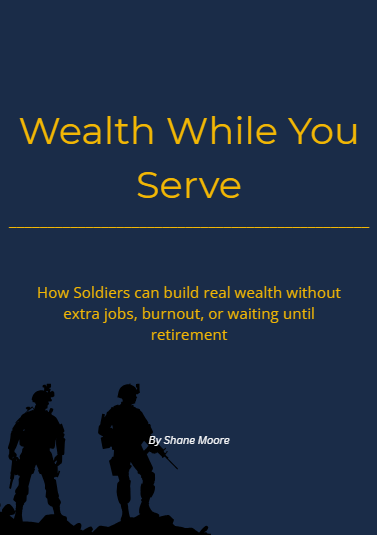
Ready to Start Building Wealth While You Serve?
Grab the free guide built for service members who want more than just survival mode. Whether you're in the barracks or deployed overseas, this is your first step toward real freedom.
Helping Soldiers Build Real Wealth While They Serve
We share practical tools, smart financial strategies, and military-friendly resources. Our goal is to help you stop just surviving and start building real freedom.

The information provided by Wealth While You Serve is for educational purposes only and does not constitute financial, legal, or tax advice. Always consult a qualified advisor before making financial decisions. Some links on this site are affiliate links, which means we may earn a small commission at no extra cost to you. This helps us continue offering free resources for military members and their families.
Created with ©systeme.io