
Building a Civilian Career Without Losing Momentum
Transitioning to civilian life can feel like starting over, but it doesn’t have to. The habits that built your military discipline are the same ones that can fast-track your civilian success, both professionally and financially. Momentum doesn’t end when you hang up the uniform; it just changes shape.

Disclosure:
This article is for educational purposes only and is not financial advice. Always do your own research or speak with a licensed advisor before making investment decisions.
Why Most Soldiers Lose Financial Momentum After Transition
Structure disappears and so does rhythm. In the Army, paydays, formations, and accountability are automatic. Civilian life removes those rails, and without structure, consistency breaks down. Soldiers who lose rhythm stop saving and delay investing, which derails compounding.
Paychecks feel different. Taxes, deductions, and health insurance costs hit harder in the civilian sector. If you don’t plan ahead, your take-home pay shrinks without warning. The solution is to anticipate that shift and continue budgeting through the 56K Plan lens, where consistency stays the focus.
The transition itself feels urgent. Many veterans rush into new jobs or relocate quickly. In the process, they make short-term financial decisions that slow long-term growth. Staying calm and intentional is how you keep building toward your 3 Million Timeline.
Keeping Financial Systems Running During the Shift
Automate everything before you leave. When your pay frequency changes, automation keeps savings stable. Soldiers who pre-set their civilian transfers continue their 56K Plan without disruption.
Set up new civilian accounts early. Don’t wait until after ETS to open a civilian checking and investing account. Smooth transitions eliminate lost weeks of compounding.
Monitor your spending tightly in the first 90 days. Civilian costs often surprise you, commuting, healthcare, taxes. Tracking early helps you adjust before it becomes a crisis.
Turning Civilian Life Into an Upgrade, Not a Reset
Treat every job like a stepping stone to freedom. The skills and pay you gain now accelerate compounding over the next decade.
Keep your 3 Million Timeline visible. Whether enlisted or veteran, the math still works. Compounding doesn’t stop when you change uniforms.
Remember your mission. The new environment doesn’t erase your old discipline, it tests it. Staying calm under change is what creates lifelong security.
Final Word
The end of service isn’t the end of structure, it’s the beginning of self-led freedom. The soldiers who treat transition like a mission step into civilian life with control, confidence, and compounding already in motion.
Recommended Tools for Soldiers
👉 Banking Hub – set up civilian checking and brokerage accounts before separation.
👉 Budgeting Apps Hub – adjust automatically to new pay cycles and spending patterns.
More to explore:
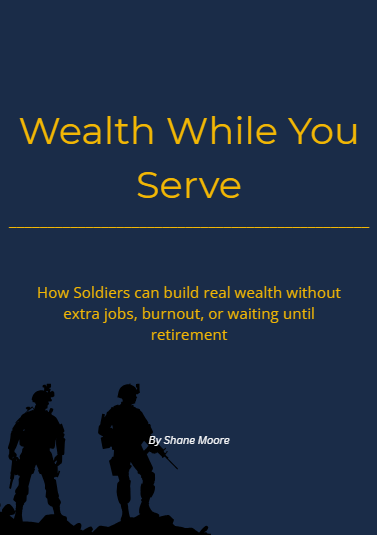
Ready to Start Building Wealth While You Serve?
Grab the free guide built for service members who want more than just survival mode. Whether you're in the barracks or deployed overseas, this is your first step toward real freedom.
Helping Soldiers Build Real Wealth While They Serve
We share practical tools, smart financial strategies, and military-friendly resources. Our goal is to help you stop just surviving and start building real freedom.

The information provided by Wealth While You Serve is for educational purposes only and does not constitute financial, legal, or tax advice. Always consult a qualified advisor before making financial decisions. Some links on this site are affiliate links, which means we may earn a small commission at no extra cost to you. This helps us continue offering free resources for military members and their families.
Created with ©systeme.io