
How to Budget for a New Duty Station in High Cost Areas
Stay in control even when everything around you costs more

Moving to a high cost duty station can feel like a pay cut, even when your income technically increases.
Rent is higher. Food costs more. Everyday spending adds up faster than expected.
If you do not adjust early, the pressure builds quickly. But if you plan ahead, you can stay stable and even use the situation to strengthen your system.
Disclosure:
This article is for educational purposes only and is not financial advice. Always do your own research or speak with a licensed advisor before making investment decisions.
Why High Cost Duty Stations Disrupt Most Budgets
Higher costs hit faster than expected. Even when you receive increased BAH, it rarely covers every expense comfortably. Prices in these areas are consistently higher across the board. That means your margin shrinks immediately. When your margin shrinks, your flexibility disappears. That loss of flexibility leads to reactive decisions instead of controlled ones.
Lifestyle creep becomes harder to notice. In higher cost areas, expensive becomes normal. That shift in perception changes your spending behavior without you realizing it. What once felt like a luxury starts to feel standard. That normalization increases your baseline spending. Higher baseline spending slows long-term progress.
Upfront costs stack quickly during the move. Deposits, utilities, furniture, and transportation costs all hit at once. Even prepared soldiers can feel the pressure during this phase. That early strain often leads to short-term decisions that carry long-term consequences. Getting through this phase clean matters more than most realize.
Comparison with others increases pressure. When surrounded by higher spending environments, it becomes easier to justify spending more. That comparison creates internal pressure to match others. Matching others rarely aligns with your long-term goals. That disconnect leads to financial drift.
How to Build a Budget That Holds Up in Expensive Areas
Anchor your budget to your base pay, not your full income. BAH and other allowances fluctuate based on location and circumstances. Building your system around base pay creates stability. Stability allows your budget to transfer across duty stations. That consistency reduces financial stress during transitions.
Define fixed and flexible expenses early. Knowing what must be paid versus what can be adjusted gives you control. Fixed expenses create your baseline. Flexible expenses create your opportunity to adapt. That distinction is what allows you to make quick adjustments when needed.
Set limits before you arrive, not after. Decisions made ahead of time are stronger than decisions made under pressure. When you wait until you arrive, emotions and urgency take over. That often leads to overspending. Pre-commitment keeps your decisions aligned with your plan.
Use tools from the 💰 Budgeting Apps Hub to map out your expected expenses before the move so you can identify pressure points early and adjust before they become problems Visibility improves control. Control improves outcomes. That is how you stay ahead.
Hidden Cost Traps That Catch Soldiers Off Guard
Underestimating daily cost increases
Choosing housing at the top of the BAH limit
Not accounting for transportation changes
Overcommitting during the first 90 days
These are not obvious mistakes.
But they are common.
How This Move Fits Into Your Long-Term Plan
Maintaining control protects your early progress. The 56K Plan depends on consistency during your first few years. A high cost duty station can slow that down if not managed correctly. Protecting your savings rate matters more than matching your surroundings. That discipline keeps your progress intact.
Adapting without overcorrecting keeps momentum. The $3 Million Timeline works through long-term consistency, not perfection. You do not need to eliminate all spending increases. You need to control them. That balance allows you to continue building while adjusting to your environment.
Your system should travel with you. Duty stations change. Your structure should not. A strong system adapts without breaking. That adaptability is what keeps you stable across different environments.
Short-term discipline creates long-term flexibility. The more controlled you are early, the more options you have later. That flexibility is where financial freedom starts to show up.
Practical ways to stay financially stable in expensive duty stations
Build a transition buffer before you PCS. This is a pre-positioning strategy that protects you from upfront costs. Having cash ready reduces stress and prevents reactive decisions. Preparation improves outcomes.
Choose housing below your maximum allowance. This is a margin protection strategy that keeps your budget flexible. Spending less than you can afford creates room for adjustments. That room is critical in high cost areas.
Delay non-essential purchases during your first 60–90 days. This is a friction control strategy that prevents early overspending. Giving yourself time to understand your environment improves decision-making. That patience reduces mistakes.
Store your emergency and transition funds in accounts from the 🪙 High-Yield Savings Hub so that your money stays accessible while still growing during the transition period Accessible cash reduces risk. Growth adds efficiency. That combination strengthens your position.
Final Word
A high cost duty station does not have to derail your finances, but it will test your system if you are not prepared.
Most soldiers react after the pressure hits. That is when mistakes happen.
If you plan early, keep your structure consistent, and stay disciplined during the transition, you can move into even the most expensive areas without losing control of your progress.
And that is what allows you to keep building while others feel like they are falling behind.
Recommended Tools for Soldiers
🏦 Banks Hub – Set up accounts that make managing money across duty stations simple and reliable.
🛡️ Insurance Hub – Protect your finances from unexpected costs that can hit harder in high cost areas.
More to explore:
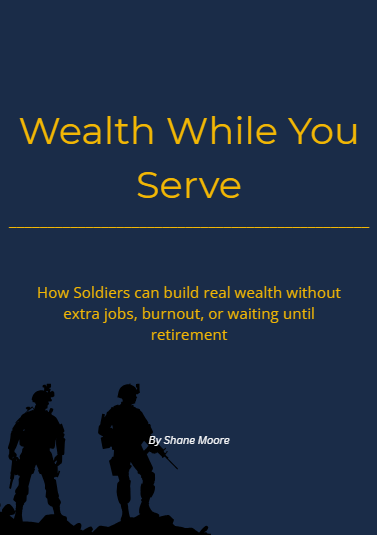
Ready to Start Building Wealth While You Serve?
Grab the free guide built for service members who want more than just survival mode. Whether you're in the barracks or deployed overseas, this is your first step toward real freedom.
Helping Soldiers Build Real Wealth While They Serve
We share practical tools, smart financial strategies, and military-friendly resources. Our goal is to help you stop just surviving and start building real freedom.

The information provided by Wealth While You Serve is for educational purposes only and does not constitute financial, legal, or tax advice. Always consult a qualified advisor before making financial decisions. Some links on this site are affiliate links, which means we may earn a small commission at no extra cost to you. This helps us continue offering free resources for military members and their families.
Created with ©systeme.io