
How to Use a Budget Binder While in the Barracks
The barracks are not just housing.

They are a financial advantage.
Most soldiers never treat them that way because low expenses feel permanent. When rent, utilities, and often meals are covered, it feels like there is breathing room. Breathing room without structure turns into spending. Spending without tracking turns into lost compounding.
A budget binder is not about paper.
It is about control.
Disclosure:
This article is for educational purposes only and is not financial advice. Always do your own research or speak with a licensed advisor before making investment decisions.
Why Barracks Living Demands Structure
Low expenses create hidden risk
Low fixed costs create a false sense of surplus. When you are not paying rent or utilities, it feels like you have more money than you actually do. That perception lowers urgency because nothing feels tight. Lower urgency weakens discipline. Weakened discipline slowly erodes investable capital that should be fueling the 56K Plan.
Impulse spending increases when friction disappears. Food delivery, new gear, weekend trips, and car upgrades feel manageable because baseline expenses are low. Small purchases do not feel dangerous in isolation. Repeated weekly, they drain margin quietly. Quiet drains delay long-term wealth growth.
Young soldiers often manage money reactively. Many junior service members are budgeting independently for the first time. Without a written system, decisions happen in the moment. Moment-based decisions rarely align with long-term investing goals.
The barracks window is temporary. Once you move off base, fixed expenses rise quickly. If you do not maximize this low-expense season intentionally, you lose your strongest compounding years. Lost early years require larger contributions later to catch up.
The barracks are leverage.
Leverage must be directed.
The Decision Framework for Using a Budget Binder
This is not about tracking dollars.
It is about directing them.
You assign every dollar before payday. A budget binder works best when income categories are written in advance because pre-allocation prevents emotional decisions. Emotional decisions lead to drift. Drift reduces investable capital.
You separate investing from discretionary money physically. When your savings and investing goals are written clearly inside the binder, they become visible commitments. Visibility increases accountability. Accountability strengthens consistency.
You review weekly instead of monthly. Monthly budgeting allows drift to accumulate because long gaps reduce awareness. Weekly review tightens control. Tight control protects margin.
You treat leftover money as capital, not convenience. If you underspend in a category, the difference should be moved intentionally into accounts from the 📈 Investing Hub. Captured surplus compounds. Uncaptured surplus disappears.
A binder creates healthy friction.
Healthy friction protects wealth.
Common Mistakes Soldiers Make With Budget Binders
The system only works if it stays active
They build the binder once and stop reviewing it. A binder without weekly engagement becomes decorative. Lack of engagement reduces awareness. Reduced awareness increases overspending. Overspending reduces investable margin.
They track bills but ignore investing goals. A true wealth-building binder should include savings targets, brokerage contributions, and emergency fund milestones because visible goals reinforce behavior. Reinforced behavior compounds positively over time.
They ignore small purchases. Energy drinks, subscriptions, and quick online purchases feel minor individually. Repeated weekly, they redirect early capital away from the 56K Plan. Early capital is the most powerful capital.
They let investing become optional. If investing is recorded after spending instead of before, it becomes inconsistent. Inconsistent investing stretches timelines. Stretched timelines delay freedom.
A binder does not create discipline.
It exposes whether discipline exists.
Why This Matters Long Term
Barracks discipline accelerates the 56K Plan. During your first enlistment, low expenses create rare margin. If that margin is written, tracked, and deployed into investments, it compounds aggressively. Early compounding multiplies because time is the most valuable asset.
Structured budgeting supports the $3 Million Timeline. Long-term wealth requires consistent capital deployment. If early years are spent casually instead of strategically, exponential growth slows. Slower growth requires more effort later to reach freedom.
Written systems reinforce financial identity. When you see progress documented weekly, behavior strengthens because identity aligns with action. Identity-driven discipline compounds across decisions. Compounded discipline defines long-term outcomes.
The barracks are not restrictive.
They are accelerators.
Practical ways to make a budget binder powerful
Pre-commit to a fixed investing percentage. Decide in advance that a set percentage of every paycheck moves into investing before discretionary spending occurs because pre-commitment removes emotional drift. Written allocation prevents negotiation with yourself later.
Add friction to discretionary categories. Track discretionary spending manually or use cash envelopes so purchases require conscious recording. The extra step slows impulse behavior. Slower impulses protect margin.
Create visual milestone trackers. Include charts for emergency funds and brokerage balances because visible progress reinforces discipline. Reinforced discipline strengthens consistency. Consistency fuels compounding.
Conduct a 15-minute Sunday audit. Review spending weekly, compare against plan, and adjust because short review cycles prevent drift. Drift prevented early is easier than correction later.
Move surplus immediately. If you underspend, transfer the difference into a 🪙 High-Yield Savings account so it earns interest instead of sitting idle. Idle money gets spent. Deployed money grows.
This is not about paper.
It is about margin capture.
Final Word
The barracks are your lowest-expense season.
Most soldiers waste it because they rely on memory instead of systems.
A budget binder forces clarity. Clarity builds discipline. Discipline builds capital. Capital compounds into freedom.
Capture the margin now.
You do not get these years back.
Build wealth while you serve.
Recommended Tools for Soldiers
📈 Investing Hub – Platforms that help you deploy early capital consistently during your barracks years.
🪙 High-Yield Savings Hub – Store emergency funds and surplus where they earn meaningful interest instead of sitting idle.
More to explore:
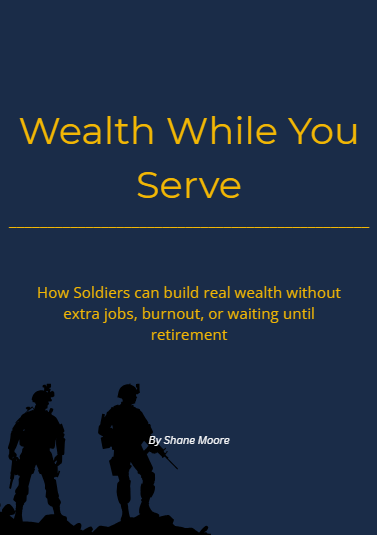
Ready to Start Building Wealth While You Serve?
Grab the free guide built for service members who want more than just survival mode. Whether you're in the barracks or deployed overseas, this is your first step toward real freedom.
Helping Soldiers Build Real Wealth While They Serve
We share practical tools, smart financial strategies, and military-friendly resources. Our goal is to help you stop just surviving and start building real freedom.

The information provided by Wealth While You Serve is for educational purposes only and does not constitute financial, legal, or tax advice. Always consult a qualified advisor before making financial decisions. Some links on this site are affiliate links, which means we may earn a small commission at no extra cost to you. This helps us continue offering free resources for military members and their families.
Created with ©systeme.io