
Should You Invest in Bonds While Still Serving
Safety matters, but so does growth

A lot of soldiers eventually start hearing the same investing advice.
“Put some money into bonds.”
On the surface, it sounds responsible. Lower risk. More stability. Less volatility.
But while serving, the question is not just whether bonds are safe. The real question is whether they actually fit your stage of life and long-term goals.
Disclosure:
This article is for educational purposes only and is not financial advice. Always do your own research or speak with a licensed advisor before making investment decisions.
Why Bonds Appeal to Soldiers in the First Place
Bonds feel safer than stocks. That’s the main draw. Their value usually moves less aggressively, which makes them feel more stable during market swings. And emotionally, stability feels good when the rest of military life already feels unpredictable. That’s why people default to them quickly.
The income feels predictable and controlled. Regular interest payments sound reliable compared to watching the stock market move around every day. Predictability lowers stress. Lower stress helps people stay invested longer. But stability also comes with trade-offs. Most soldiers don’t think about that part enough.
A lot of traditional financial advice pushes bonds heavily. Especially once people start talking about “balanced portfolios.” The problem is that generalized advice usually ignores age, income structure, and military benefits. Those details matter more than most people realize.
Bonds seem like a safer place to park money short term. And sometimes they are. But soldiers often move too heavily into safety too early, which is why using the 📈 Investing Hub early helps you understand how growth, risk, and long-term compounding actually work together instead of defaulting to conservative investing too soon.
When Bonds Actually Make Sense While Serving
You are building short-term stability reserves. This matters because money needed within the next few years should not always be exposed to heavy market swings. Which means bonds can help stabilize part of your system during shorter timelines.
You are closer to transition or retirement. The closer you get to needing the money, the more stability starts to matter. That’s where bonds become more useful. Earlier in your career, growth usually matters more.
You struggle emotionally during market drops. Some soldiers panic when investments fall. That panic leads to bad decisions. Bonds can reduce volatility enough to help people stay invested consistently. And consistency matters more than perfection.
You already have strong growth investments in place. Bonds make more sense as part of a balanced system. Not as the entire strategy. That’s where people overcorrect.
When Bonds Can Quietly Slow Your Progress
You move too much money into bonds too early. This happens constantly. Soldiers start prioritizing safety before they’ve built enough growth momentum. Lower growth compounds too. Just in the wrong direction.
You underestimate inflation over long periods. Bonds may feel stable, but inflation quietly reduces purchasing power over time. That’s the part most people miss. Stability does not always mean progress.
You sacrifice long-term compounding for short-term comfort. This matters because early investing years are the most valuable growth years. Which means being overly conservative too early can significantly reduce future outcomes.
You build your system around avoiding risk instead of managing it. Avoiding all volatility sounds smart emotionally. Financially, it can create slower long-term growth than expected. And the gap gets wider over decades. How to invest in ETFs while in the Army becomes much more important once you realize growth usually drives the majority of long-term wealth building while serving.
The Hidden Role Bonds Can Still Play
Bonds can create stability inside a larger investing system. That’s their real strength. They are usually most effective when supporting growth investments, not replacing them entirely.
They can help protect money needed in the near future. Shorter timelines change investing decisions. That’s where bonds fit better.
They reduce emotional investing mistakes for some people. Lower volatility can help soldiers stay disciplined during downturns. Discipline matters long term.
They become more useful later in life. The role of bonds changes as your timeline changes. Early career investing and late-career investing are not the same thing.
How This Fits Into Your Long-Term Wealth Plan
The 56K Plan depends more on growth than heavy stability early on. Early investing years matter most because compounding needs time. Too much conservatism slows that process.
The $3 Million Timeline depends heavily on long-term growth investments. Bonds can support the system, but they usually should not dominate it while serving.
Your system should balance growth and stability based on your stage of life. Early career soldiers usually need more growth. Later stages often need more protection.
Risk management matters, but so does opportunity cost. Playing too safe has a cost too. Most people forget that.
Practical ways to approach bonds while serving
Use bonds strategically instead of emotionally. This keeps your decisions tied to your timeline instead of market fear. That difference matters.
Keep your long-term growth investments as the foundation early on. Growth usually matters more while you still have time working for you.
Adjust your balance over time instead of staying static forever. Your system should evolve as your situation changes. Static systems drift.
Focus on consistency more than perfect allocation percentages. Consistent investing matters more than obsessing over tiny adjustments early.
Treat bonds as one tool inside your investing system instead of the entire strategy so your portfolio keeps growing while still maintaining stability where you actually need it.
Final Word
Bonds are not bad investments, but they are often misunderstood by younger soldiers who move toward safety too early without realizing how much long-term growth they may be sacrificing in the process.
If you use bonds strategically, keep growth investments as the core of your system, and adjust your allocation as your timeline changes, bonds can play a useful role without slowing your overall progress. That balance matters.
The soldiers who build real wealth do not avoid risk completely. They learn how to manage it, stay consistent through market swings, and build systems designed for long-term growth while they are still serving.
Recommended Tools for Soldiers
🪙 High-Yield Savings Hub – Build stable reserves while keeping money accessible.
💳 Credit Cards Hub – Manage spending efficiently so more money stays available for investing.
More to explore:
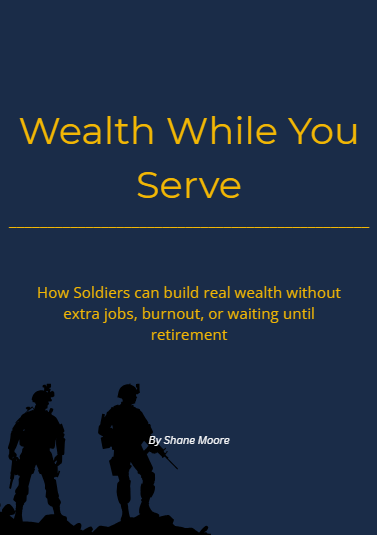
Ready to Start Building Wealth While You Serve?
Grab the free guide built for service members who want more than just survival mode. Whether you're in the barracks or deployed overseas, this is your first step toward real freedom.
Helping Soldiers Build Real Wealth While They Serve
We share practical tools, smart financial strategies, and military-friendly resources. Our goal is to help you stop just surviving and start building real freedom.

The information provided by Wealth While You Serve is for educational purposes only and does not constitute financial, legal, or tax advice. Always consult a qualified advisor before making financial decisions. Some links on this site are affiliate links, which means we may earn a small commission at no extra cost to you. This helps us continue offering free resources for military members and their families.
Created with ©systeme.io