
Best Insurance for Reservists With Families
Build protection that actually works between civilian and military life

Insurance is one of the most important and most misunderstood parts of a reservist’s financial system.
You are balancing civilian employment, part-time military service, and family responsibilities at the same time.
That overlap creates gaps that active duty soldiers often do not deal with in the same way.
Disclosure:
This article is for educational purposes only and is not financial advice. Always do your own research or speak with a licensed advisor before making investment decisions.
Why Insurance Is More Complicated for Reservists
You are managing two different systems at once. Civilian insurance and military coverage do not always align perfectly, which can create confusion about what is actually covered. That confusion leads to gaps if you assume one system is covering something the other is not. Gaps in coverage can become expensive quickly. Understanding both systems is critical to avoiding overlap or exposure. This is where many reservists run into problems early.
Coverage can change depending on your status. Your insurance situation may shift between drill status, active orders, or deployment. Each status can affect eligibility, cost, and coverage details. That variability makes it harder to build a stable plan. Without a stable plan, your family is exposed to unnecessary risk. Planning for these transitions is essential.
Your family depends on consistent protection. Unlike single soldiers, reservists with families have additional responsibilities. Health coverage, life insurance, and income protection all play a role. Missing any one of these areas creates vulnerability. That vulnerability increases stress and financial risk. A complete system matters.
Gaps often appear during transitions. Moving between civilian and military roles can create temporary lapses in coverage if not planned correctly. Even short gaps can lead to major expenses if something unexpected happens. Avoiding these gaps requires coordination and awareness. How to choose the right insurance as a military family
The Most Important Types of Insurance to Prioritize
Health insurance that covers your full situation. Whether through TRICARE Reserve Select or a civilian employer plan, you need coverage that works consistently for your family. Evaluating cost versus coverage is key. Lower cost does not always mean better protection. Strong coverage reduces financial risk. That stability supports your overall system.
Life insurance that protects your family long term. Military coverage may not always be enough depending on your situation. Additional life insurance can provide security beyond your service. That protection ensures your family is covered no matter what happens. Long-term protection matters more than short-term savings.
Disability or income protection coverage. Your ability to earn income is one of your most valuable assets. If that income is disrupted, your financial system is affected immediately. Disability coverage helps protect against that risk. Protection of income equals protection of your entire plan.
Use the 🧠 Credit Monitoring Hub to stay aware of your financial profile so your insurance options, rates, and approvals remain as strong as possible across both civilian and military systems Awareness improves positioning. Better positioning leads to better options.
Common Insurance Mistakes Reservists Make
Assuming military coverage handles everything
Not coordinating civilian and military policies
Choosing the cheapest option instead of the best coverage
Letting coverage lapse during transitions
These mistakes are common.
But they can create long-term financial damage.
How Insurance Supports Your Long-Term Financial Plan
The 56K Plan depends on stability early. Unexpected expenses from poor coverage can disrupt your ability to save and invest. Stability allows your system to function consistently. Without it, progress slows.
The $3 Million Timeline depends on long-term consistency. Insurance protects your ability to stay invested over time. Without protection, a single event can set you back significantly. Avoiding setbacks is just as important as making progress.
Protection reduces financial stress. When your system is secure, you make better decisions. Better decisions improve outcomes. Improved outcomes build momentum.
Coverage supports your family’s future. Financial protection is not just about today. It is about ensuring long-term stability for your family. That long-term view matters.
Practical habits that strengthen your insurance strategy
Review your coverage every time your status changes. This is a transition-control strategy that ensures you stay protected. Regular reviews prevent gaps.
Compare options across both systems. This is a decision strategy that improves your overall coverage. Better comparisons lead to better choices.
Prioritize coverage over cost when necessary. This is a risk-management strategy that protects your long-term financial position. Protection reduces exposure.
Keep your policies simple and easy to manage. This is a sustainability strategy that prevents confusion. Simplicity improves consistency.
Build a system that ensures your family is always protected regardless of your military status so you do not have to constantly react to changes in coverage or eligibility. This is where many reservists struggle early.
Final Word
Insurance for reservists is not about having the most policies, it is about having the right coverage that works across both your civilian and military life. The complexity comes from managing two systems, which means your plan needs to be intentional.
If you take the time to understand your coverage, fill the gaps, and adjust as your situation changes, you create a system that protects your family without adding unnecessary stress. That stability is what allows the rest of your financial plan to function.
Over time, strong protection ensures that one unexpected event does not undo the progress you have worked hard to build while you serve.
Recommended Tools for Soldiers
🛡️ Insurance Hub – Compare coverage options and build a complete protection plan for your family.
🪙 High-Yield Savings Hub – Build an emergency fund to support your insurance strategy and cover unexpected costs.
More to explore:
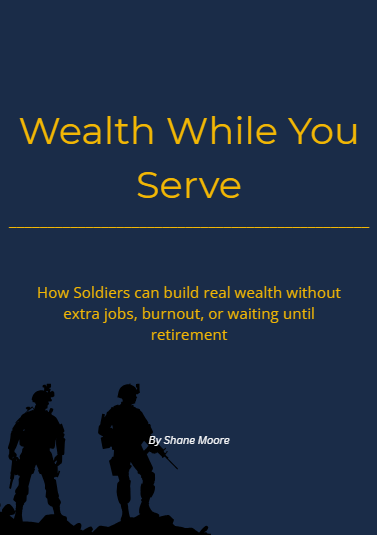
Ready to Start Building Wealth While You Serve?
Grab the free guide built for service members who want more than just survival mode. Whether you're in the barracks or deployed overseas, this is your first step toward real freedom.
Helping Soldiers Build Real Wealth While They Serve
We share practical tools, smart financial strategies, and military-friendly resources. Our goal is to help you stop just surviving and start building real freedom.

The information provided by Wealth While You Serve is for educational purposes only and does not constitute financial, legal, or tax advice. Always consult a qualified advisor before making financial decisions. Some links on this site are affiliate links, which means we may earn a small commission at no extra cost to you. This helps us continue offering free resources for military members and their families.
Created with ©systeme.io