
Why Boredom Leads to Overspending in the Barracks
Unstructured time in the barracks often leads to financial decisions driven by impulse instead of intention.

Disclosure:
This article is for educational purposes only and is not financial advice. Always do your own research or speak with a licensed advisor before making investment decisions.
Why Boredom Turns Into Spending
The barracks create long stretches of downtime. Without structured activities, your brain looks for stimulation. Spending becomes an easy way to fill the gap. It gives you something to do and something to look forward to. This habit forms quickly because it offers quick comfort.
Boredom increases emotional decision-making. When your mind is idle, small impulses feel more powerful. You become more likely to make purchases that you would avoid during a busy day. This turns boredom into a costly habit that slowly drains your budget.
The barracks amplify comparison. When bored soldiers gather, conversations often revolve around new purchases, upgrades, or weekend plans. These discussions tempt you into thinking you need something new. Comparison becomes spending pressure.
Boredom creates the illusion of needing a reward. When nothing is happening, your brain searches for excitement. Buying something feels like a reward for a day that otherwise feels empty. This emotional reward reinforces the habit.
Unstructured time leads to repetitive behaviors. Overspending becomes a routine because it fills time consistently. This cycle is hard to break once it becomes normal.
How Overspending Becomes the Default in the Barracks
Barracks culture encourages small impulse purchases. Soldiers often go out for food, drinks, or random shopping trips simply because nothing else is happening. These small outings become the default way to stay occupied. Over time, they create a spending loop that is hard to break.
Group influence increases spending pressure. When everyone else buys something, you feel obligated to participate. The fear of missing out makes it easier to justify purchases. This creates a group habit where spending becomes a shared activity.
Overspending replaces purpose. Without clear goals, soldiers use spending to create temporary excitement. This makes financial discipline harder. Purpose becomes overshadowed by immediate comfort.
Boredom magnifies emotional vulnerability. When you feel disengaged or unmotivated, spending becomes a quick way to feel good. These emotional spikes reinforce the habit. They make the cycle stronger.
Small purchases build into larger patterns. What starts as a snack or random item often evolves into larger spending decisions. These patterns become routine and difficult to reverse without intention.
How to Break the Boredom-Spending Cycle
Fill time with purposeful activities. When you replace boredom with structure, spending loses its grip. Even small routines like gym time, studying, or learning a skill create momentum. Purpose reduces impulse. Consistency strengthens discipline.
Set clear financial goals that guide your choices. When you know exactly what you want, spending becomes less reflexive. Goals create clarity and direction. This makes discipline easier to maintain. Every dollar begins to feel like a step toward something meaningful.
Use automatic systems that limit how much money sits in checking. When your savings and investments move automatically, less money is available for impulse purchases. Automation protects your progress. This single habit strengthens long-term discipline and supports the 56K Plan.
Reduce your exposure to group spending triggers. You do not have to participate in every outing. Choosing intentionally instead of reactively builds confidence. The less time you spend around high-spending groups, the easier discipline becomes.
Track your spending patterns honestly. Awareness removes confusion and highlights the real issue. When you see your spending clearly, motivation to change grows. Awareness creates control and direction.
How to Stay Disciplined When Boredom Hits
Create a list of zero-cost activities. When boredom strikes, having alternatives ready helps you avoid impulse purchases. Activities like working out, reading, cleaning your room, or planning future goals offer structure without costing money. These routines protect your budget and your mindset.
Build routines that fill empty time. Predictable habits reduce opportunities for impulse spending. When your schedule is structured, boredom has less room to shape your decisions. You shift from reacting to planning. This creates emotional stability and financial structure.
Focus on your long-term identity. When you see yourself as someone who builds wealth, your habits shift. Identity drives discipline. This shift makes long-term goals like the 3 Million Timeline feel realistic instead of distant.
Reward yourself with progress, not purchases. Track milestones and build pride through achievement instead of spending. This creates a positive loop that strengthens discipline. Progress becomes your new reward and reinforces your long-term vision.
Keep your goals visible. When your goals stay in front of you, impulse spending loses power. Purpose beats boredom and gives your time more meaning. Long-term clarity replaces short-term urges.
Final Word
Boredom in the barracks can quietly shape your financial habits, leading to impulse spending that drains your long-term progress. When you understand the psychology behind these choices, you gain the power to change them. Purpose, structure, and automatic systems protect your future and guide your money in the right direction. With consistent habits, both the 56K Plan and the 3 Million Timeline become achievable paths, even in an environment full of distractions. Freedom grows when your habits stay aligned with your goals.
Recommended Tools for Soldiers
💰 Budgeting Apps Hub – track spending clearly and stay aware of patterns that boredom creates.
🧠 Credit Monitoring Hub – maintain financial awareness and build discipline by watching your progress over time.
More to explore:
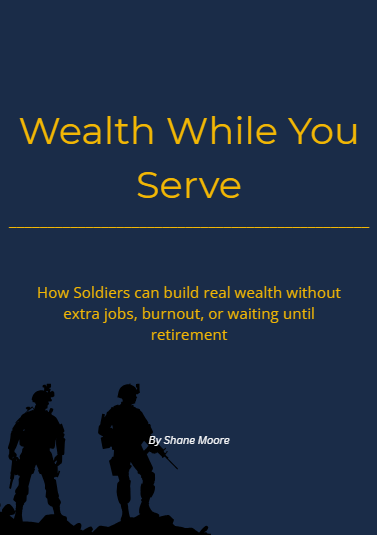
Ready to Start Building Wealth While You Serve?
Grab the free guide built for service members who want more than just survival mode. Whether you're in the barracks or deployed overseas, this is your first step toward real freedom.
Helping Soldiers Build Real Wealth While They Serve
We share practical tools, smart financial strategies, and military-friendly resources. Our goal is to help you stop just surviving and start building real freedom.

The information provided by Wealth While You Serve is for educational purposes only and does not constitute financial, legal, or tax advice. Always consult a qualified advisor before making financial decisions. Some links on this site are affiliate links, which means we may earn a small commission at no extra cost to you. This helps us continue offering free resources for military members and their families.
Created with ©systeme.io