
The Smart Way to Balance Short-Term and Long-Term Investing
Balance prevents panic and protects progress

Disclosure:
This article is for educational purposes only and is not financial advice. Always do your own research or speak with a licensed advisor before making investment decisions.
Why Soldiers Struggle to Balance Short- and Long-Term Investing
Short-term needs feel more urgent than long-term goals. Soldiers live in an environment where surprises are common. PCS moves, deployments, and family changes demand liquidity. Because short-term needs are visible and immediate, they often overpower long-term investing goals. When urgency wins repeatedly, long-term plans quietly stall. Balance is lost not by one decision, but by many small ones.
Many soldiers assume it has to be one or the other. Investing advice is often framed as extremes. Either everything is locked away for decades or everything stays liquid. This false choice creates unnecessary anxiety. Soldiers delay investing because they fear losing access. That delay costs time, not safety.
Lack of structure turns flexibility into indecision. Without defined buckets, money drifts. Drift leads to reactive decisions. Reactive decisions usually favor short-term comfort over long-term growth. Structure is what allows both priorities to coexist.
Emotional stress increases when money feels inaccessible. Soldiers who invest aggressively without buffers feel trapped during emergencies. That feeling leads to panic selling. Panic breaks compounding. Balanced systems prevent emotional exits.
How Smart Soldiers Create Balance Without Slowing Growth
Balance starts by assigning money a clear job. Some money exists for near-term stability. Some money exists for long-term growth. When each dollar has a role, conflict disappears. Clarity reduces emotional decision-making. Calm systems last longer.
This approach strengthens the 56K Plan instead of competing with it. Early wealth building requires consistency, not rigidity. Short-term buffers protect the plan during disruptions. Protection allows investing to stay untouched. Untouched investments compound faster.
Liquidity reduces the temptation to interrupt long-term investments. When emergencies are covered elsewhere, long-term assets are left alone. That separation preserves compounding. Compounding thrives on time, not activity.
Balance allows discipline to survive busy seasons. Soldiers do not always have time to think about money. Systems must work during chaos. Balanced structures reduce the need for constant decisions. Fewer decisions mean fewer mistakes.
Why Balanced Investing Builds Real Freedom
Balance keeps the $3 Million Timeline intact. Long-term growth requires uninterrupted compounding. Short-term planning protects that uninterrupted path. Protection is part of discipline.
Flexibility reduces stress and improves confidence. Knowing money is available when needed creates peace of mind. Peace of mind improves follow-through. Calm investors make better long-term decisions.
Balanced systems survive career transitions. Promotions, separations, and family changes do not break well-structured plans. Survivability matters more than optimization. Plans that survive win.
Freedom grows when systems absorb shocks instead of breaking. Stability is a form of wealth. Wealth that cannot handle stress is fragile. Balance creates resilience.
Practical habits that maintain balance
Separate short-term funds from long-term investments. Clear separation prevents emotional crossover.
Define time horizons before allocating money. Time determines strategy.
Resist using long-term investments for short-term problems. Protection preserves compounding.
Review balance annually, not reactively. Scheduled reviews prevent panic.
Final Word
Balancing short-term and long-term investing is not about splitting money evenly. It is about protecting your long-term plan from short-term disruptions. Soldiers who build balance early avoid panic, preserve compounding, and stay consistent through unpredictable seasons. Flexibility does not weaken discipline when it is structured correctly. The smartest plans grow quietly while remaining resilient. That balance is what allows real freedom to develop while you serve.
Recommended Tools for Soldiers
💰 Budgeting Apps Hub – Clearly assign money to short-term and long-term roles.
🪙 High-Yield Savings Hub – Keep liquidity available without sacrificing growth discipline.
More to explore:
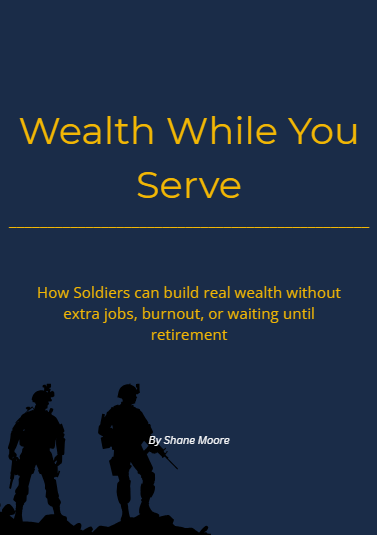
Ready to Start Building Wealth While You Serve?
Grab the free guide built for service members who want more than just survival mode. Whether you're in the barracks or deployed overseas, this is your first step toward real freedom.
Helping Soldiers Build Real Wealth While They Serve
We share practical tools, smart financial strategies, and military-friendly resources. Our goal is to help you stop just surviving and start building real freedom.

The information provided by Wealth While You Serve is for educational purposes only and does not constitute financial, legal, or tax advice. Always consult a qualified advisor before making financial decisions. Some links on this site are affiliate links, which means we may earn a small commission at no extra cost to you. This helps us continue offering free resources for military members and their families.
Created with ©systeme.io